
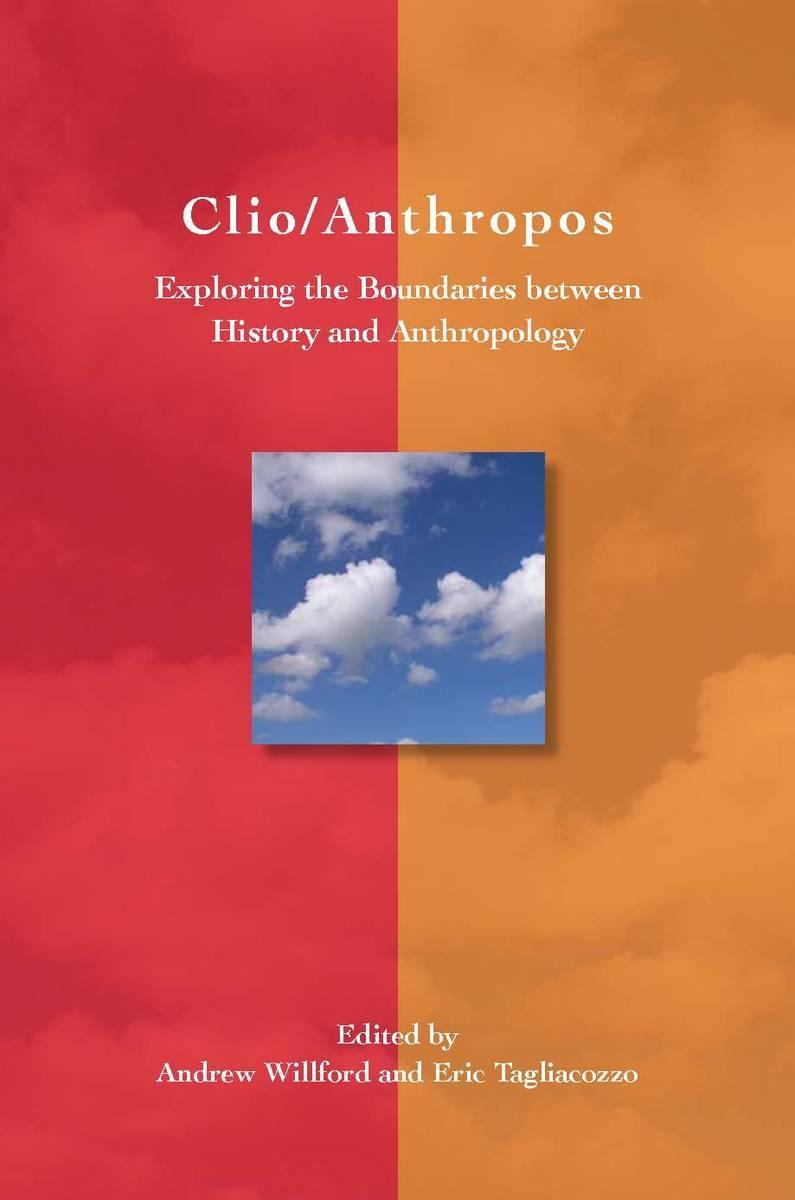
The intersection between history and anthropology is more varied now than it has ever been—a look at the shelves of bookstores and libraries proves this. Historians have increasingly looked to the methodologies of anthropologists to explain inequalities of power, problems of voicelessness, and conceptions of social change from an inside perspective. And ethnologists have increasingly relied on longitudinal visions of their subjects, inquiries framed by the lens of history rather than purely structuralist, culturalist, or functionalist visions of behavior.
The contributors have dealt with the problems and possibilities of the blurring of these boundaries in different and exciting ways. They provide further fodder for a cross-disciplinary experiment that is already well under way, describing peoples and their cultures in a world where boundaries are evermore fluid but where we all are alarmingly attached to the cataloguing and marking of national, ethnic, racial, and religious differences.
Betaal eenvoudig met kaart, Klarna, Apple Pay of Google Pay. Niet tevreden? Je hebt altijd 14 dagen bedenktijd. Lees meer in onze voorwaarden. Heb je vragen, mail ons dan via hello@memmo.org.
Memmo maakt studeren makkelijker – waar je ook bent ter wereld. Wij brengen je cursusboeken en slimme studietools samen op één plek: samenvattingen, quizzen, podcasts en flashcards. En Ted, je studievriend die antwoord geeft op alles wat je je afvraagt. Meer dan 50.000 studenten studeren hier al – gebouwd om je sneller te laten leren en minder stress te geven.