
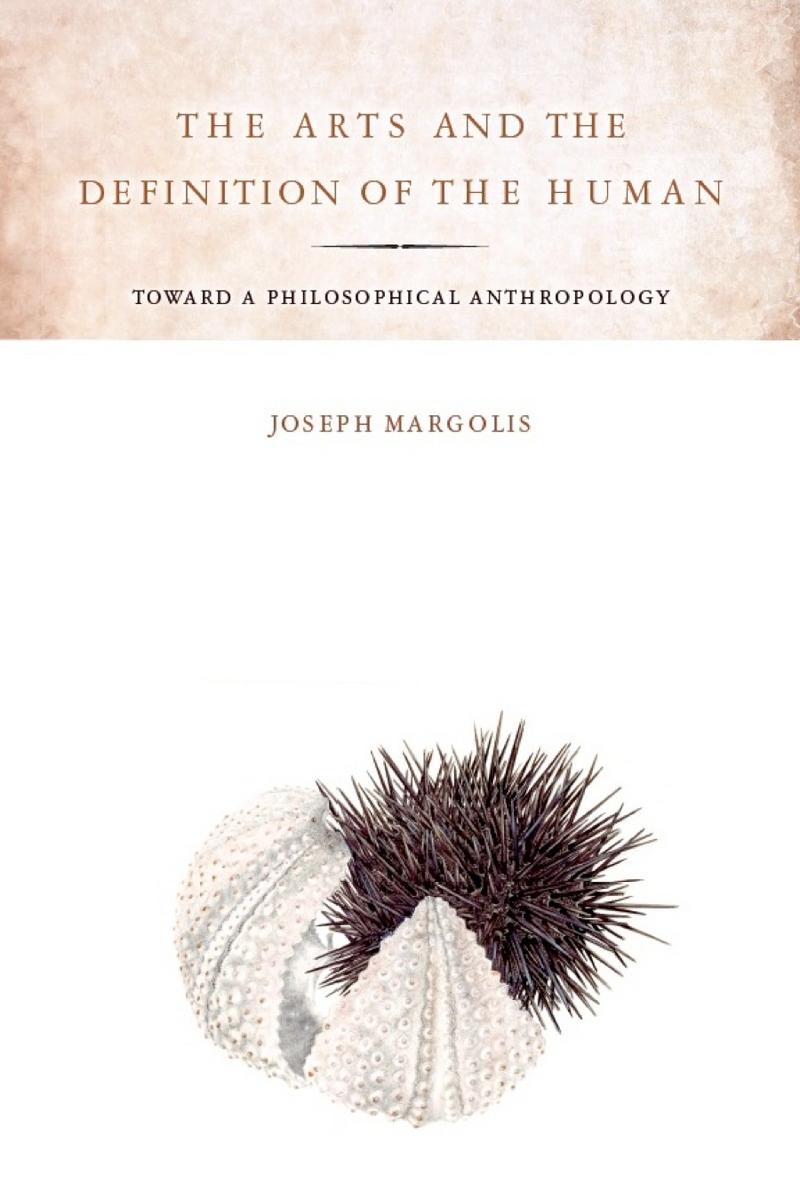
The Arts and the Definition of the Human introduces a novel theory that our selves—our thoughts, perceptions, creativity, and other qualities that make us human—are determined by our place in history, and more particularly by our culture and language. Margolis rejects the idea that any concepts or truths remain fixed and objective through the flow of history and reveals that this theory of the human being (or "philosophical anthropology") as culturally determined and changing is necessary to make sense of art. He shows that a painting, sculpture, or poem cannot have a single correct interpretation because our creation and perception of art will always be mitigated by our historical and cultural contexts. Calling upon philosophers ranging from Parmenides and Plato to Kant, Hegel, and Wittgenstein, art historians from Damisch to Elkins, artists from Van Eyck to Michelangelo to Wordsworth to Duchamp, Margolis creates a philosophy of art interwoven with his philosophical anthropology which pointedly challenges prevailing views of the fine arts and the nature of personhood.
Betaal eenvoudig met kaart, Klarna, Apple Pay of Google Pay. Niet tevreden? Je hebt altijd 14 dagen bedenktijd. Lees meer in onze voorwaarden. Heb je vragen, mail ons dan via hello@memmo.org.
Memmo maakt studeren makkelijker – waar je ook bent ter wereld. Wij brengen je cursusboeken en slimme studietools samen op één plek: samenvattingen, quizzen, podcasts en flashcards. En Ted, je studievriend die antwoord geeft op alles wat je je afvraagt. Meer dan 50.000 studenten studeren hier al – gebouwd om je sneller te laten leren en minder stress te geven.