
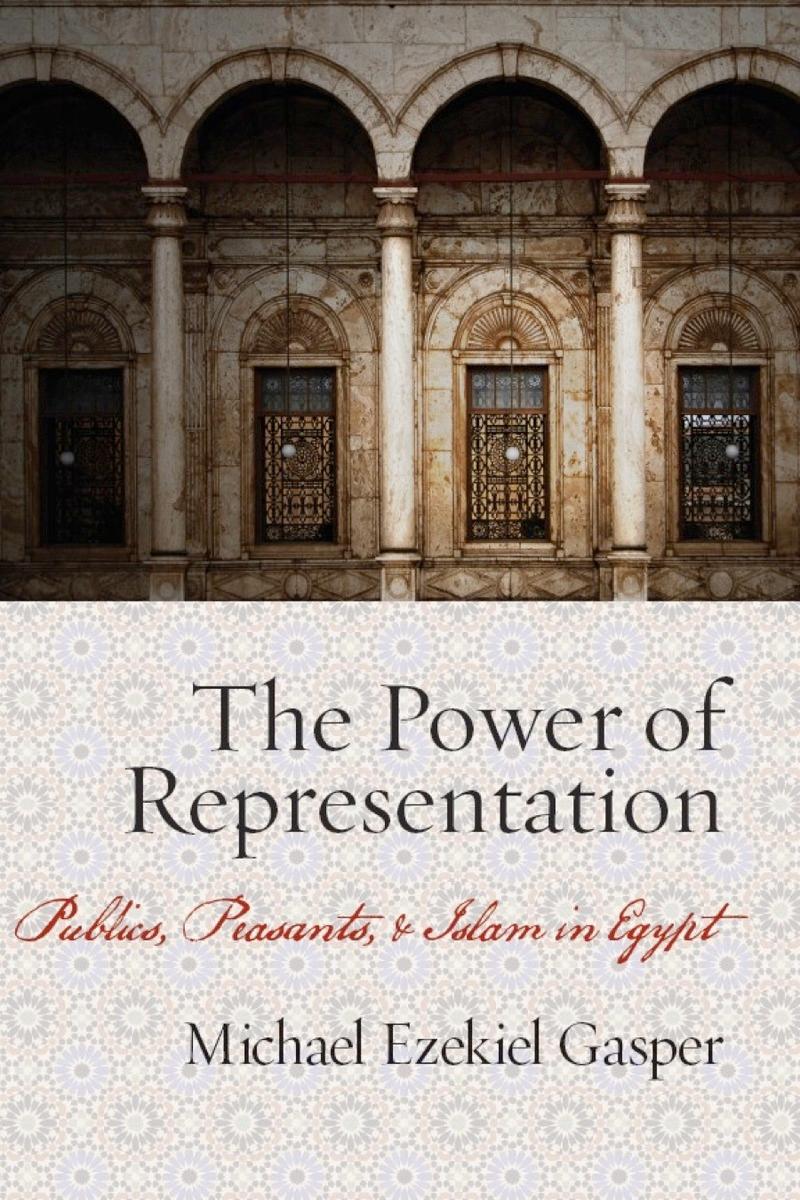
The Power of Representation traces the emergence of modern Egyptian national identity from the mid-1870s through the 1910s. During this period, a new class of Egyptian urban intellectuals—teachers, lawyers, engineers, clerks, accountants, and journalists—came into prominence. Adapting modern ideas of individual moral autonomy and universal citizenship, this group reconfigured religiously informed notions of the self and created a national sense of "Egyptian-ness" drawn from ideas about Egypt's large peasant population.
The book breaks new ground by calling into question the notion, common in historiography of the modern Middle East and the Muslim world in general, that in the nineteenth century "secular" aptitudes and areas of competency were somehow separate from "religious" ones. Instead, by tying the burgeoning Islamic modernist movement to the process of identity formation and its attendant political questions Michael Gasper shows how religion became integral to modern Egyptian political, social, and cultural life.
Betaal eenvoudig met kaart, Klarna, Apple Pay of Google Pay. Niet tevreden? Je hebt altijd 14 dagen bedenktijd. Lees meer in onze voorwaarden. Heb je vragen, mail ons dan via hello@memmo.org.
Memmo maakt studeren makkelijker – waar je ook bent ter wereld. Wij brengen je cursusboeken en slimme studietools samen op één plek: samenvattingen, quizzen, podcasts en flashcards. En Ted, je studievriend die antwoord geeft op alles wat je je afvraagt. Meer dan 50.000 studenten studeren hier al – gebouwd om je sneller te laten leren en minder stress te geven.