
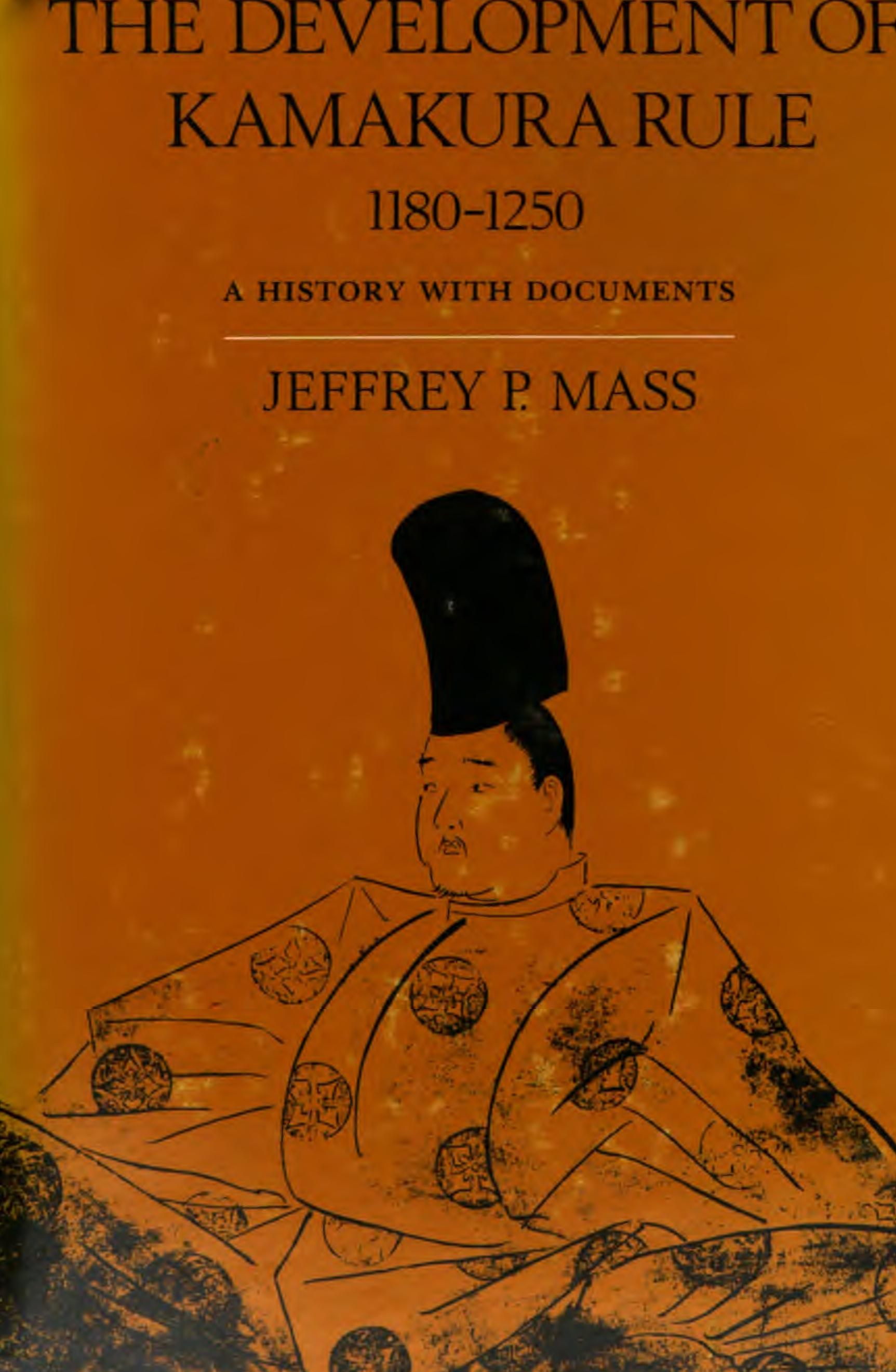
An examination of a formative period in medieval Japanese history, this study analyzes the origins and consequences of the Jōkyū War of 1221, a struggle of modest military proportions but of major political and legal importance. In defeating the traditional Court at Kyoto, the warrior government at Kamakura became the dominant national power; it subsequently created a highly efficient administration that gave Japan a century of social and political stability.
Crucial to the success of Kamakura rule was the development of a system of justice that has long been recognized as one of Japan's outstanding achievements. The author studies this system in detail, describing the forms and techniques for arbitrating disputes and showing exactly how suits were brought, expedited, and resolved.
The book includes annotated translations of 144 documents, a selection from the materials on which the book is based. These documents illuminate the changing power relationships after the Jōkyū War and the developing stages of the judicial process.
Betaal eenvoudig met kaart, Klarna, Apple Pay of Google Pay. Niet tevreden? Je hebt altijd 14 dagen bedenktijd. Lees meer in onze voorwaarden. Heb je vragen, mail ons dan via hello@memmo.org.
Memmo maakt studeren makkelijker – waar je ook bent ter wereld. Wij brengen je cursusboeken en slimme studietools samen op één plek: samenvattingen, quizzen, podcasts en flashcards. En Ted, je studievriend die antwoord geeft op alles wat je je afvraagt. Meer dan 50.000 studenten studeren hier al – gebouwd om je sneller te laten leren en minder stress te geven.
Misschien vind je dit ook leuk
Koop het boek0