
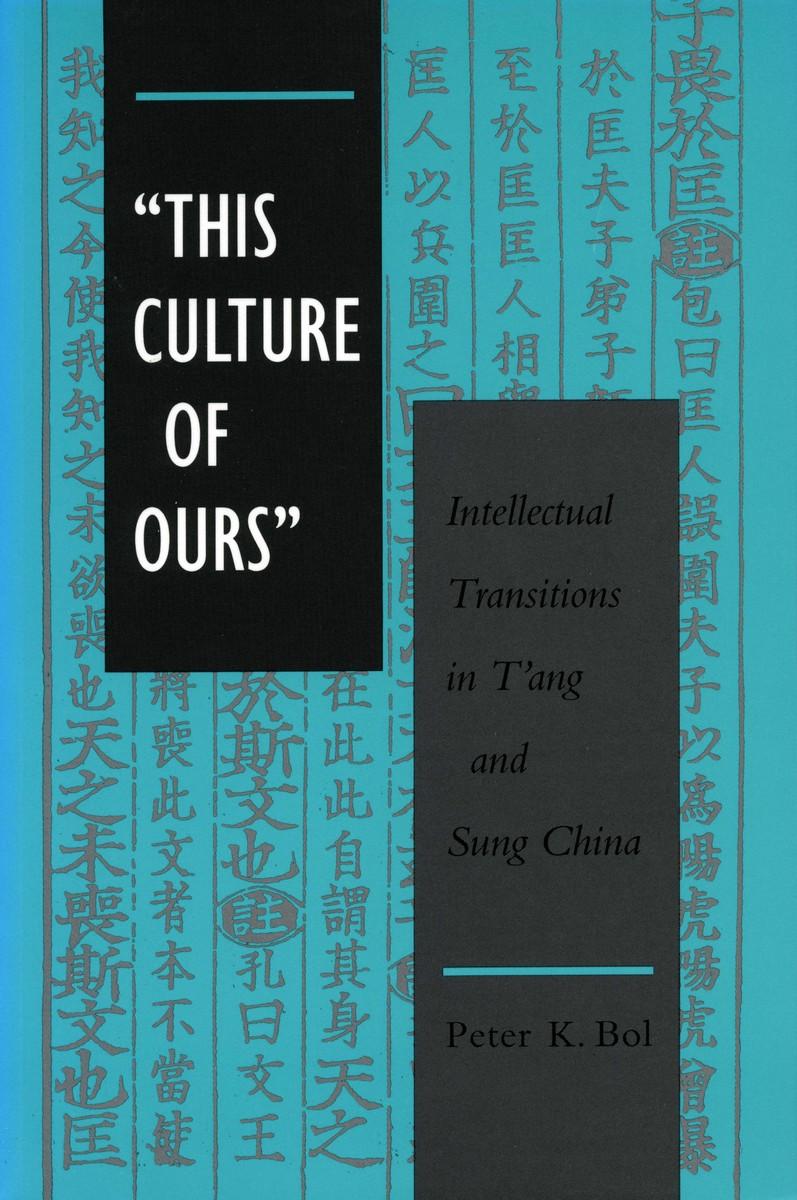
This book traces the shared culture of the Chinese elite from the seventh to the twelfth centuries. The early T'ang definition of 'This Culture of Ours' combined literary and scholarly traditions from the previous five centuries. The late Sung Neo-Confucian movement challenged that definition. The author argues that the Tang-Sung transition is best understood as a transition from a literary view of culture - in which literary accomplishment and mastery of traditional forms were regarded as essential - to the ethical orientation of Neo-Confucianism, in which the cultivation of one's innate moral ability was regarded as the goal of learning. The author shows that this transformation paralleled the collapse of the T'ang order and the restoration of a centralized empire under the Sung, underscoring the connection between elite formation and political institutions.
Betaal eenvoudig met kaart, Klarna, Apple Pay of Google Pay. Niet tevreden? Je hebt altijd 14 dagen bedenktijd. Lees meer in onze voorwaarden. Heb je vragen, mail ons dan via hello@memmo.org.
Memmo maakt studeren makkelijker – waar je ook bent ter wereld. Wij brengen je cursusboeken en slimme studietools samen op één plek: samenvattingen, quizzen, podcasts en flashcards. En Ted, je studievriend die antwoord geeft op alles wat je je afvraagt. Meer dan 50.000 studenten studeren hier al – gebouwd om je sneller te laten leren en minder stress te geven.