
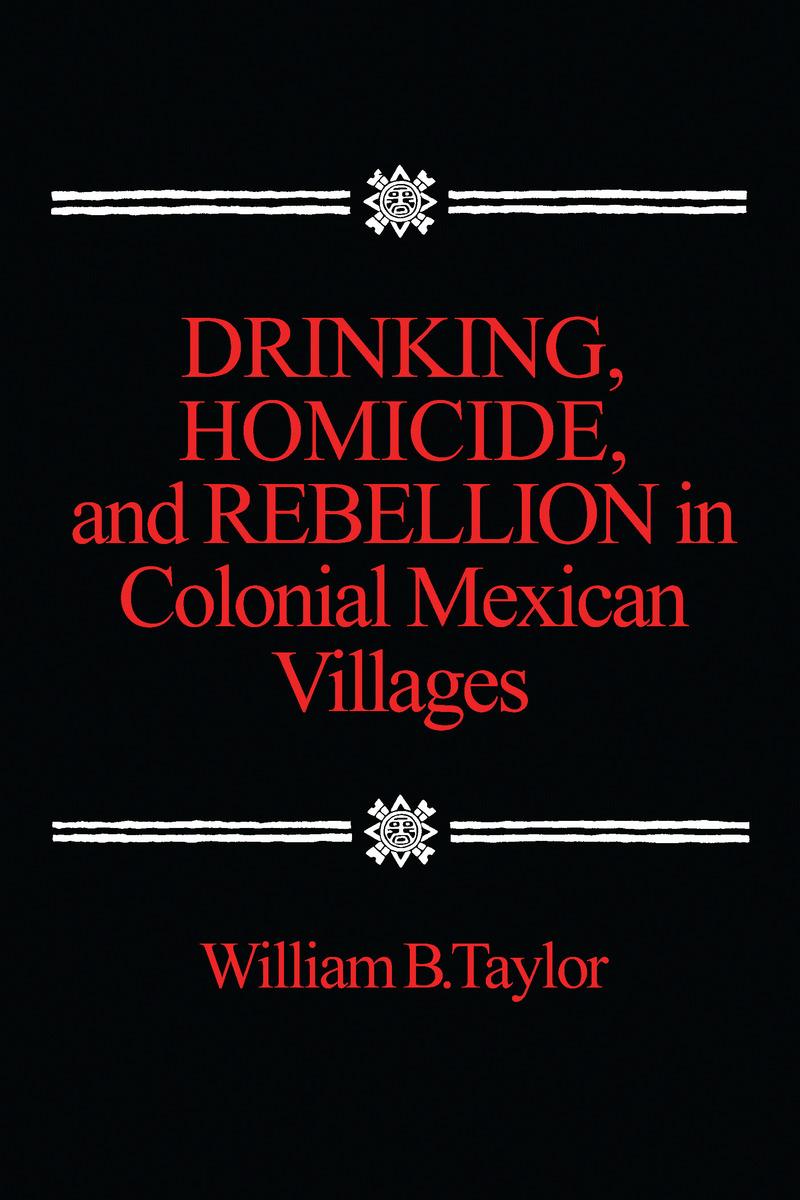
This study analyzes the impact of Spanish rule on Indian peasant identity in the late colonial period by investigating three areas of social behavior. Based on the criminal trial records and related documents from the regions of central Mexico and Oaxaca, it attempts to discover how peasants conceived of their role under Spanish rule, how they behaved under various kinds of street, and how they felt about their Spanish overlords.
In examining the character of village uprisings, typical relationships between killers and the people they killed, and the drinking patterns of the late colonial period, the author finds no warrant for the familiar picture of sullen depredation and despair. Landed peasants of colonial Mexico drank moderately on the whole, and mostly on ritual occasions; they killed for personal and not political reasons. Only when new Spanish encroachments threatened their lands and livelihoods did their grievances flare up in rebellion, and these occasions were numerous but brief. The author bolsters his conclusions with illuminating comparisons with other peasant societies.
Betaal eenvoudig met kaart, Klarna, Apple Pay of Google Pay. Niet tevreden? Je hebt altijd 14 dagen bedenktijd. Lees meer in onze voorwaarden. Heb je vragen, mail ons dan via hello@memmo.org.
Memmo maakt studeren makkelijker – waar je ook bent ter wereld. Wij brengen je cursusboeken en slimme studietools samen op één plek: samenvattingen, quizzen, podcasts en flashcards. En Ted, je studievriend die antwoord geeft op alles wat je je afvraagt. Meer dan 50.000 studenten studeren hier al – gebouwd om je sneller te laten leren en minder stress te geven.