
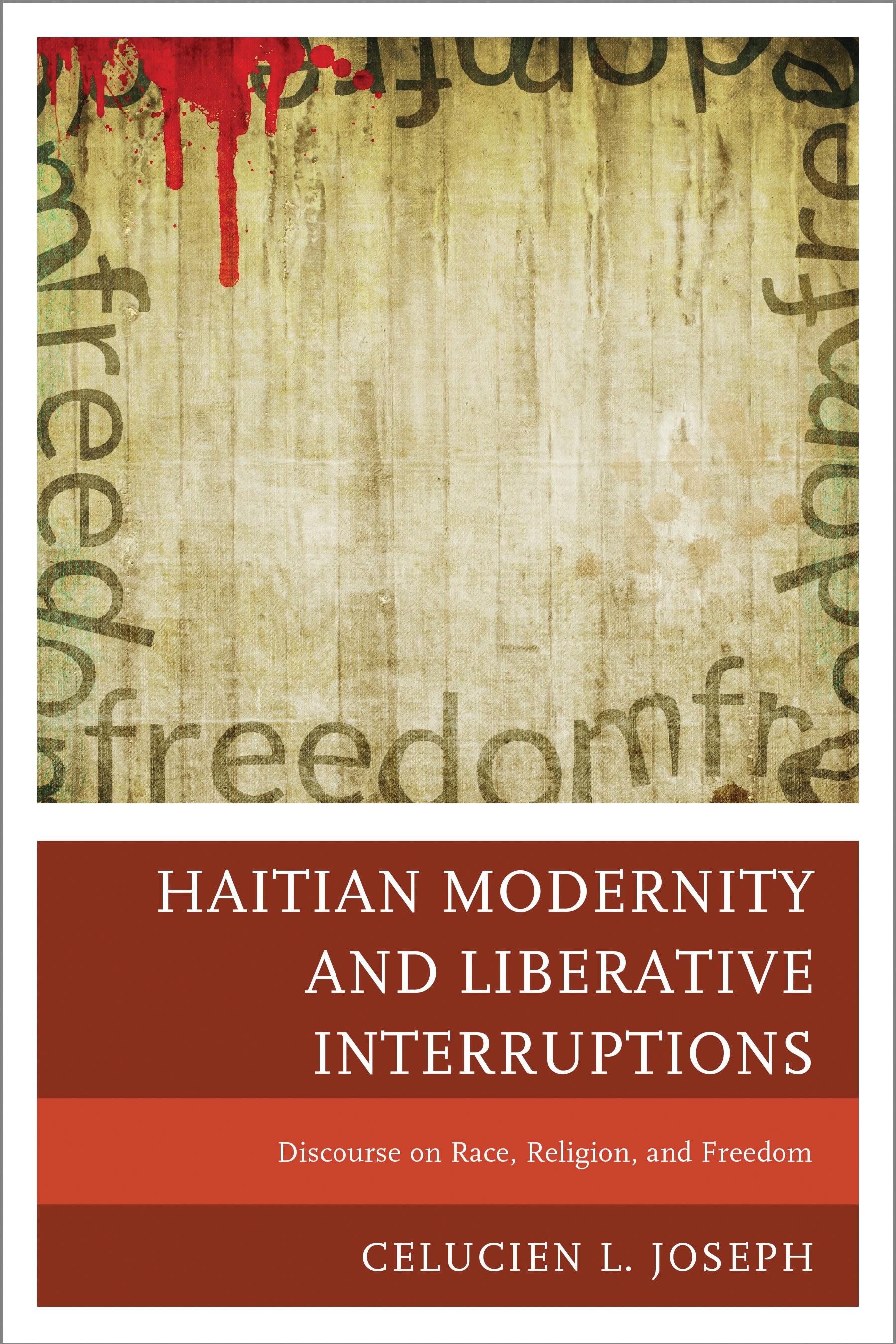
Haitian Modernity and Liberative Interruptions investigates the intersections of history, literature, race, religion, decolonization, and freedom that led to the founding of the postcolonial state of Haiti in 1804. Particular attention is given to the place of religion in the Haitian Revolution, as well as to the interpretation and representation of this singular event in the work of Frederick Douglass and Langston Hughes. This book not only examines the multiple legacies and the problems of Enlightenment modernity, imperial colonialism, Western racism, and hegemony, but also studies their complex relationships with the institutions of slavery, religion, and Black freedom. Topics range from Makandal’s postcolonial religious imagination to Boukman’s liberation theology to Langston Hughes’ discussion of the role of prophetic religion in the Haitian Revolution. Haitian Modernity and Liberative Interruptions also compares Du Bois’s theory of double consciousness with Fanon’s theory of decolonization and revolutionary humanism.
Betaal eenvoudig met kaart, Klarna, Apple Pay of Google Pay. Niet tevreden? Je hebt altijd 14 dagen bedenktijd. Lees meer in onze voorwaarden. Heb je vragen, mail ons dan via hello@memmo.org.
Memmo maakt studeren makkelijker – waar je ook bent ter wereld. Wij brengen je cursusboeken en slimme studietools samen op één plek: samenvattingen, quizzen, podcasts en flashcards. En Ted, je studievriend die antwoord geeft op alles wat je je afvraagt. Meer dan 50.000 studenten studeren hier al – gebouwd om je sneller te laten leren en minder stress te geven.