
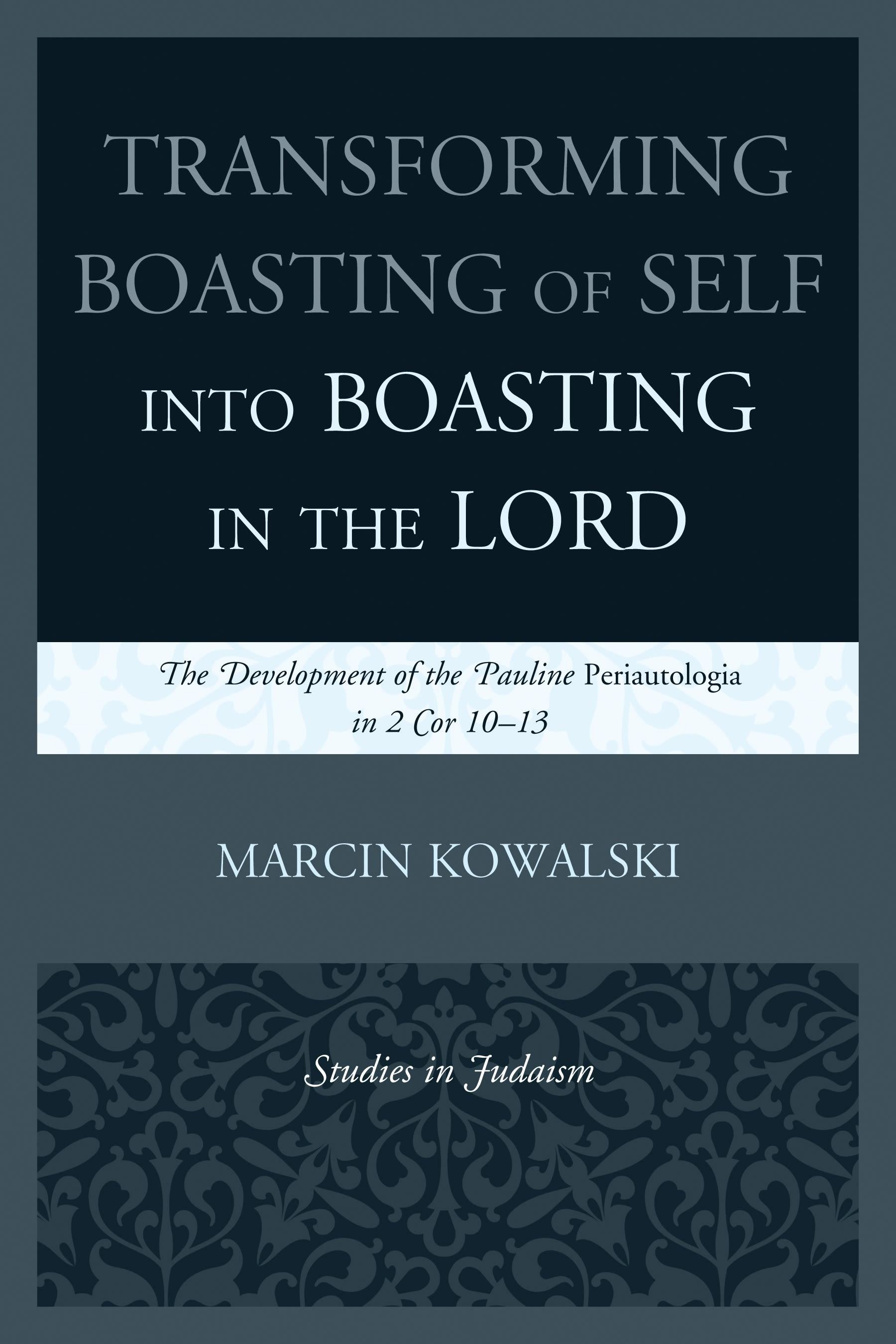
This book uses rhetorical analysis to illuminate one of the most fascinating and complicated speeches by Saint Paul: 2 Cor 10–13. The main problem of the speech regards Paul’s claim to be a true servant of Christ and to have the right to boast about it. Paul proves he is strong enough to be the leader of Corinth and paradoxically demonstrates that weakness should belong to the identity of an apostle. Another issue regards the legitimacy of his boasting. The egocentric boast based on the comparison with his opponents is the one that Paul calls foolish, but he is forced, nevertheless, to undertake it. The tool that ultimately enables him to transform self-aggrandizing speech into speech that is focused on Christ is his paradoxical boasting of weakness. The careful crafting of his discourse based on Christological principles ultimately speaks for qualifying it as a self-praise speech (periautologia) with a pedagogical, not defensive, purpose.
Betaal eenvoudig met kaart, Klarna, Apple Pay of Google Pay. Niet tevreden? Je hebt altijd 14 dagen bedenktijd. Lees meer in onze voorwaarden. Heb je vragen, mail ons dan via hello@memmo.org.
Memmo maakt studeren makkelijker – waar je ook bent ter wereld. Wij brengen je cursusboeken en slimme studietools samen op één plek: samenvattingen, quizzen, podcasts en flashcards. En Ted, je studievriend die antwoord geeft op alles wat je je afvraagt. Meer dan 50.000 studenten studeren hier al – gebouwd om je sneller te laten leren en minder stress te geven.