
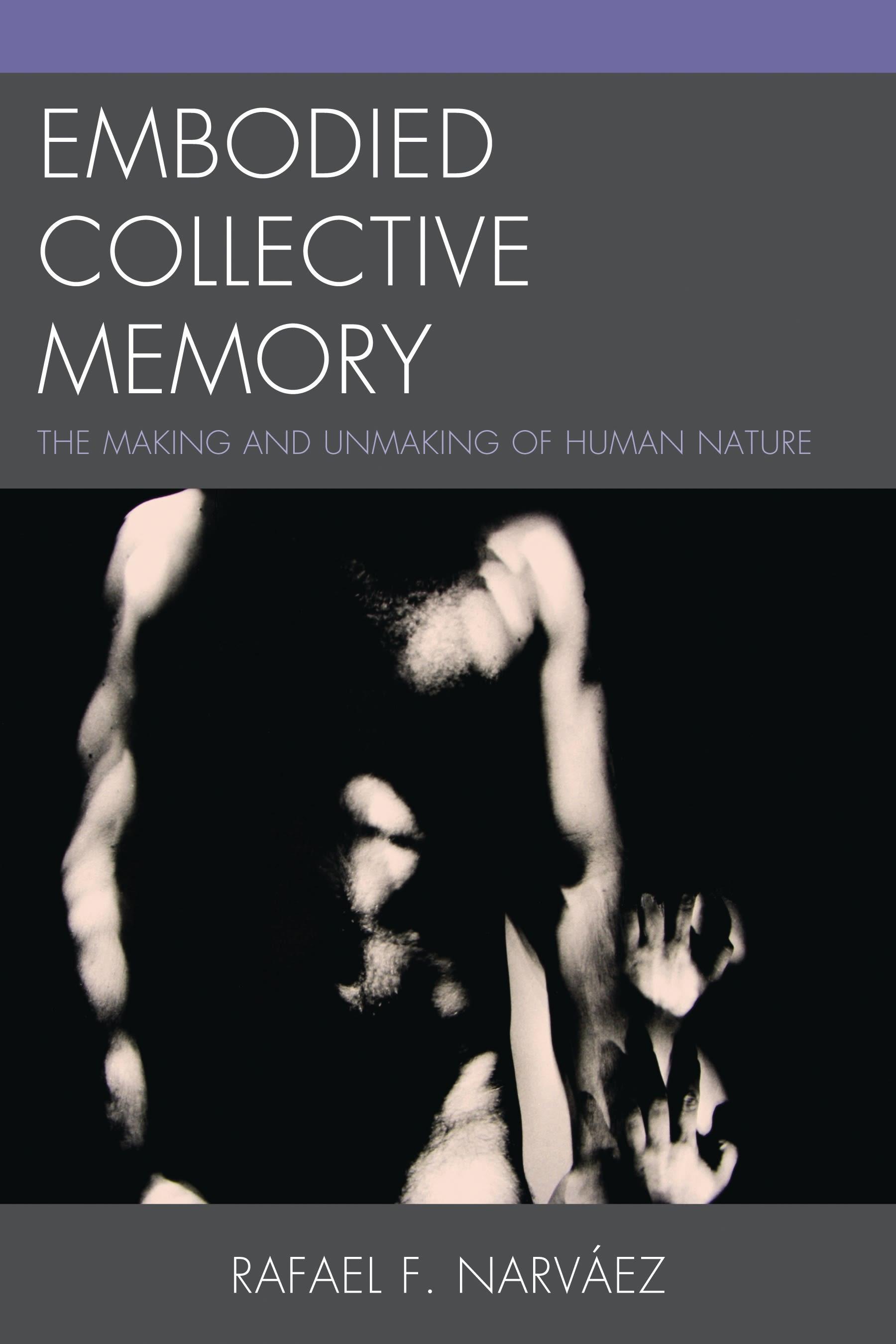
The human body is not a given fact; it is not, as Descartes believed, a “machine made up of flesh and bones.” The body is acquired, achieved, and learned. It is thus full of mimetic and mnemonic implications. The body remembers, and it does so in collectively relevant ways. Gestures, corporeal and phonetic rhythms, affective idioms, and emotional styles — perceptual, sensorial, motoric, and affective schemata — are all largely learned in shared social contexts.
These aspects of the embodied experience are often consigned to habit, to bodily automatisms, and to corporeal memories that reflect aspects of culture. But if the body reflects certain aspects of culture that press to become naturalized and organically attached to social actors, it also resists these kinds of cultural pressures. These adaptive and resistive dynamics, as this book shows, are not without consequences for individuals and groups. These processes can result in both advantages and disadvantages for social actors. They can take us toward certain futures while foreclosing others. It is therefore necessary to understand how, why, and to what extent corporeal memories are constructed but also resisted, modified, or created anew.
These aspects of the embodied experience are often consigned to habit, to bodily automatisms, and to corporeal memories that reflect aspects of culture. But if the body reflects certain aspects of culture that press to become naturalized and organically attached to social actors, it also resists these kinds of cultural pressures. These adaptive and resistive dynamics, as this book shows, are not without consequences for individuals and groups. These processes can result in both advantages and disadvantages for social actors. They can take us toward certain futures while foreclosing others. It is therefore necessary to understand how, why, and to what extent corporeal memories are constructed but also resisted, modified, or created anew.
Betaal eenvoudig met kaart, Klarna, Apple Pay of Google Pay. Niet tevreden? Je hebt altijd 14 dagen bedenktijd. Lees meer in onze voorwaarden. Heb je vragen, mail ons dan via hello@memmo.org.
Memmo maakt studeren makkelijker – waar je ook bent ter wereld. Wij brengen je cursusboeken en slimme studietools samen op één plek: samenvattingen, quizzen, podcasts en flashcards. En Ted, je studievriend die antwoord geeft op alles wat je je afvraagt. Meer dan 50.000 studenten studeren hier al – gebouwd om je sneller te laten leren en minder stress te geven.