
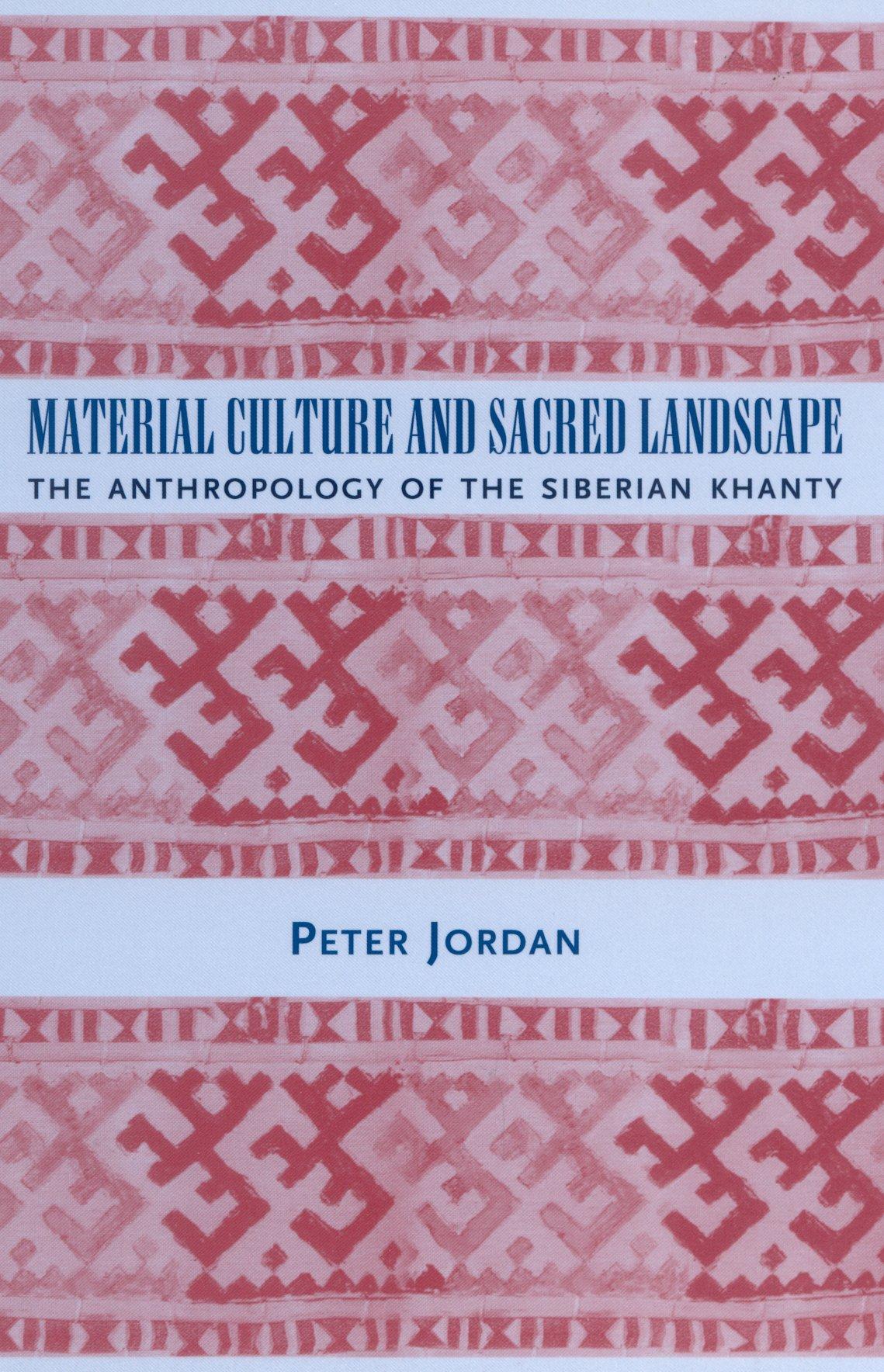
This study provides a concrete example of how foraging societies enculturate and transform the natural environment and, through the use of material objects, create sacred spaces and sites. Using ethnographic and ethnohistorical information about the Khanty of Siberia, Jordan shows the shortcomings of both interpretive and materialist anthropological theorizing about hunters and gatherers. He focuses on the rich and complex relationship between the symbolism of the Khanty, their material culture, and the bringing of meaning to physical places. His examination looks at the topic in both historical and contemporary contexts, and in scales from the core-periphery model of Russian colonialism to the portrait of a single yurt community. Jordan's work will be of importance to those studying cultural anthropology, archaeology, and comparative religion.
Betaal eenvoudig met kaart, Klarna, Apple Pay of Google Pay. Niet tevreden? Je hebt altijd 14 dagen bedenktijd. Lees meer in onze voorwaarden. Heb je vragen, mail ons dan via hello@memmo.org.
Memmo maakt studeren makkelijker – waar je ook bent ter wereld. Wij brengen je cursusboeken en slimme studietools samen op één plek: samenvattingen, quizzen, podcasts en flashcards. En Ted, je studievriend die antwoord geeft op alles wat je je afvraagt. Meer dan 50.000 studenten studeren hier al – gebouwd om je sneller te laten leren en minder stress te geven.