
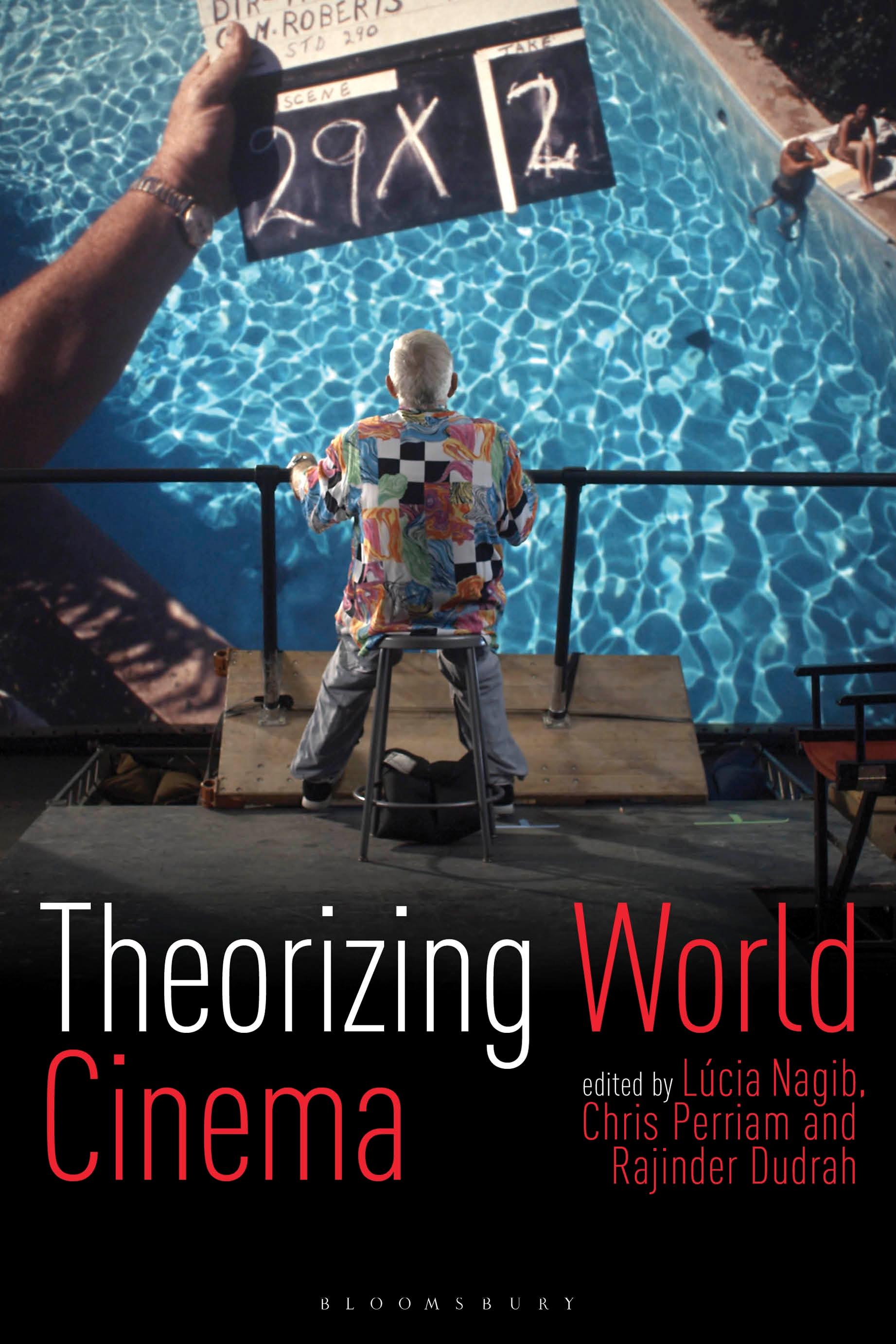
This innovative book is about the place of world cinema in the cultural imaginary. It also repositions world cinema in a wider discursive space than is usually the case and treats it as an object of theoretical enquiry, rather than as a commercial label. The editors and distinguished group of contributors offer a range of approaches and case studies whose organizing principle is the developing idea of polycentrism as applied to cinema. They refine and redefine key concepts in film studies, including identification and identity, narrative and realism, allegory and the national project, auteurism and the popular, art and genre. They re-evaluate how cinema shapes and responds to the philosophical, cultural and political effects of transnationalism and cosmopolitanism in the age of the moving image, and explore the interconnectedness of films produced worldwide, as well as the links between cinema and other visual cultural forms. The contributors include: John Caughie, Felicia Chan, Tiago de Luca, Rajinder Dudrah, Song Hwee Lim, Laura Mulvey, Lucia Nagib, Geoffrey Nowell-Smith, Chris Perriam, Ashish Rajadhyaksha, Paul Julian Smith, and Ismail Xavier.
Betaal eenvoudig met kaart, Klarna, Apple Pay of Google Pay. Niet tevreden? Je hebt altijd 14 dagen bedenktijd. Lees meer in onze voorwaarden. Heb je vragen, mail ons dan via hello@memmo.org.
Memmo maakt studeren makkelijker – waar je ook bent ter wereld. Wij brengen je cursusboeken en slimme studietools samen op één plek: samenvattingen, quizzen, podcasts en flashcards. En Ted, je studievriend die antwoord geeft op alles wat je je afvraagt. Meer dan 50.000 studenten studeren hier al – gebouwd om je sneller te laten leren en minder stress te geven.