
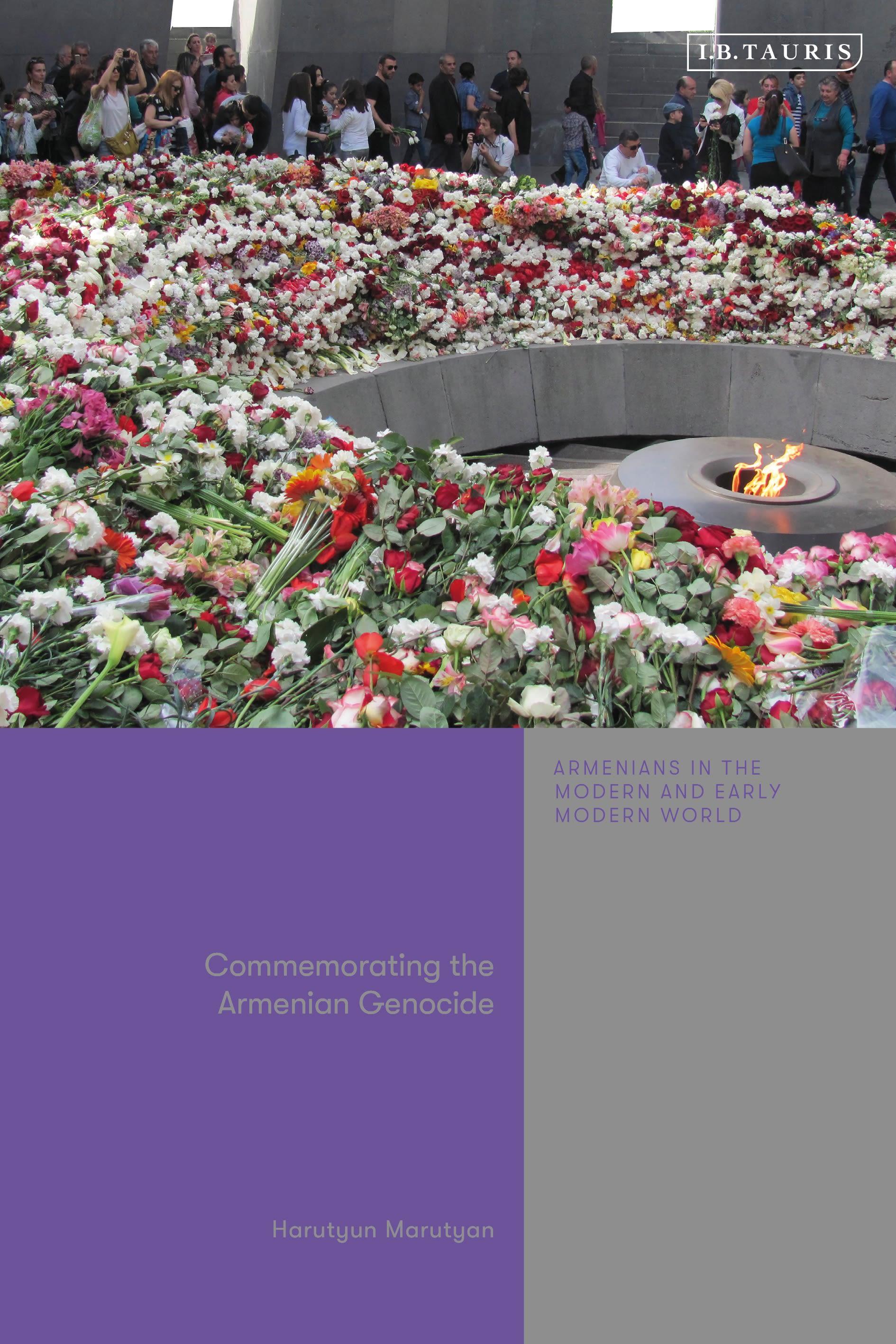
Commemorated annually on 24 April, Armenian Genocide Remembrance Day is an important part of national identity in both Armenia and the diaspora. This book is a historical and anthropological account of how the genocide is commemorated by Armenians and its evolving significance over time. Beginning with the first demonstrations by survivors in Allied-occupied Constantinople in 1919, to the Stalinist ban on commemoration and the Khrushchev thaw and beyond, the book charts how the politics of the genocide and its official and popular memory fluctuated in Soviet Armenia and the diaspora. The book also provides a detailed account of the rituals involved in the annual march to the Armenian Genocide Memorial in Yerevan and other memory sites, analysing the ways that the collective memory of this foundational event is embodied and continues to reflect and shape Armenian identity today.
Betaal eenvoudig met kaart, Klarna, Apple Pay of Google Pay. Niet tevreden? Je hebt altijd 14 dagen bedenktijd. Lees meer in onze voorwaarden. Heb je vragen, mail ons dan via hello@memmo.org.
Memmo maakt studeren makkelijker – waar je ook bent ter wereld. Wij brengen je cursusboeken en slimme studietools samen op één plek: samenvattingen, quizzen, podcasts en flashcards. En Ted, je studievriend die antwoord geeft op alles wat je je afvraagt. Meer dan 50.000 studenten studeren hier al – gebouwd om je sneller te laten leren en minder stress te geven.