
I.B. Tauris in association with the Institute of Ismaili Studies.
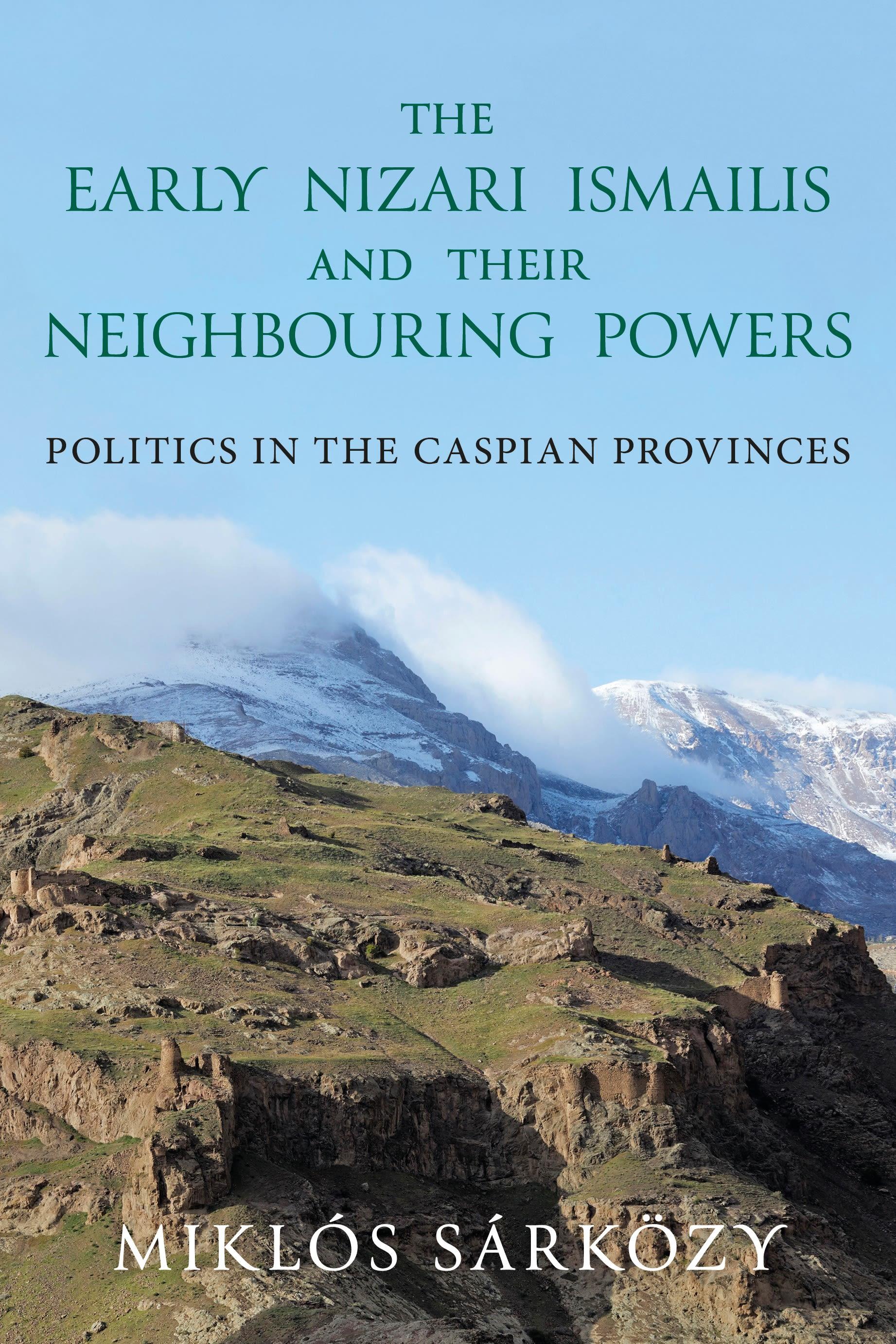
This new history of the Alamut era of the Nizari Ismaili community concentrates on the local politics of the remote mountainous Caspian region. This is where the prominent religious and military leader, Hasan-i Sabbah (1050s-1124) famously founded the medieval Nizari Isma'ili state in 1090 before it collapsed at the hands of the Mongols in 1256.
Miklós Sárközy presents here a fresh investigation of this period through a detailed examination of the regional Caspian histories across the turbulent 11th and early 13th centuries. His analysis provides an important contribution to our understanding of the development of the early Nizari Ismailis and their Imams in Iran. The book considers the effects of neighbouring regional powers on the formation and adaptions of the Nizari state whilst it was continuously subjected to the assaults of the Saljuq Turks. The result is a new perspective on how the Nizari Ismailis were able to survive and flourish through difficult times and establish themselves as a vital polity of the Muslim world.
The Nizaris- also known as “Assassins” in western literature-have attracted considerable interest among both scholars and the general public. This book is a much-needed analysis of a neglected area of their vital history.
This new history of the Alamut era of the Nizari Ismaili community concentrates on the local politics of the remote mountainous Caspian region. This is where the prominent religious and military leader, Hasan-i Sabbah (1050s-1124) famously founded the medieval Nizari Isma'ili state in 1090 before it collapsed at the hands of the Mongols in 1256.
Miklós Sárközy presents here a fresh investigation of this period through a detailed examination of the regional Caspian histories across the turbulent 11th and early 13th centuries. His analysis provides an important contribution to our understanding of the development of the early Nizari Ismailis and their Imams in Iran. The book considers the effects of neighbouring regional powers on the formation and adaptions of the Nizari state whilst it was continuously subjected to the assaults of the Saljuq Turks. The result is a new perspective on how the Nizari Ismailis were able to survive and flourish through difficult times and establish themselves as a vital polity of the Muslim world.
The Nizaris- also known as “Assassins” in western literature-have attracted considerable interest among both scholars and the general public. This book is a much-needed analysis of a neglected area of their vital history.
Pagina's: 256
Categorie: Religion & Teologi
e-ISBN: 9780755656691
Verzendgewicht: 1.2 kg
Verzending binnen: 1-2 dagen
Betaal eenvoudig met kaart, Klarna, Apple Pay of Google Pay. Niet tevreden? Je hebt altijd 14 dagen bedenktijd. Lees meer in onze voorwaarden. Heb je vragen, mail ons dan via hello@memmo.org.
Memmo maakt studeren makkelijker – waar je ook bent ter wereld. Wij brengen je cursusboeken en slimme studietools samen op één plek: samenvattingen, quizzen, podcasts en flashcards. En Ted, je studievriend die antwoord geeft op alles wat je je afvraagt. Meer dan 50.000 studenten studeren hier al – gebouwd om je sneller te laten leren en minder stress te geven.