
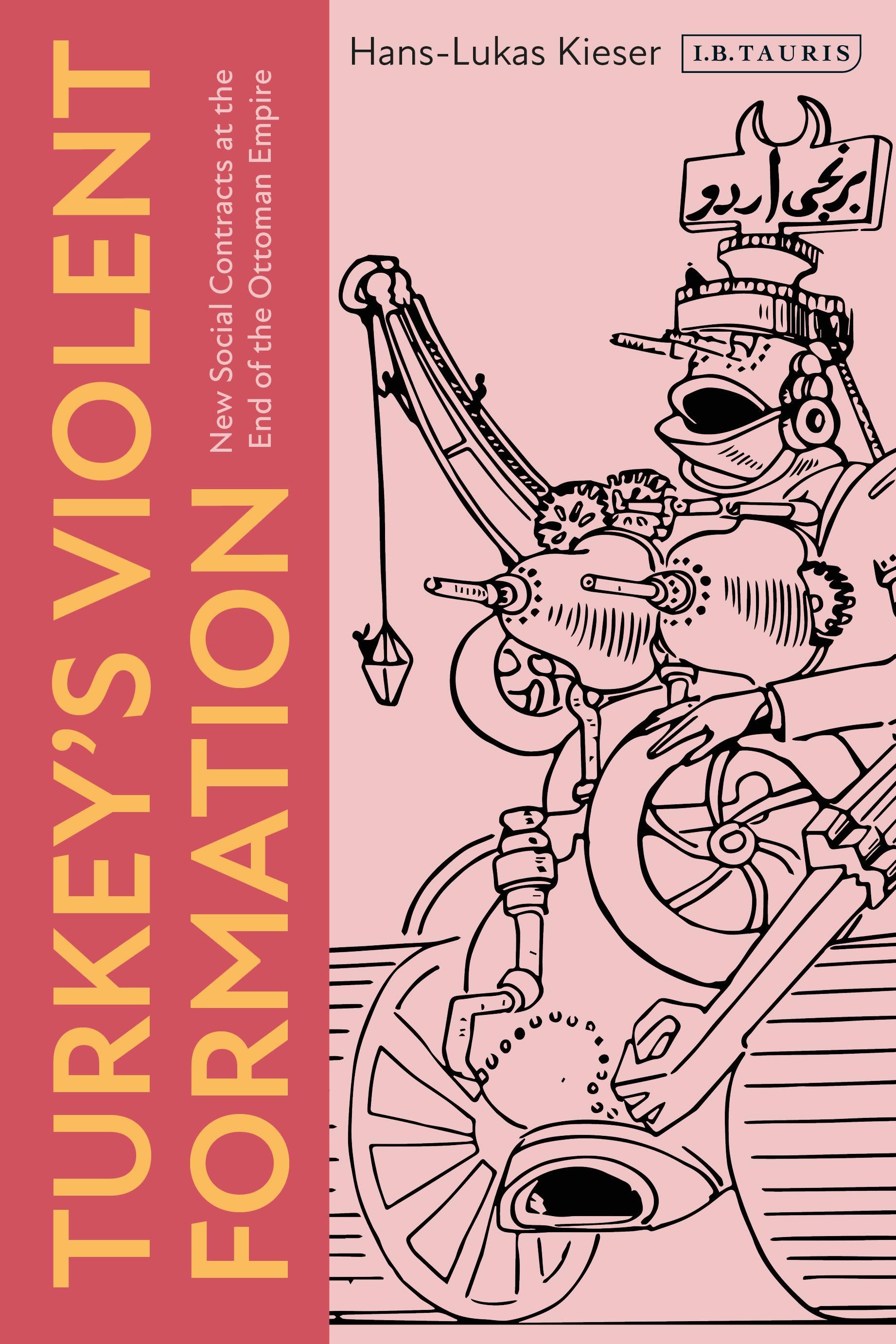
The decade of war and violence culminating in the Conference of Lausanne was formative for the modern state of Turkey, as it was for interwar Europe's diplomacy and appeasement. Yet the currents that gave rise to the defining events of the period – ultranationalism, imperial proto-fascism, and pan-Islamism – have yet to be definitively integrated into historiography.
The case studies in this book reappraise key events, concepts, and individuals in late Ottoman and early Republican Turkey. Divided into four parts, the book first examines squandered opportunities for democratic reform of the multi-ethnic empire, as well as the emergence of extreme politico-religious ideology in the late Ottoman period. It then examines the continuity of these currents in Kemalist Turkey in case studies including anti-Kurdish campaigns and biographical studies of key actors, insiders, and ideologues such as Ziya Gökalp, Cavid Bey, Riza Nur, and Mahmut Bozkurt. The final part of the book explores the legacy of Turkey's violent formation vis-à-vis its relations with wartime ally Germany in the context particularly of the Armenian genocide.
Together, the chapters in this book emphasise the legacy of foundational violence which marked the formation of authoritarian modern Turkey, while highlighting the need for new, inclusive democratic social contracts.
The case studies in this book reappraise key events, concepts, and individuals in late Ottoman and early Republican Turkey. Divided into four parts, the book first examines squandered opportunities for democratic reform of the multi-ethnic empire, as well as the emergence of extreme politico-religious ideology in the late Ottoman period. It then examines the continuity of these currents in Kemalist Turkey in case studies including anti-Kurdish campaigns and biographical studies of key actors, insiders, and ideologues such as Ziya Gökalp, Cavid Bey, Riza Nur, and Mahmut Bozkurt. The final part of the book explores the legacy of Turkey's violent formation vis-à-vis its relations with wartime ally Germany in the context particularly of the Armenian genocide.
Together, the chapters in this book emphasise the legacy of foundational violence which marked the formation of authoritarian modern Turkey, while highlighting the need for new, inclusive democratic social contracts.
Betaal eenvoudig met kaart, Klarna, Apple Pay of Google Pay. Niet tevreden? Je hebt altijd 14 dagen bedenktijd. Lees meer in onze voorwaarden. Heb je vragen, mail ons dan via hello@memmo.org.
Memmo maakt studeren makkelijker – waar je ook bent ter wereld. Wij brengen je cursusboeken en slimme studietools samen op één plek: samenvattingen, quizzen, podcasts en flashcards. En Ted, je studievriend die antwoord geeft op alles wat je je afvraagt. Meer dan 50.000 studenten studeren hier al – gebouwd om je sneller te laten leren en minder stress te geven.