
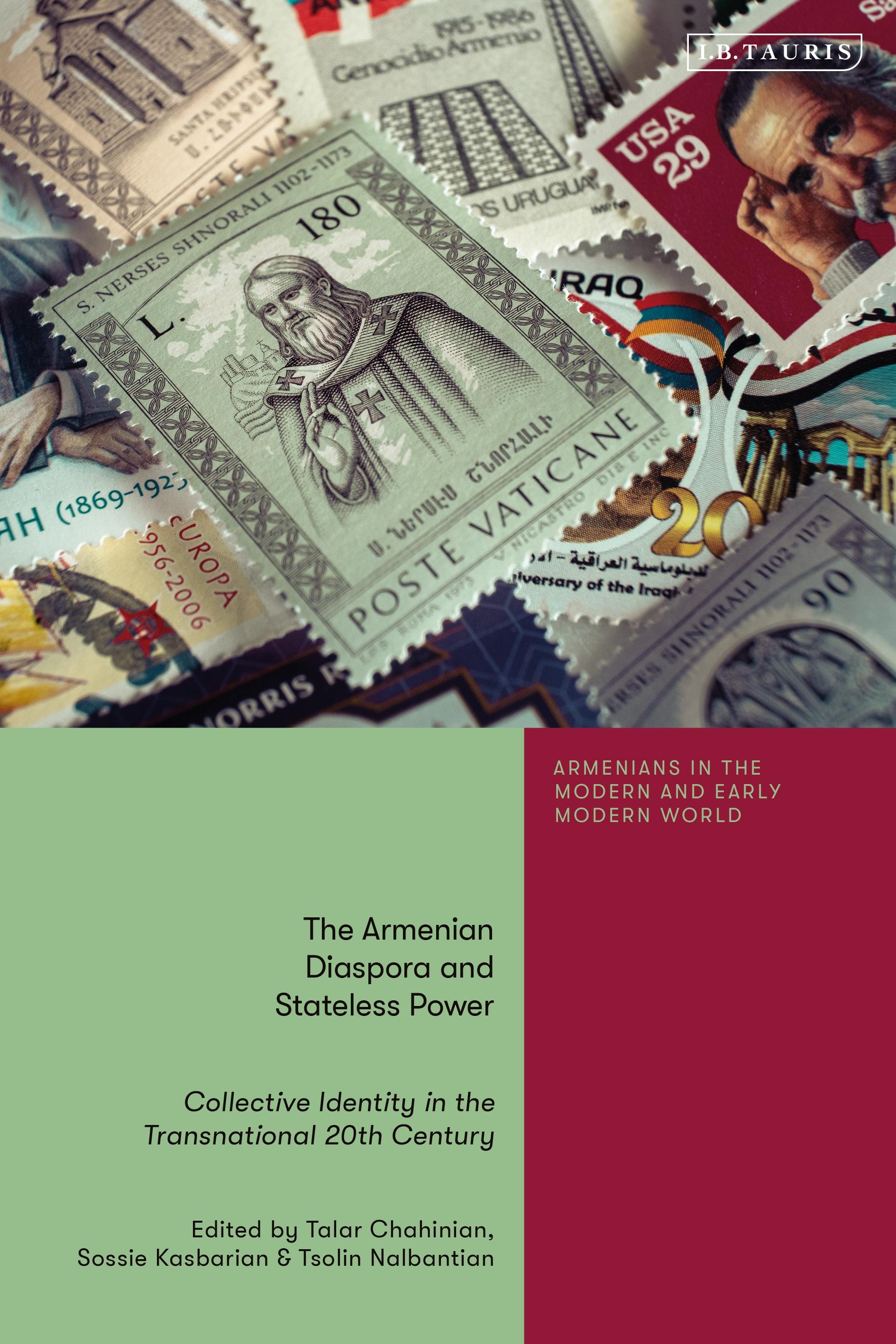
From genocide, forced displacement, and emigration, to the gradual establishment of sedentary and rooted global communities, how has the Armenian diaspora formed and maintained a sense of collective identity? This book explores the richness and magnitude of the Armenian experience through the 20th century to examine how Armenian diaspora elites and their institutions emerged in the post-genocide period and used “stateless power” to compose forms of social discipline. Historians, cultural theorists, literary critics, sociologists, political scientists, and anthropologists explore how national and transnational institutions were built in far-flung sites from Istanbul, Aleppo, Beirut and Jerusalem to Paris, Los Angeles, and the American mid-west. Exploring literary and cultural production as well as the role of religious institutions, the book probes the history and experience of the Armenian diaspora through the long 20th century, from the role of the fin-de-siècle émigré Armenian press to the experience of Syrian-Armenian asylum seekers in the 21st century. It shows that a diaspora's statelessness can not only be evidence of its power, but also how this “stateless power” acts as an alternative and complement to the nation-state.
Pagina's: 328
Categorie: Statsvetenskap & Politik
e-ISBN: 9780755648238
Verzendgewicht: 1.2 kg
Verzending binnen: 1-2 dagen
Betaal eenvoudig met kaart, Klarna, Apple Pay of Google Pay. Niet tevreden? Je hebt altijd 14 dagen bedenktijd. Lees meer in onze voorwaarden. Heb je vragen, mail ons dan via hello@memmo.org.
Memmo maakt studeren makkelijker – waar je ook bent ter wereld. Wij brengen je cursusboeken en slimme studietools samen op één plek: samenvattingen, quizzen, podcasts en flashcards. En Ted, je studievriend die antwoord geeft op alles wat je je afvraagt. Meer dan 50.000 studenten studeren hier al – gebouwd om je sneller te laten leren en minder stress te geven.