
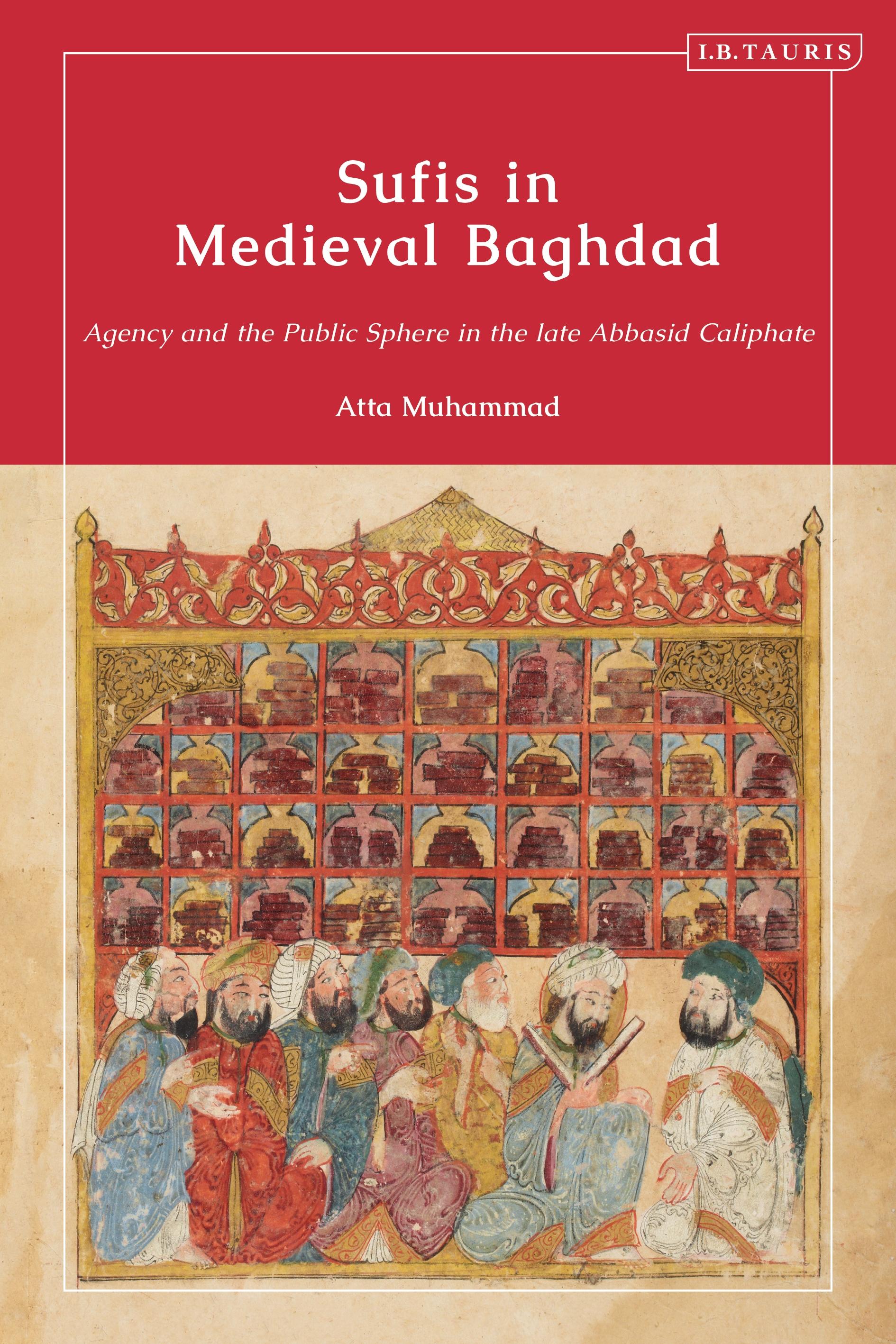
This book examines the political and social activities of Sufis in Baghdad in the period 1000-1258. It argues that Sufis played an important role in creating a public sphere that existed between ordinary subjects and the government. Drawing on Arabic sources and secondary literature, it explores the role of Sufis and their institutions including their ribats or lodge houses, from the use of Sufis as political ambassadors to their role in redistributing charity to the poor. The book reveals the role of Sufism in structuring a wide range of social and political arrangements in this period. It also reveals the role of ordinary, non-elite actors who, by taking part in Sufi-affiliated religious or professional associations, were able take part in public life in late-Abbasid Baghdad.
Betaal eenvoudig met kaart, Klarna, Apple Pay of Google Pay. Niet tevreden? Je hebt altijd 14 dagen bedenktijd. Lees meer in onze voorwaarden. Heb je vragen, mail ons dan via hello@memmo.org.
Memmo maakt studeren makkelijker – waar je ook bent ter wereld. Wij brengen je cursusboeken en slimme studietools samen op één plek: samenvattingen, quizzen, podcasts en flashcards. En Ted, je studievriend die antwoord geeft op alles wat je je afvraagt. Meer dan 50.000 studenten studeren hier al – gebouwd om je sneller te laten leren en minder stress te geven.