
I.B. Tauris in association with the Institute of Ismaili Studies
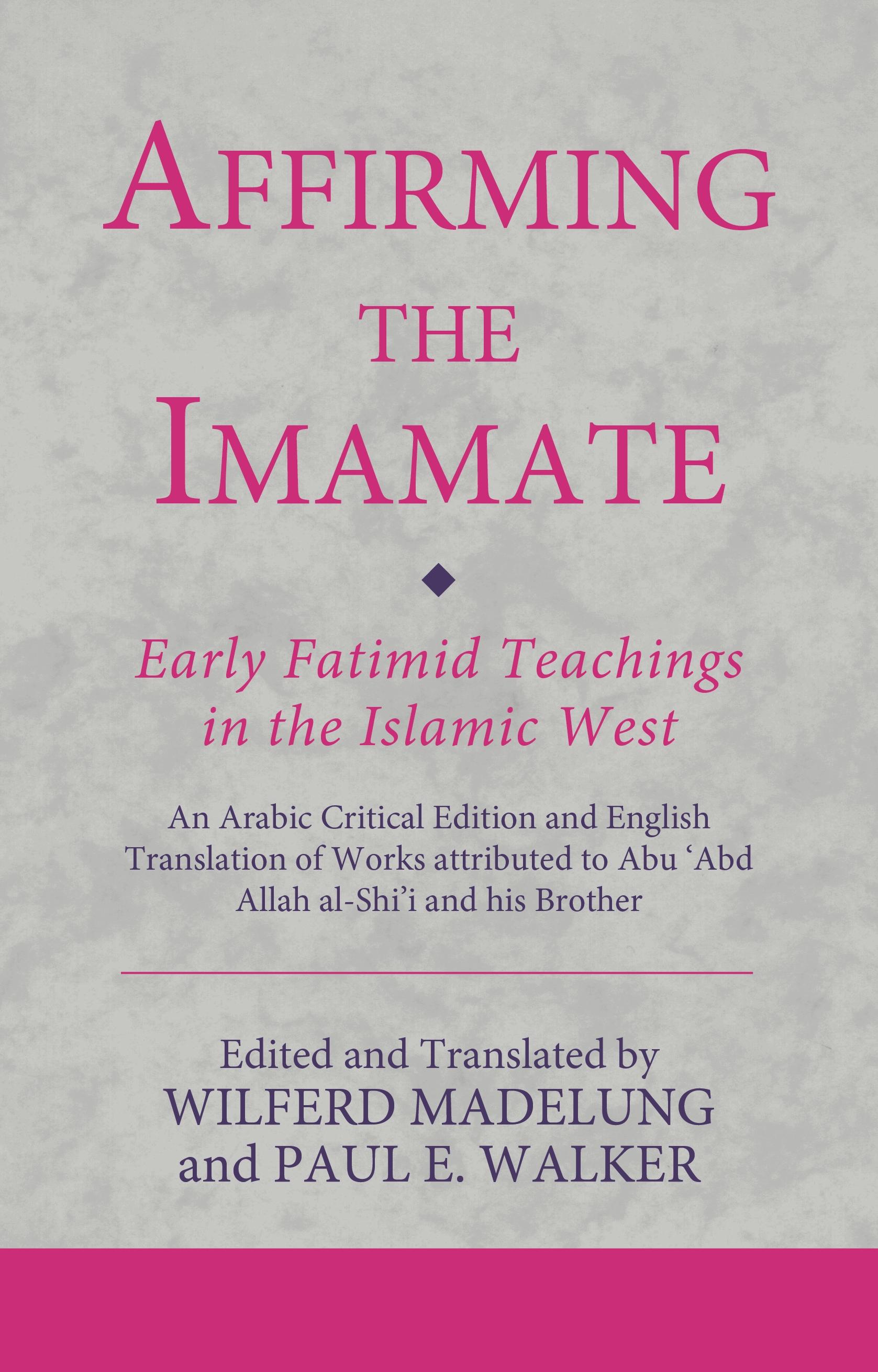
The two sermons edited and translated here for the first time are primary material from the years before the establishment of the Fatimid caliphate in 297/909. The authors have been identified as Abu 'Abd Allah al-Shi'i and Abu'l-'Abbas Muhammad, two brothers who were central to the success of the Ismaili da'wa in North Africa. Da'wa, a term used to describe how Muslims teach others about the beliefs and practices of their Islamic faith, therefore provide a unique view of the nature and development of Islam throughout history. In this case, the primary texts shed light on the development of Islam among the Berbers of the Maghreb.
The first text by Abu 'Abd Allah al-Shi'i shows how the arguments for belief in the 'imamate' of the family of the Prophet, that is, the Shi'a belief that all imams should be spiritual descendants of the Prophet Muhammad and his household, were developed and presented to bring new adherents to the cause. The Book of the Keys to Grace by his elder brother Abu'l-'Abbas, too, concerns not only the centrality of the imam in the faith but also sheds light on the hierarchy of the da'wa in this early period and its organisational sophistication.
Both texts also reveal the contemporary theology propagated by the Ismaili da'wa, including for instance, the powerful analogy of Moses/Aaron and Muhammad/'Ali, the awareness of a variety of religious traditions and the use of detailed Qur'anic quotations and a wide range of hadith. As such they constitute primary source material of interest not only for Ismaili history but for this early period of Islam in general.
The two sermons edited and translated here for the first time are primary material from the years before the establishment of the Fatimid caliphate in 297/909. The authors have been identified as Abu 'Abd Allah al-Shi'i and Abu'l-'Abbas Muhammad, two brothers who were central to the success of the Ismaili da'wa in North Africa. Da'wa, a term used to describe how Muslims teach others about the beliefs and practices of their Islamic faith, therefore provide a unique view of the nature and development of Islam throughout history. In this case, the primary texts shed light on the development of Islam among the Berbers of the Maghreb.
The first text by Abu 'Abd Allah al-Shi'i shows how the arguments for belief in the 'imamate' of the family of the Prophet, that is, the Shi'a belief that all imams should be spiritual descendants of the Prophet Muhammad and his household, were developed and presented to bring new adherents to the cause. The Book of the Keys to Grace by his elder brother Abu'l-'Abbas, too, concerns not only the centrality of the imam in the faith but also sheds light on the hierarchy of the da'wa in this early period and its organisational sophistication.
Both texts also reveal the contemporary theology propagated by the Ismaili da'wa, including for instance, the powerful analogy of Moses/Aaron and Muhammad/'Ali, the awareness of a variety of religious traditions and the use of detailed Qur'anic quotations and a wide range of hadith. As such they constitute primary source material of interest not only for Ismaili history but for this early period of Islam in general.
Pagina's: 248
Categorie: Religion & Teologi
e-ISBN: 9780755637348
Verzendgewicht: 1.2 kg
Verzending binnen: 1-2 dagen
Betaal eenvoudig met kaart, Klarna, Apple Pay of Google Pay. Niet tevreden? Je hebt altijd 14 dagen bedenktijd. Lees meer in onze voorwaarden. Heb je vragen, mail ons dan via hello@memmo.org.
Memmo maakt studeren makkelijker – waar je ook bent ter wereld. Wij brengen je cursusboeken en slimme studietools samen op één plek: samenvattingen, quizzen, podcasts en flashcards. En Ted, je studievriend die antwoord geeft op alles wat je je afvraagt. Meer dan 50.000 studenten studeren hier al – gebouwd om je sneller te laten leren en minder stress te geven.