
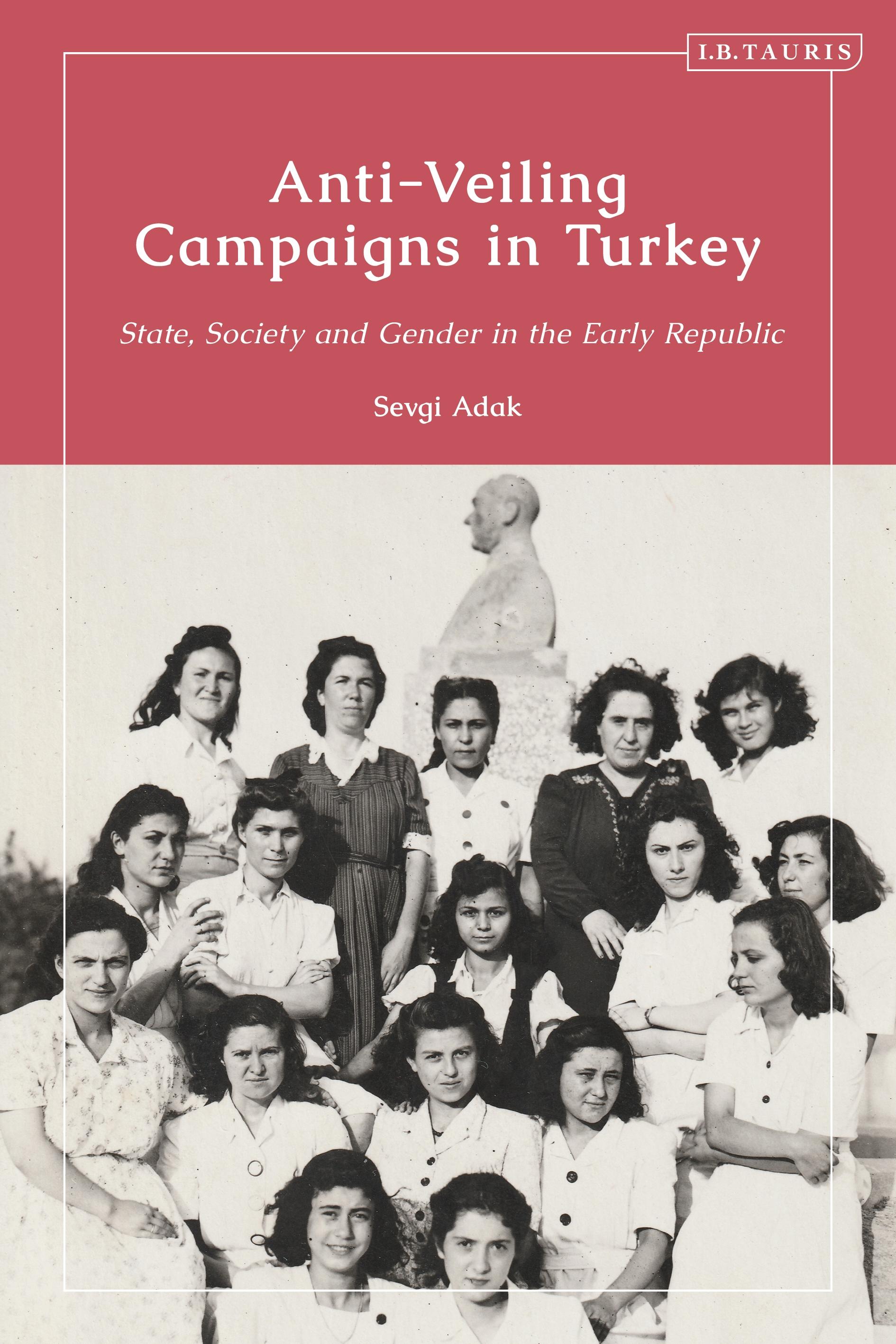
The veiling and unveiling of women have been controversial issues in Turkey since the late-Ottoman period. It was with the advent of local campaigns against certain veils in the 1930s, however, that women's dress turned into an issue of national mobilisation in which gender norms would be redefined. In this comprehensive analysis of the anti-veiling campaigns in interwar Turkey, Sevgi Adak casts light onto the historical context within which the meanings of veiling and unveiling in Turkey were formed. By shifting the focus from the high politics of the elite to the implementation of state policies, the book situates the anti-veiling campaigns as a space where the Kemalist reforms were negotiated, compromised and resisted by societal actors. Using previously unpublished archival material, Adak reveals the intricacies of the Kemalist modernisation process and provides a nuanced reading of the gender order established in the early republic by looking at the various ways women responded to the anti-veiling campaigns. A major contribution to the literature on the social history of modern Turkey, the book provides a complex analysis of these campaigns which goes beyond a simple binary between liberation and oppression.
Betaal eenvoudig met kaart, Klarna, Apple Pay of Google Pay. Niet tevreden? Je hebt altijd 14 dagen bedenktijd. Lees meer in onze voorwaarden. Heb je vragen, mail ons dan via hello@memmo.org.
Memmo maakt studeren makkelijker – waar je ook bent ter wereld. Wij brengen je cursusboeken en slimme studietools samen op één plek: samenvattingen, quizzen, podcasts en flashcards. En Ted, je studievriend die antwoord geeft op alles wat je je afvraagt. Meer dan 50.000 studenten studeren hier al – gebouwd om je sneller te laten leren en minder stress te geven.