
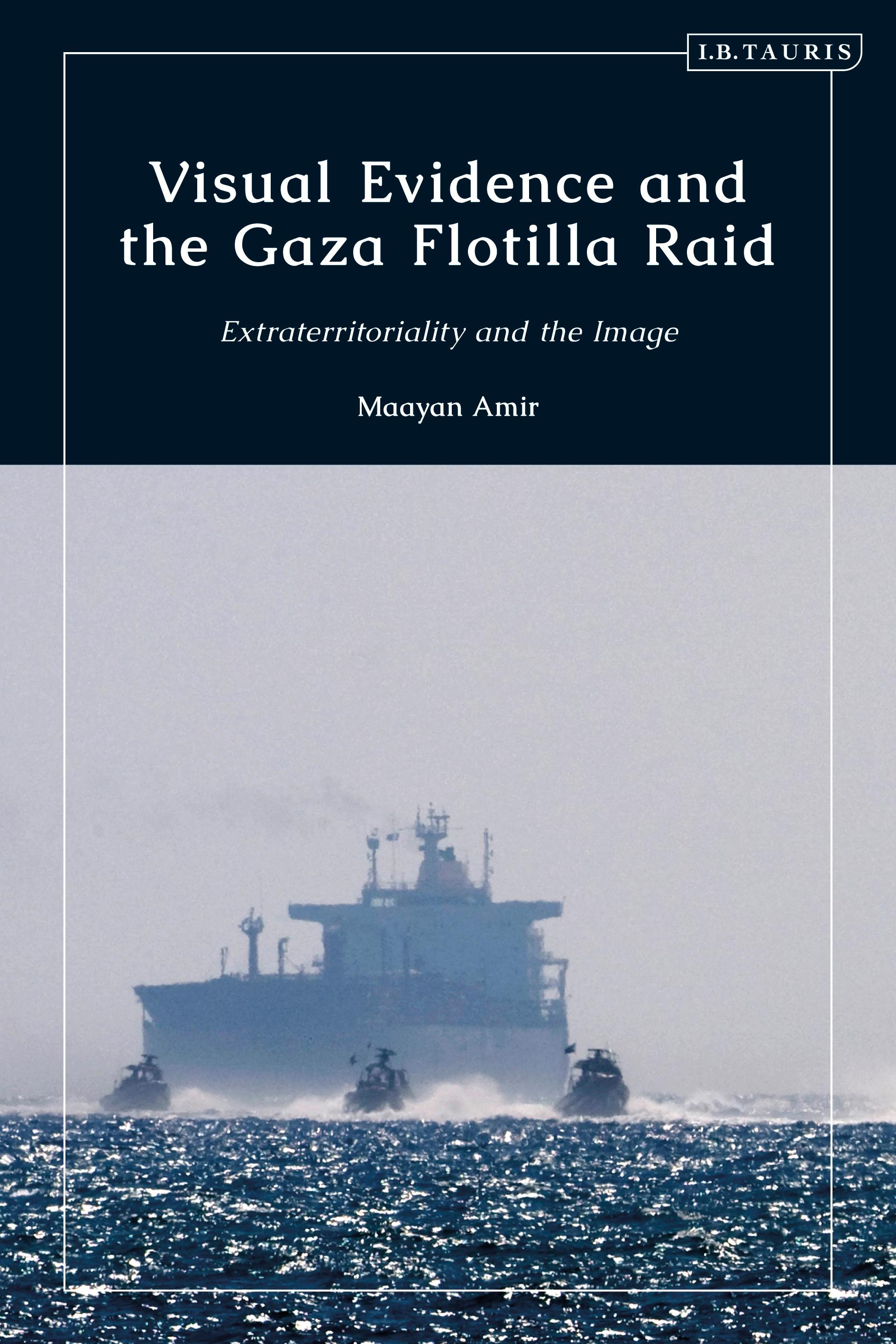
This book engages with pivotal examples of extraterritoriality-from Antiquity and into the twenty first century-in order to broaden the original judicial and geographical definition and thereby include physical and digitized information, and visual data in particular. By focusing on a critical incident of recent Middle Eastern history-namely,the Gaza Freedom Flotilla of 2010 which sailed against Israel's enduring blockade-it shows how the device of extraterritoriality shapes not only the political situation in Gaza, the legal status of the maritime environment in which the flotilla incident took place, and the judicial actions taken in response but also reveals how the concept of extraterritoriality is key to explaining the State's subsequent efforts to confiscate and monopolize all visual evidence of its alleged violations of international statutes. Through the lens of the missing visual evidence characterizing the Mavi Marmara incident after-effects, it explores how the legal system's ability to evade transparency seems to be a built-in condition for eluding criminal accountability at the international level, with the emphasis on extraterritoriality's fundamental role in fashioning our current legal and political orders.
Betaal eenvoudig met kaart, Klarna, Apple Pay of Google Pay. Niet tevreden? Je hebt altijd 14 dagen bedenktijd. Lees meer in onze voorwaarden. Heb je vragen, mail ons dan via hello@memmo.org.
Memmo maakt studeren makkelijker – waar je ook bent ter wereld. Wij brengen je cursusboeken en slimme studietools samen op één plek: samenvattingen, quizzen, podcasts en flashcards. En Ted, je studievriend die antwoord geeft op alles wat je je afvraagt. Meer dan 50.000 studenten studeren hier al – gebouwd om je sneller te laten leren en minder stress te geven.