
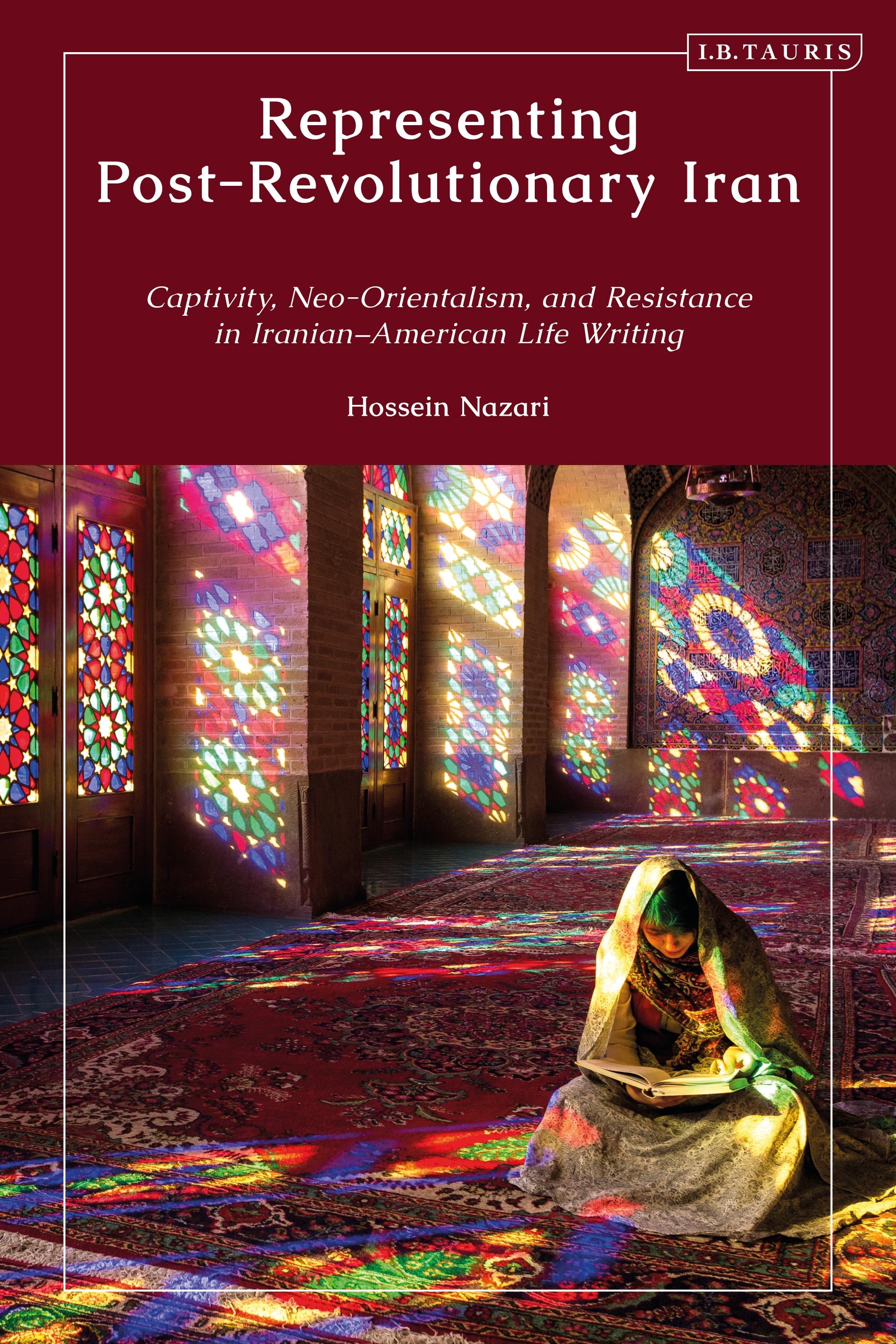
Memoirs of diasporic Iranian-American authors are a unique and culturally powerful way in which Iran, its politics, and people are understood in the USA and the rest of the world. This book offers an analysis of the processes of production, promotion, and reception of the representations of post-revolutionary Iran.
The book provides new perspectives on some of the most famous examples of the genre such as Betty Mahmoody's Not Without My Daughter, Azar Nafisi's Reading Lolita in Tehran: A Memoir in Books, and Fatemeh Keshavarz's Jasmine and Stars: Reading More Than Lolita in Tehran. Hossein Nazari places these texts in their social, historical, and political contexts, tracing their origins within the trope of the American captivity narrative, teasing out and critiquing neo-Orientalist tendencies within, and finally focusing on modes of discursive resistance to neo-Orientalist narratives. The book analyzes the structural means by which stereotypes about Islam and women in the Islamic Republic in these narratives are privileged by news media and the creative industries, while also charting a growing number of 'counterhegemonic' memoirs which challenge these narratives by representing more nuanced accounts of life in Iran after 1979.
The book provides new perspectives on some of the most famous examples of the genre such as Betty Mahmoody's Not Without My Daughter, Azar Nafisi's Reading Lolita in Tehran: A Memoir in Books, and Fatemeh Keshavarz's Jasmine and Stars: Reading More Than Lolita in Tehran. Hossein Nazari places these texts in their social, historical, and political contexts, tracing their origins within the trope of the American captivity narrative, teasing out and critiquing neo-Orientalist tendencies within, and finally focusing on modes of discursive resistance to neo-Orientalist narratives. The book analyzes the structural means by which stereotypes about Islam and women in the Islamic Republic in these narratives are privileged by news media and the creative industries, while also charting a growing number of 'counterhegemonic' memoirs which challenge these narratives by representing more nuanced accounts of life in Iran after 1979.
Betaal eenvoudig met kaart, Klarna, Apple Pay of Google Pay. Niet tevreden? Je hebt altijd 14 dagen bedenktijd. Lees meer in onze voorwaarden. Heb je vragen, mail ons dan via hello@memmo.org.
Memmo maakt studeren makkelijker – waar je ook bent ter wereld. Wij brengen je cursusboeken en slimme studietools samen op één plek: samenvattingen, quizzen, podcasts en flashcards. En Ted, je studievriend die antwoord geeft op alles wat je je afvraagt. Meer dan 50.000 studenten studeren hier al – gebouwd om je sneller te laten leren en minder stress te geven.