
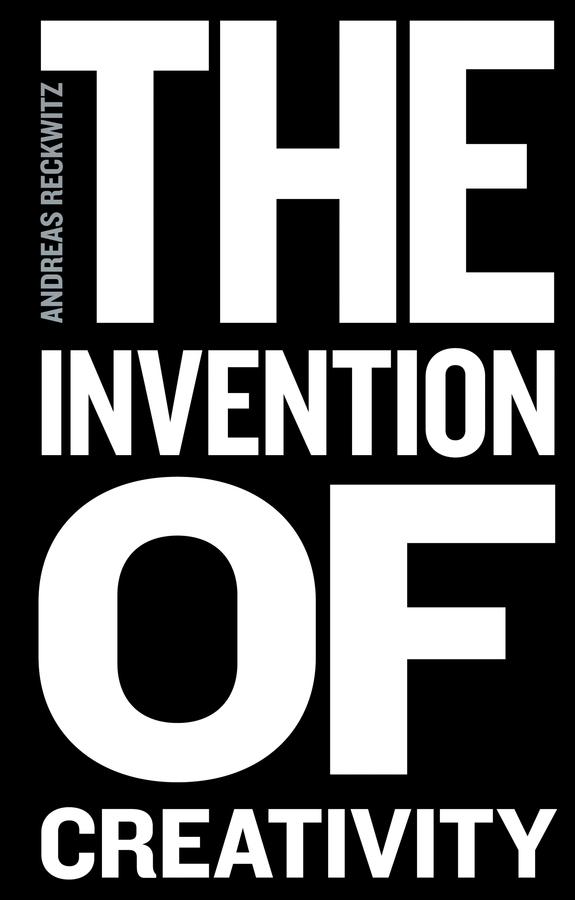
Contemporary society has seen an unprecedented rise in both the demand and the desire to be creative, to bring something new into the world. Once the reserve of artistic subcultures, creativity has now become a universal model for culture and an imperative in many parts of society.
In this new book, cultural sociologist Andreas Reckwitz investigates how the ideal of creativity has grown into a major social force, from the art of the avant-garde and postmodernism to the ‘creative industries’ and the innovation economy, the psychology of creativity and self-growth, the media representation of creative stars, and the urban design of ‘creative cities’. Where creativity is often assumed to be a force for good, Reckwitz looks critically at how this imperative has developed from the 1970s to the present day. Though we may well perceive creativity as the realization of some natural and innate potential within us, it has rather to be understood within the structures of a very specific culture of the new in late modern society.
The Invention of Creativity is a bold and refreshing counter to conventional wisdom that shows how our age is defined by radical and restrictive processes of social aestheticization. It will be of great interest to those working in a variety of disciplines, from cultural and social theory to art history and aesthetics.
Betaal eenvoudig met kaart, Klarna, Apple Pay of Google Pay. Niet tevreden? Je hebt altijd 14 dagen bedenktijd. Lees meer in onze voorwaarden. Heb je vragen, mail ons dan via hello@memmo.org.
Memmo maakt studeren makkelijker – waar je ook bent ter wereld. Wij brengen je cursusboeken en slimme studietools samen op één plek: samenvattingen, quizzen, podcasts en flashcards. En Ted, je studievriend die antwoord geeft op alles wat je je afvraagt. Meer dan 50.000 studenten studeren hier al – gebouwd om je sneller te laten leren en minder stress te geven.