
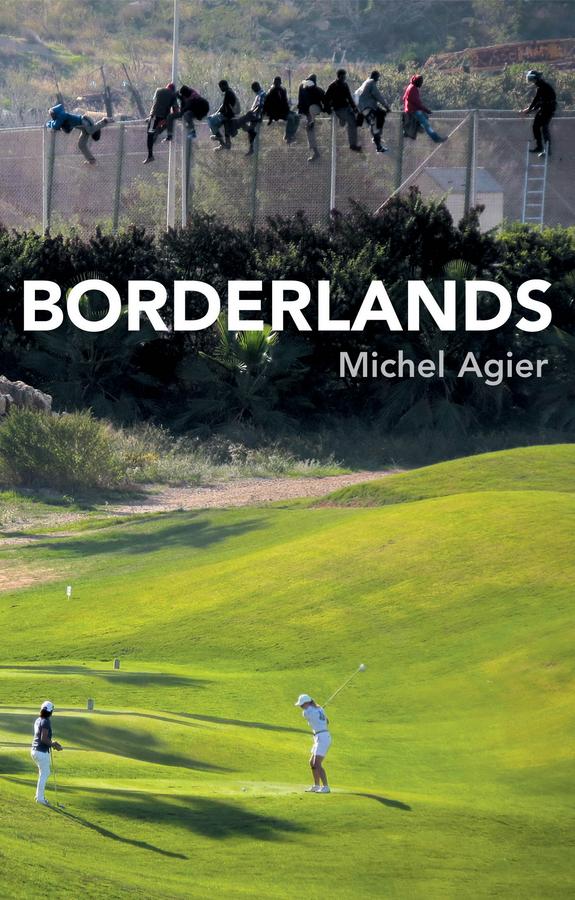
The images of migrants and refugees arriving in precarious boats on the shores of southern Europe, and of the makeshift camps that have sprung up in Lesbos, Lampedusa, Calais and elsewhere, have become familiar sights on television screens around the world. But what do we know about the border places these liminal zones between countries and continents that have become the focus of so much attention and anxiety today, and what do we know about the individuals who occupy these places?
In this timely book, anthropologist Michel Agier addresses these questions and examines the character of the borderlands that emerge on the margins of nation-states. Drawing on his ethnographic fieldwork, he shows that borders, far from disappearing, have acquired a new kind of centrality in our societies, becoming reference points for the growing numbers of people who do not find a place in the countries they wish to reach. They have become the site for a new kind of subject, the border dweller, who is both �inside� and �outside�, enclosed on the one hand and excluded on the other, and who is obliged to learn, under harsh conditions, the ways of the world and of other people. In this respect, the lives of migrants, even in the uncertainties or dangers of the borderlands, tell us something about the condition in which everyone is increasingly living today, a �cosmopolitan condition� in which the experience of the unfamiliar is more common and the relation between self and other is in constant renewal.
In this timely book, anthropologist Michel Agier addresses these questions and examines the character of the borderlands that emerge on the margins of nation-states. Drawing on his ethnographic fieldwork, he shows that borders, far from disappearing, have acquired a new kind of centrality in our societies, becoming reference points for the growing numbers of people who do not find a place in the countries they wish to reach. They have become the site for a new kind of subject, the border dweller, who is both �inside� and �outside�, enclosed on the one hand and excluded on the other, and who is obliged to learn, under harsh conditions, the ways of the world and of other people. In this respect, the lives of migrants, even in the uncertainties or dangers of the borderlands, tell us something about the condition in which everyone is increasingly living today, a �cosmopolitan condition� in which the experience of the unfamiliar is more common and the relation between self and other is in constant renewal.
Betaal eenvoudig met kaart, Klarna, Apple Pay of Google Pay. Niet tevreden? Je hebt altijd 14 dagen bedenktijd. Lees meer in onze voorwaarden. Heb je vragen, mail ons dan via hello@memmo.org.
Memmo maakt studeren makkelijker – waar je ook bent ter wereld. Wij brengen je cursusboeken en slimme studietools samen op één plek: samenvattingen, quizzen, podcasts en flashcards. En Ted, je studievriend die antwoord geeft op alles wat je je afvraagt. Meer dan 50.000 studenten studeren hier al – gebouwd om je sneller te laten leren en minder stress te geven.
Misschien vind je dit ook leuk
Koop het boek0