
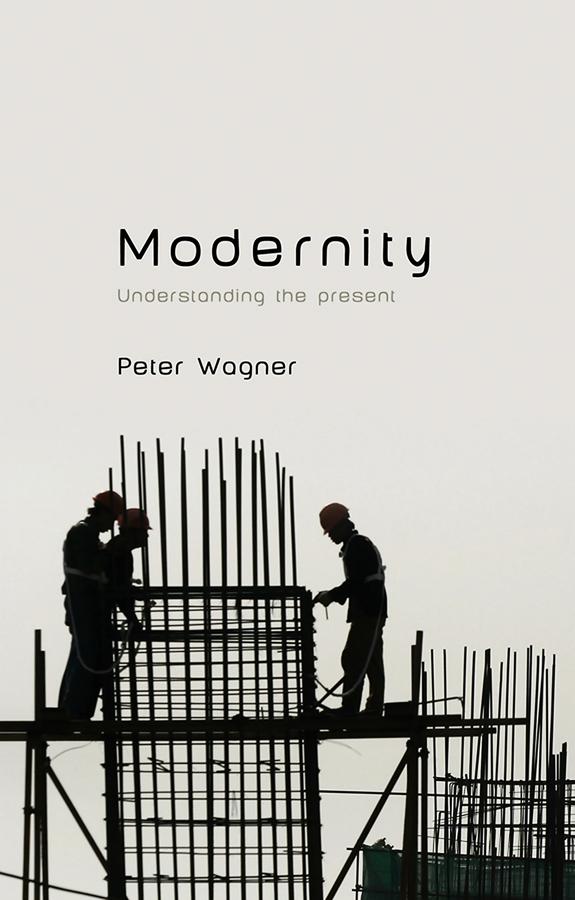
We live in a modern age, but what does ‘modern’ mean and how can a reflection on ‘modernity’ help us to understand the world today? These are the questions that Peter Wagner sets out to answer in this concise and accessible book.
Wagner begins by returning to the question of modernity's Western origins and its claims to open up a new and better era in the history of humanity. Modernity's claims and expectations have become more prevalent and widely shared, but in the course of their realization and diffusion they have also been radically transformed. In an acute and engaging analysis, Wagner examines the following key issues among others:
- Modernity was based on the hope for freedom and reason, but it created the institutions of contemporary capitalism and democracy. How does the freedom of the citizen relate to the freedom of the buyer and seller today? And what does disaffection with capitalism and democracy entail for the sustainability of modernity?
- Rather than a single model of modernity, there is now a plurality of forms of modern socio-political organisation. What does this entail for our idea of progress and our hope that the future world can be better than the present one?
- All nuance and broadening notwithstanding, our concept of modernity is in some way inextricably tied to the history of Europe and the West. How can we compare different forms of modernity in a 'symmetric', non-biased or non-Eurocentric way? How can we develop a world-sociology of modernity?
Wagner begins by returning to the question of modernity's Western origins and its claims to open up a new and better era in the history of humanity. Modernity's claims and expectations have become more prevalent and widely shared, but in the course of their realization and diffusion they have also been radically transformed. In an acute and engaging analysis, Wagner examines the following key issues among others:
- Modernity was based on the hope for freedom and reason, but it created the institutions of contemporary capitalism and democracy. How does the freedom of the citizen relate to the freedom of the buyer and seller today? And what does disaffection with capitalism and democracy entail for the sustainability of modernity?
- Rather than a single model of modernity, there is now a plurality of forms of modern socio-political organisation. What does this entail for our idea of progress and our hope that the future world can be better than the present one?
- All nuance and broadening notwithstanding, our concept of modernity is in some way inextricably tied to the history of Europe and the West. How can we compare different forms of modernity in a 'symmetric', non-biased or non-Eurocentric way? How can we develop a world-sociology of modernity?
Betaal eenvoudig met kaart, Klarna, Apple Pay of Google Pay. Niet tevreden? Je hebt altijd 14 dagen bedenktijd. Lees meer in onze voorwaarden. Heb je vragen, mail ons dan via hello@memmo.org.
Memmo maakt studeren makkelijker – waar je ook bent ter wereld. Wij brengen je cursusboeken en slimme studietools samen op één plek: samenvattingen, quizzen, podcasts en flashcards. En Ted, je studievriend die antwoord geeft op alles wat je je afvraagt. Meer dan 50.000 studenten studeren hier al – gebouwd om je sneller te laten leren en minder stress te geven.
Misschien vind je dit ook leuk
Koop het boek0