
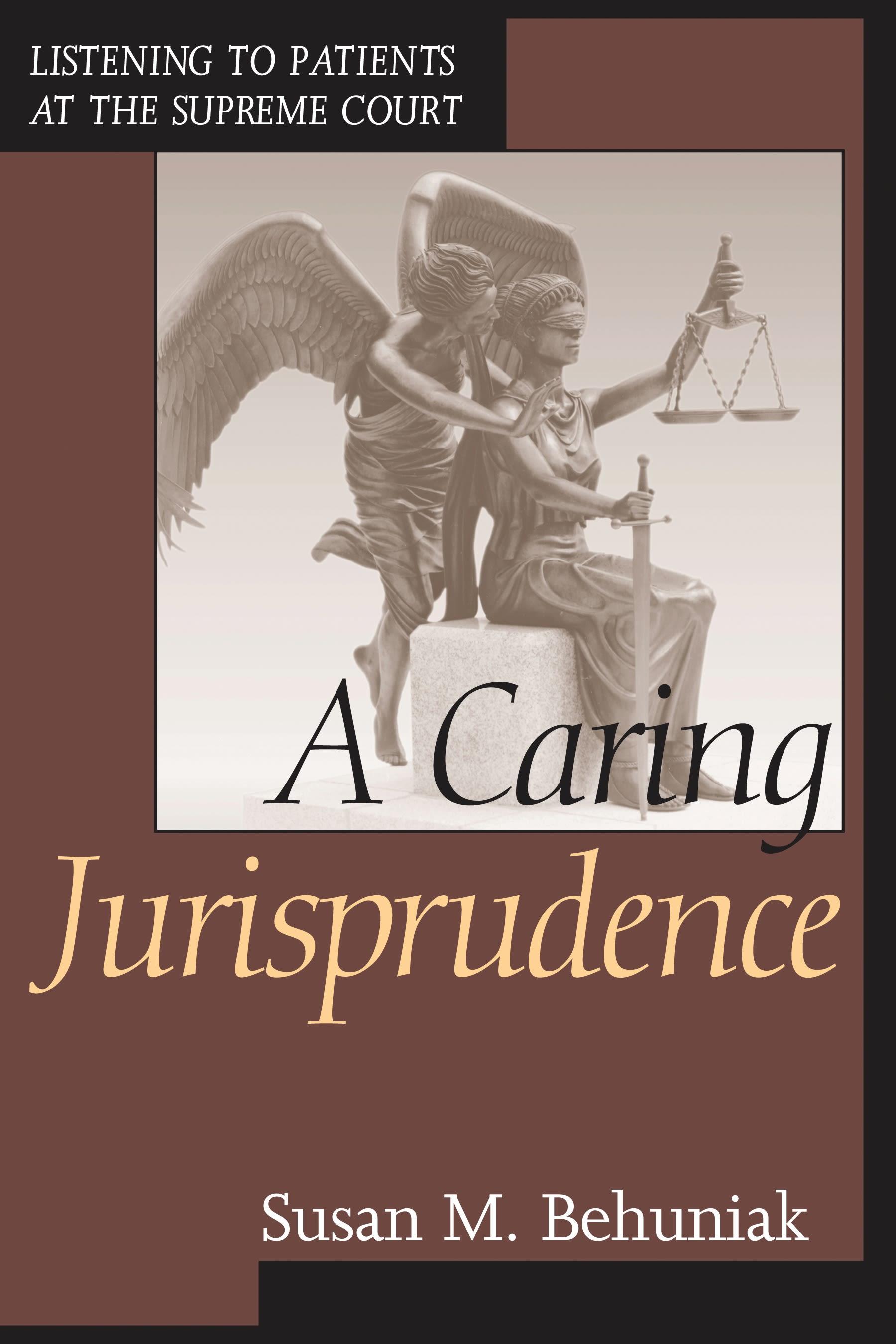
In deciding the abortion and physician assisted suicide cases, a majority of the Justices of the United States Supreme Court drew on medical knowledge to inform their opinions while dismissing the distinctively different knowledge offered by patients. Following the legal norms derived from the ethic of justice, the CourtOs deference toward the Ouniversal,O Oimpartial,O and OreasonedO knowledge of the medical profession and its disregard of the Oparticular,O Oinvolved,O and OemotionalO knowledge of patients seemed inevitable as well as justified. But was it? This book argues that it is both possible and proper to develop a jurisprudence capable of incorporating the knowledge of patients. Drawing on feminist scholarship, this book proposes a model for a Ocaring jurisprudenceO that integrates the ethic of justice and the ethic of care to ensure that patientsO knowledge is included in judicial decision making.
Betaal eenvoudig met kaart, Klarna, Apple Pay of Google Pay. Niet tevreden? Je hebt altijd 14 dagen bedenktijd. Lees meer in onze voorwaarden. Heb je vragen, mail ons dan via hello@memmo.org.
Memmo maakt studeren makkelijker – waar je ook bent ter wereld. Wij brengen je cursusboeken en slimme studietools samen op één plek: samenvattingen, quizzen, podcasts en flashcards. En Ted, je studievriend die antwoord geeft op alles wat je je afvraagt. Meer dan 50.000 studenten studeren hier al – gebouwd om je sneller te laten leren en minder stress te geven.