
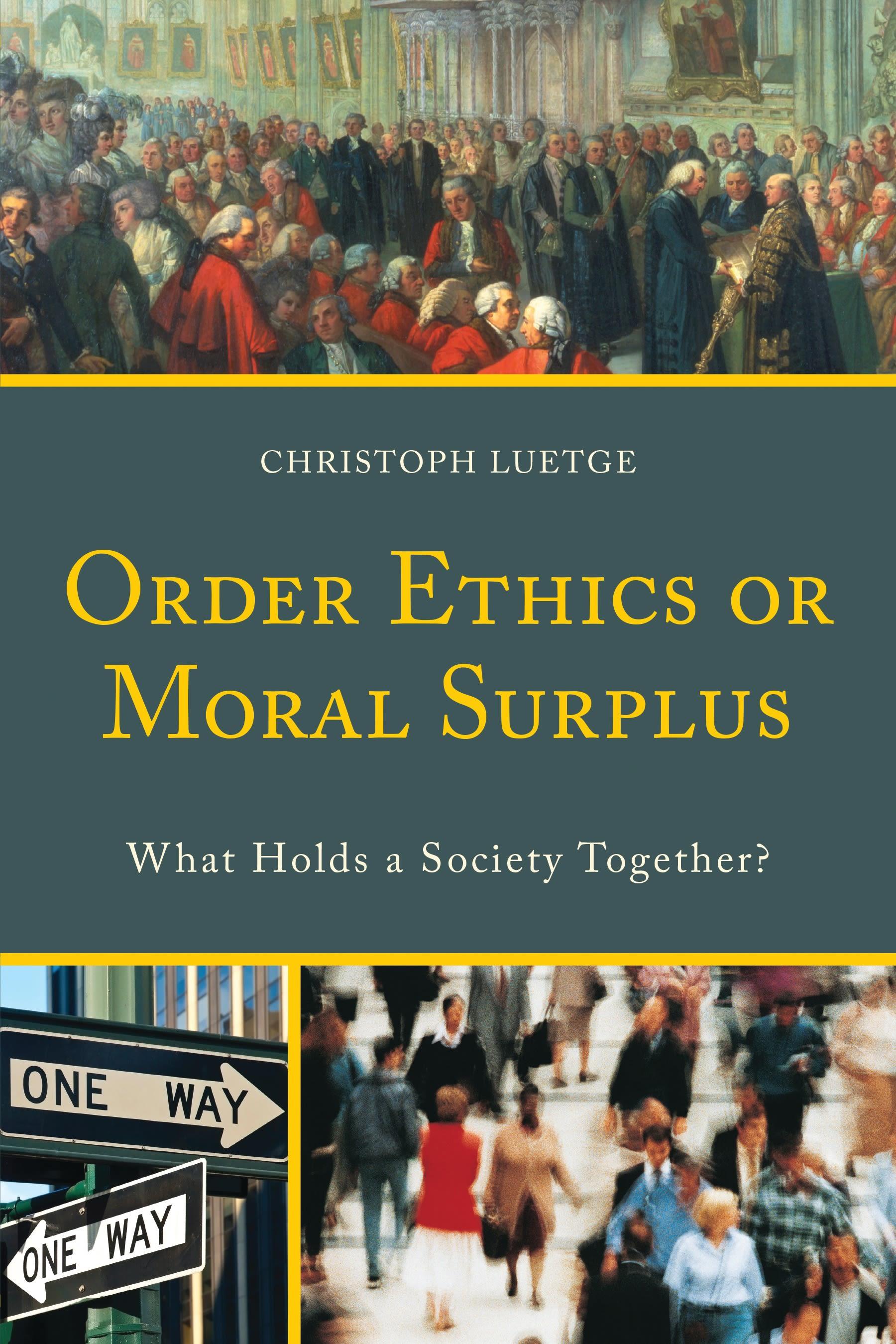
Christoph Luetge takes on a fundamental problem of contemporary political philosophy and ethics. He questions the often implicit assumption of many contemporary political philosophers according to which a society needs its citizens to adopt some shared basic qualities, views or capabilities (here termed a moral surplus). Luetge examines the respective theories of, among others, Habermas, Rawls, Gauthier, Buchanan, and Binmore with a focus on their respective moral surpluses. He finds that each moral surplus is either not necessary for the stability of societies or cannot remain stable when faced with opposing incentives. Binmore’s idea of empathy is the only one that is, at least partly, not confronted with this dilemma. Luetge provides an alternative view termed order ethics, which weakens the necessary assumptions for modern societies and basically only relies on mutual advantages as the fundamental basis of society.
Betaal eenvoudig met kaart, Klarna, Apple Pay of Google Pay. Niet tevreden? Je hebt altijd 14 dagen bedenktijd. Lees meer in onze voorwaarden. Heb je vragen, mail ons dan via hello@memmo.org.
Memmo maakt studeren makkelijker – waar je ook bent ter wereld. Wij brengen je cursusboeken en slimme studietools samen op één plek: samenvattingen, quizzen, podcasts en flashcards. En Ted, je studievriend die antwoord geeft op alles wat je je afvraagt. Meer dan 50.000 studenten studeren hier al – gebouwd om je sneller te laten leren en minder stress te geven.