
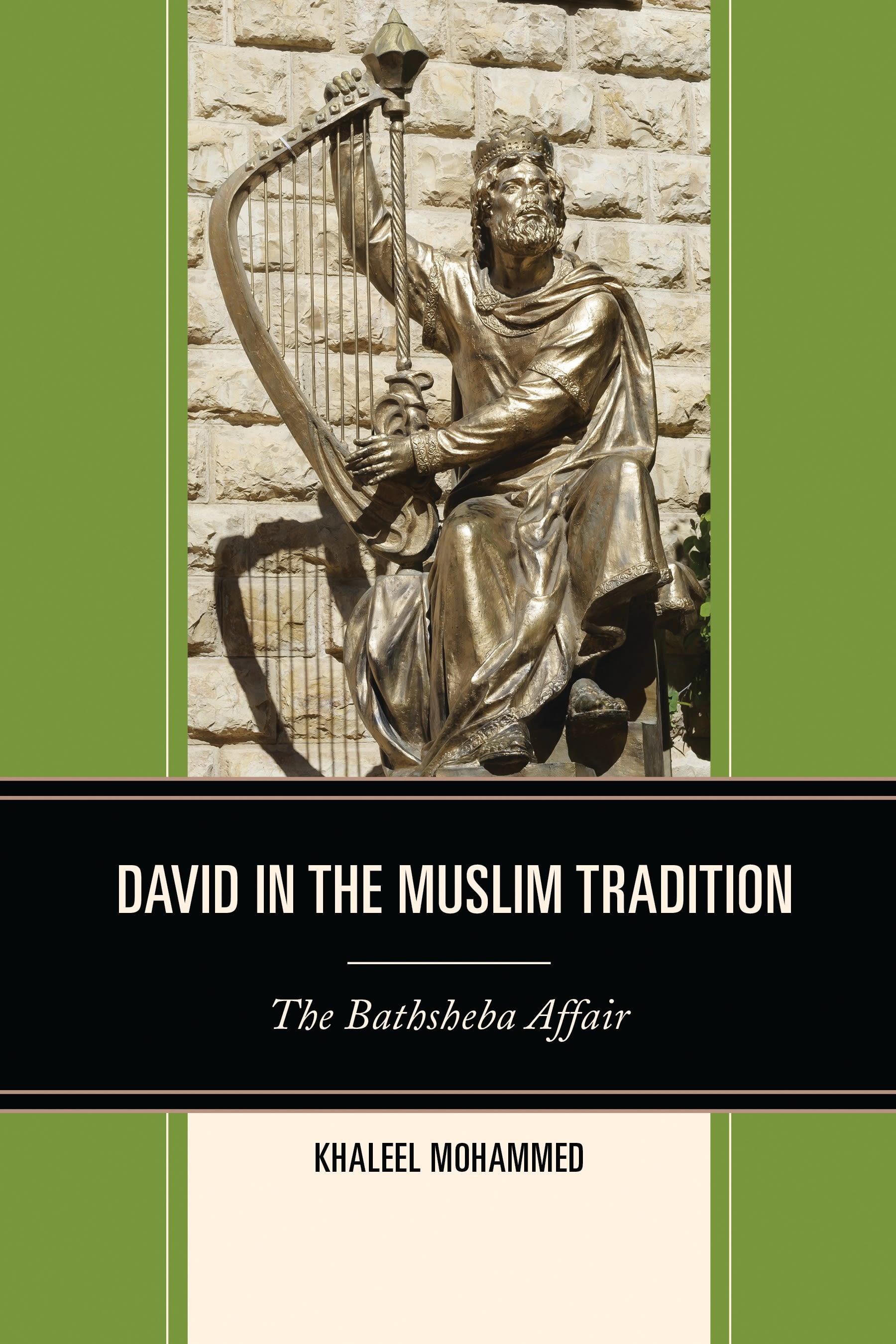
In Chapter 38:21-25, the Qur’an relates a very short narrative about the biblical King David’s seeking and receiving God’s forgiveness. The earliest Muslim exegetes interpreted the qur’anic verses as referring to the Hebrew Bible’s story of David’s adultery with Bathsheba, as related in 2 Samuel 12:1-13. Later Muslims, however, having developed the concept of prophetic impeccability, radically reinterpreted those verses to show David as innocent of any wrongdoing since, in the Muslim tradition, he is not only a king, but a prophet as well. David in the Muslim Tradition: The Bathsheba Affair outlines the approach of the Qur’an to shared scriptures, and provides a detailed look at the development of the exegetical tradition and the factors that influenced such exegesis. By establishing four distinct periods of exegesis, Khaleel Mohammed examines the most famous explanations in each stratum to show the metamorphosis from blame to exculpation. He shows that the Muslim development is not unique, but is very much in following the Jewish and Christian traditions, wherein a similar sanitization of David’s image has occurred.
Betaal eenvoudig met kaart, Klarna, Apple Pay of Google Pay. Niet tevreden? Je hebt altijd 14 dagen bedenktijd. Lees meer in onze voorwaarden. Heb je vragen, mail ons dan via hello@memmo.org.
Memmo maakt studeren makkelijker – waar je ook bent ter wereld. Wij brengen je cursusboeken en slimme studietools samen op één plek: samenvattingen, quizzen, podcasts en flashcards. En Ted, je studievriend die antwoord geeft op alles wat je je afvraagt. Meer dan 50.000 studenten studeren hier al – gebouwd om je sneller te laten leren en minder stress te geven.