
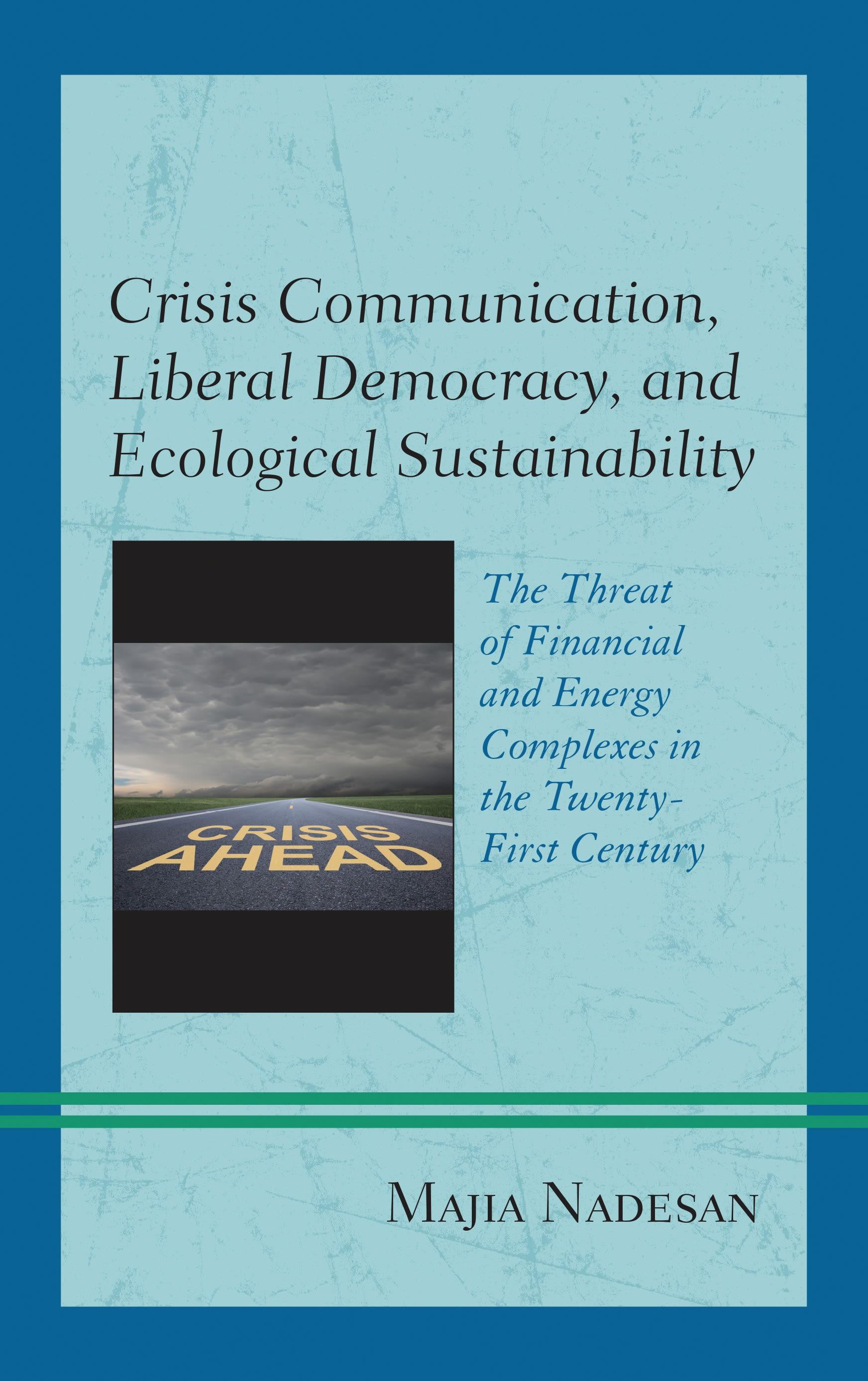
Crisis Communication, Liberal Democracy, and Ecological Sustainability provides a detailed and empirical analysis of the institutions, governing logics, risk-management practices, and crisis communication strategies involved in the 2007–2008 financial crisis, the 2010 BP oil crisis, and the 2011 Fukushima Daiichi nuclear crisis. These human-engineered crises threaten sustainability through resource depletion, environmental degradation, and the growth of geo-political conflicts. Yet, the corporations responsible have returned to profitability by externalizing risks to communities and governments. In response to this pattern of crisis management, Nadesan argues that contemporary financial and energy complexes pose significant threats to liberal democracy and ecological sustainability. This book will be of interest to scholars of communication studies, cultural studies, sociology, political science, anthropology, and economics.
Betaal eenvoudig met kaart, Klarna, Apple Pay of Google Pay. Niet tevreden? Je hebt altijd 14 dagen bedenktijd. Lees meer in onze voorwaarden. Heb je vragen, mail ons dan via hello@memmo.org.
Memmo maakt studeren makkelijker – waar je ook bent ter wereld. Wij brengen je cursusboeken en slimme studietools samen op één plek: samenvattingen, quizzen, podcasts en flashcards. En Ted, je studievriend die antwoord geeft op alles wat je je afvraagt. Meer dan 50.000 studenten studeren hier al – gebouwd om je sneller te laten leren en minder stress te geven.