
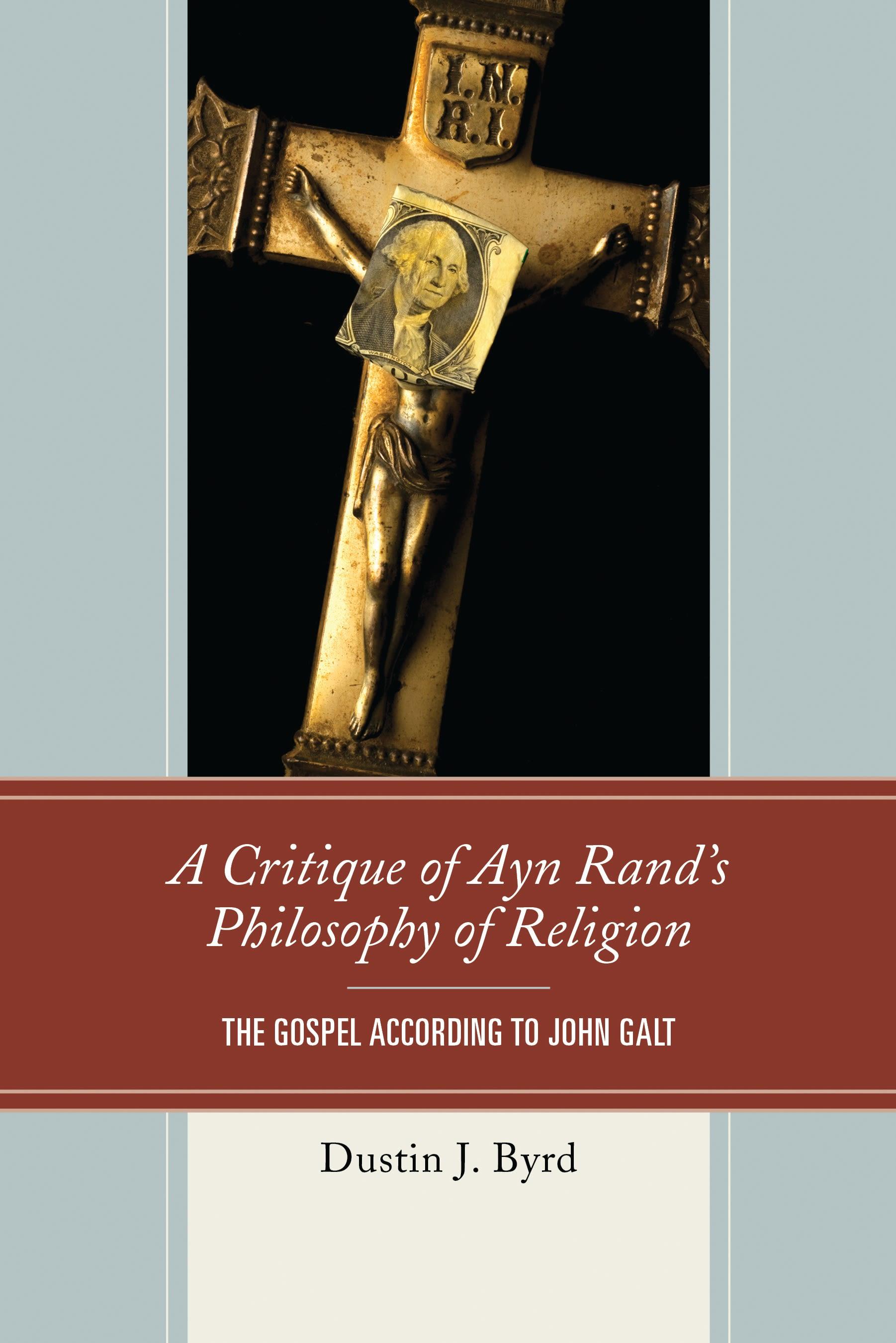
Ayn Rand’s philosophy has once again found an important part on the American political stage. With the rise of the Tea Party movement, her political and economic philosophy has infused the American public discourse with a new Libertarian vitality. Ironically, many of her new followers identify themselves as committed Christians, a prospect that Rand herself would have rejected. This book critically reviews Rand’s secular-atheist philosophy of religion, which includes her theory of altruism, collectivism, and statism, and asks the questions: How did Ayn Rand become conservative Christians’ favorite atheist?; Can Christianity, or any other prophetic religion, be reconciled with her philosophy of greed, selfishness, and capitalism?; Can one be both a Christian and a dedicated follower of Ayn Rand?; Can one appropriate her political and economic philosophy while rejecting her radical atheism and anti-religious stance?
Betaal eenvoudig met kaart, Klarna, Apple Pay of Google Pay. Niet tevreden? Je hebt altijd 14 dagen bedenktijd. Lees meer in onze voorwaarden. Heb je vragen, mail ons dan via hello@memmo.org.
Memmo maakt studeren makkelijker – waar je ook bent ter wereld. Wij brengen je cursusboeken en slimme studietools samen op één plek: samenvattingen, quizzen, podcasts en flashcards. En Ted, je studievriend die antwoord geeft op alles wat je je afvraagt. Meer dan 50.000 studenten studeren hier al – gebouwd om je sneller te laten leren en minder stress te geven.