
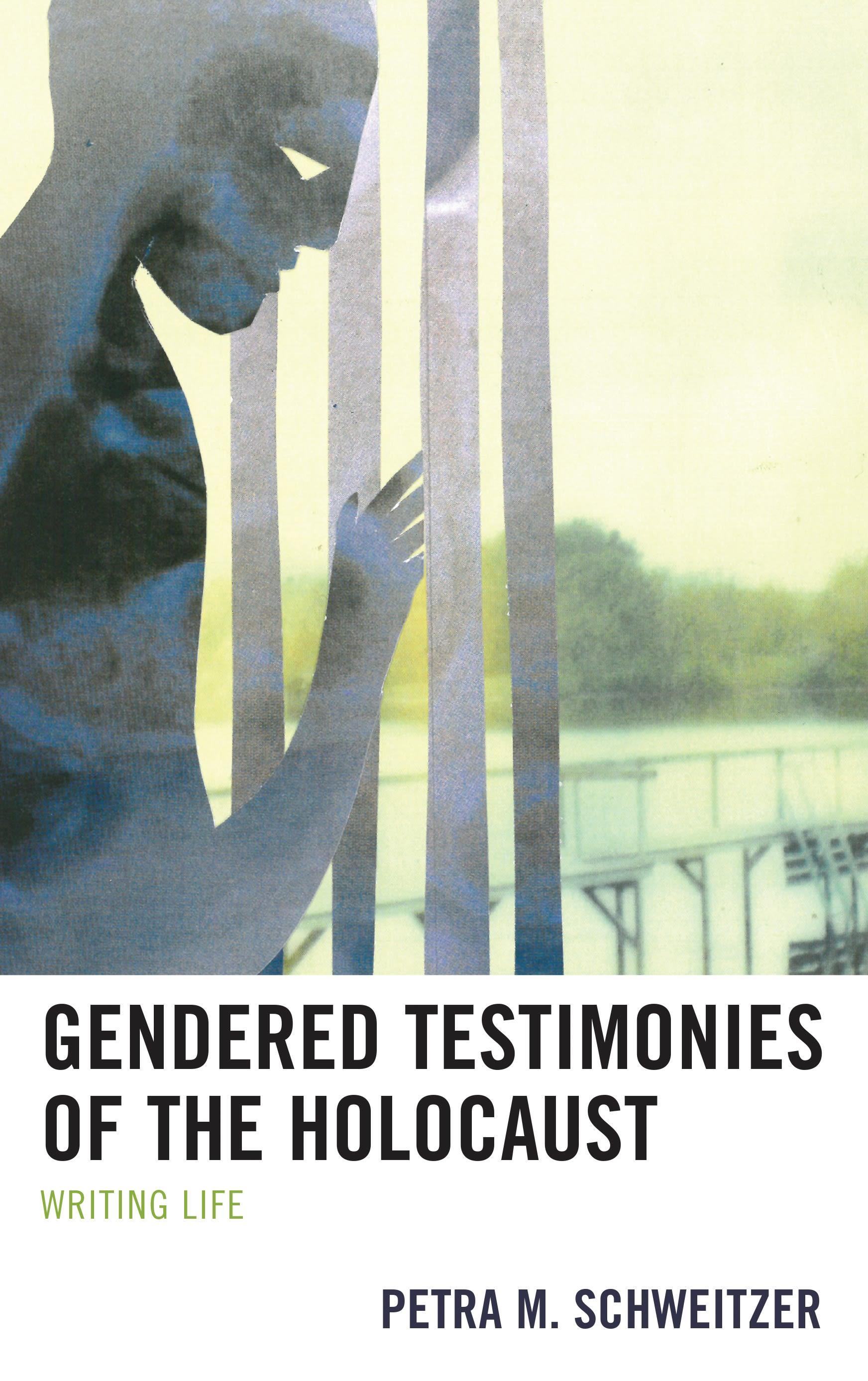
Gendered Testimonies of the Holocaust: Writing Life begins with the premise that writing proves virtually synonymous with survival, bearing the traces of life and of death carried within those who survived the atrocities of the Nazis. In reading specific testimonies by survivor-writers Paul Celan, Charlotte Delbo, Olga Lengyel, Gisella Perl, and Dan Pagis, this text seeks to answer the question: How was it possible for these survivors to write about human destruction, if death is such an intimate part of the survivors’ survival?
This book shows how the works of these survivors arise creatively from a vigorous spark, the desire to preserve memory. Testimony for each of these writers is a form of relation to oneself but also to others. It situates each survivor’s anguish in writing as a need to write so as to affirm life. Writing as such always bears witness to the life of the one who should be dead by now and thus to the miracle of having survived.
This book’s claim is that the act of writing testimony manifests itself as the most intensive form of life possible. More specifically, its exploration of writing’s affirmation of life and assertion of identity focuses on the gendered dimension of expression and language. This book does not engage in the binary structure of gender and the hierarchically constructed roles in terms of privileging the male over the female. The criteria that guide its discussion on Gendered Testimonies emerge out of Levinas’s concept of maternity.
This book shows how the works of these survivors arise creatively from a vigorous spark, the desire to preserve memory. Testimony for each of these writers is a form of relation to oneself but also to others. It situates each survivor’s anguish in writing as a need to write so as to affirm life. Writing as such always bears witness to the life of the one who should be dead by now and thus to the miracle of having survived.
This book’s claim is that the act of writing testimony manifests itself as the most intensive form of life possible. More specifically, its exploration of writing’s affirmation of life and assertion of identity focuses on the gendered dimension of expression and language. This book does not engage in the binary structure of gender and the hierarchically constructed roles in terms of privileging the male over the female. The criteria that guide its discussion on Gendered Testimonies emerge out of Levinas’s concept of maternity.
Pagina's: 152
Categorie: Kultur-, Genus- & Postkoloniala studier
e-ISBN: 9780739190081
Verzendgewicht: 1.2 kg
Verzending binnen: 1-2 dagen
Betaal eenvoudig met kaart, Klarna, Apple Pay of Google Pay. Niet tevreden? Je hebt altijd 14 dagen bedenktijd. Lees meer in onze voorwaarden. Heb je vragen, mail ons dan via hello@memmo.org.
Memmo maakt studeren makkelijker – waar je ook bent ter wereld. Wij brengen je cursusboeken en slimme studietools samen op één plek: samenvattingen, quizzen, podcasts en flashcards. En Ted, je studievriend die antwoord geeft op alles wat je je afvraagt. Meer dan 50.000 studenten studeren hier al – gebouwd om je sneller te laten leren en minder stress te geven.