
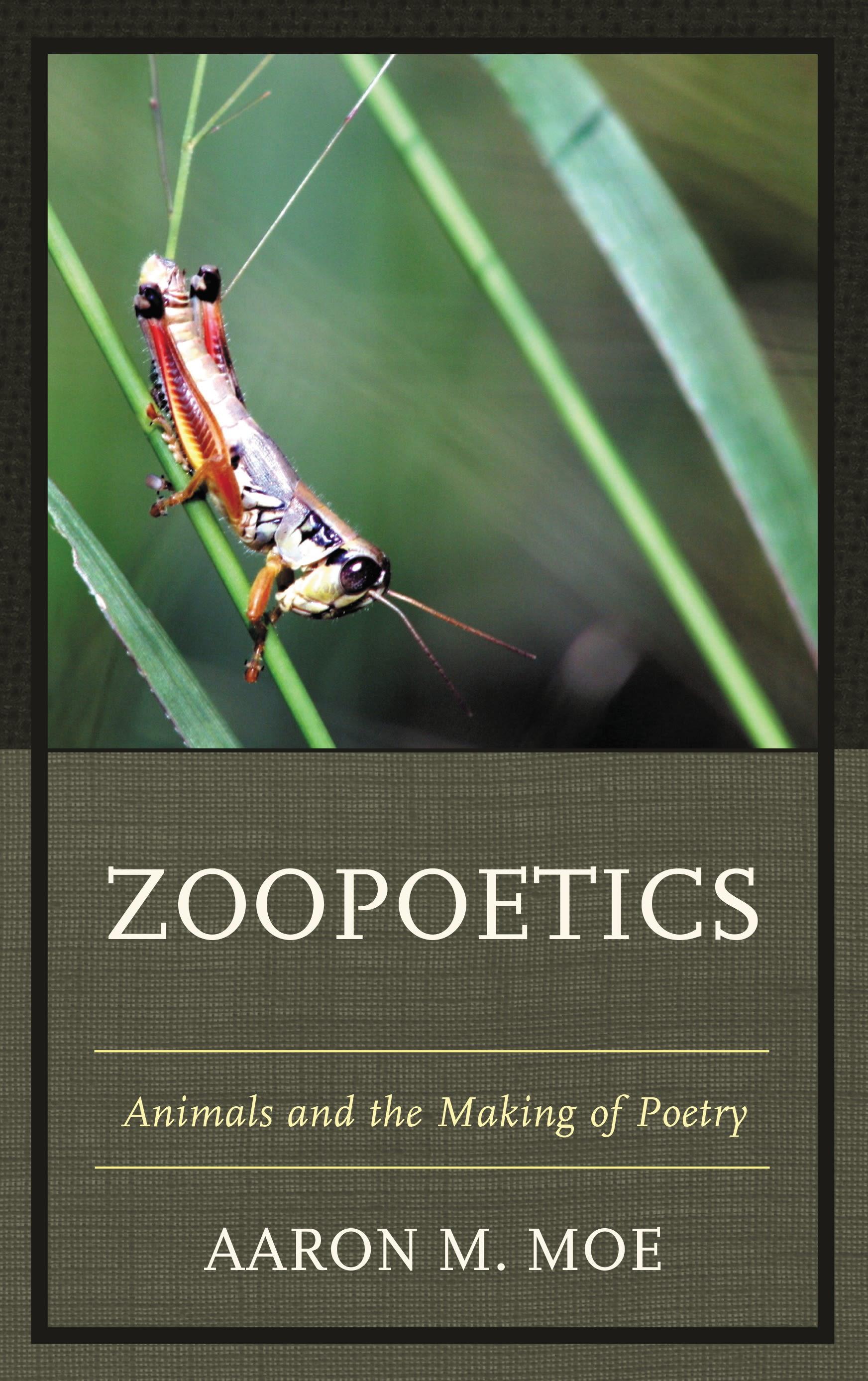
Zoopoetics assumes Aristotle was right. The general origin of poetry resides, in part, in the instinct to imitate. But it is an innovative imitation. An exploration of the oeuvres of Walt Whitman, E. E. Cummings, W. S. Merwin, and Brenda Hillman reveals the many places where an imitation of another species’ poiesis (Greek, makings) contributes to breakthroughs in poetic form. However, humans are not the only imitators in the animal kingdom. Other species, too, achieve breakthroughs in their makings through an attentiveness to the ways-of-being of other animals. For this reason, mimic octopi, elephants, beluga whales, and many other species join the exploration of what zoopoetics encompasses. Zoopoetics provides further traction for people interested in the possibilities when and where species meet.
Gestures are paramount to zoopoetics. Through the interplay of gestures, the human/animal/textual spheres merge making it possible to recognize how actual, biological animals impact the material makings of poetry. Moreover, as many species are makers, zoopoetics expands the poetic tradition to include nonhuman poiesis.
Gestures are paramount to zoopoetics. Through the interplay of gestures, the human/animal/textual spheres merge making it possible to recognize how actual, biological animals impact the material makings of poetry. Moreover, as many species are makers, zoopoetics expands the poetic tradition to include nonhuman poiesis.
Betaal eenvoudig met kaart, Klarna, Apple Pay of Google Pay. Niet tevreden? Je hebt altijd 14 dagen bedenktijd. Lees meer in onze voorwaarden. Heb je vragen, mail ons dan via hello@memmo.org.
Memmo maakt studeren makkelijker – waar je ook bent ter wereld. Wij brengen je cursusboeken en slimme studietools samen op één plek: samenvattingen, quizzen, podcasts en flashcards. En Ted, je studievriend die antwoord geeft op alles wat je je afvraagt. Meer dan 50.000 studenten studeren hier al – gebouwd om je sneller te laten leren en minder stress te geven.