
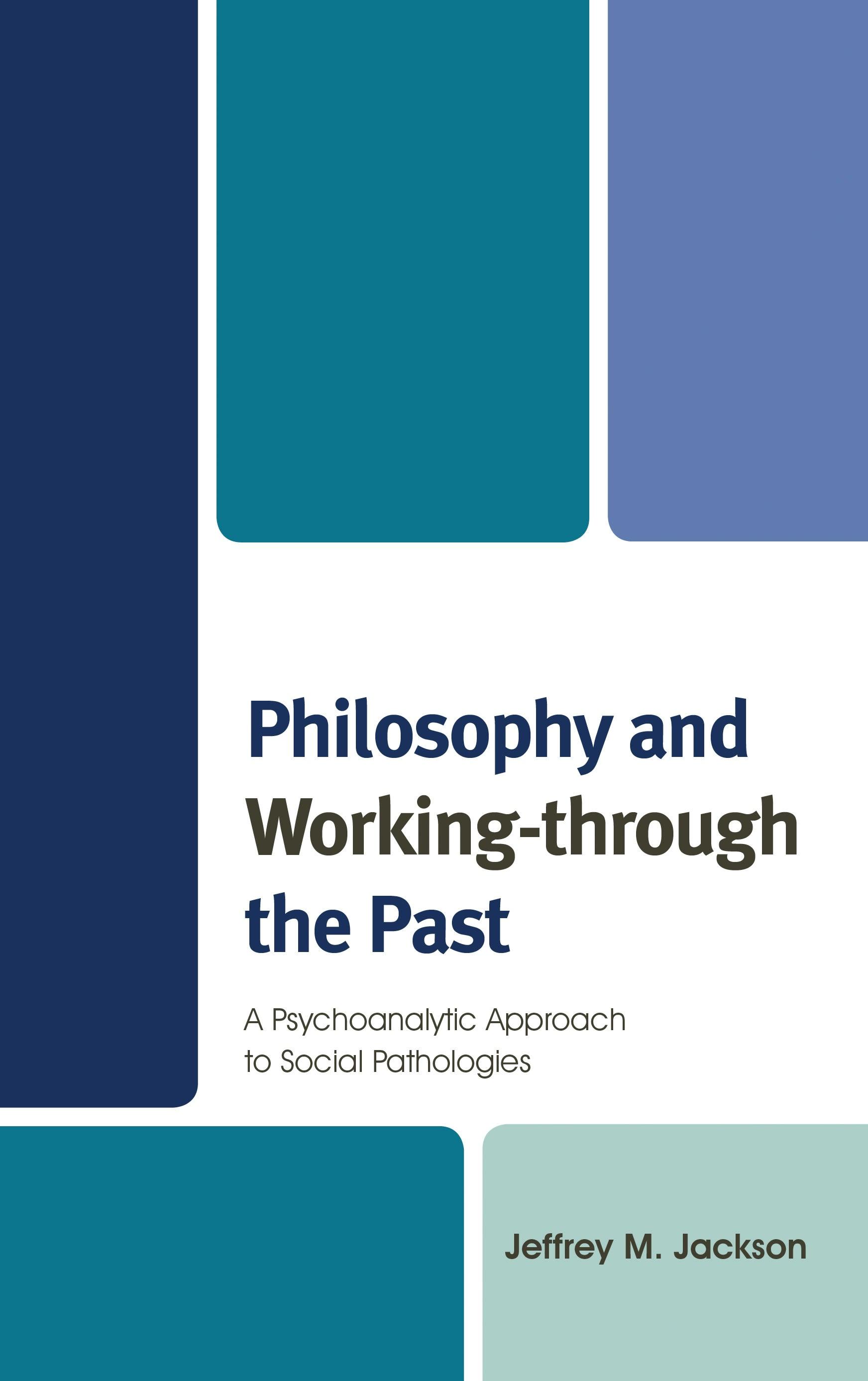
At certain moments in his political essays, Kant conceives of socio-historical emancipation as a process of working ourselves out of pathological legacies, suggesting that emancipation would involve a process of working through our affective attachments to entrenched, regressive social arrangements. Jackson shows how Freud’s analyses of melancholia, mania and the work of mourning can contribute to an understanding of key dimensions of such pathological social fixations, as well as the possibility of working through the past. This book argues that bringing Freud’s provocative analyses of loss to bear on particular philosophical treatments of history leads to a more coherent, psychoanalytically informed understanding of history. Although Freud does not himself integrate these themes into a theory of socio-political emancipation, his thinking nonetheless can be read as contributing to such a theory. To develop this idea the book draws on thinkers such as Karl Marx, Theodor Adorno, Edmund Husserl, Martin Heidegger, Axel Honneth, and Judith Butler. The book engages students and scholars of contemporary continental philosophy by arguing for connections between psychoanalysis, philosophy, and critical theory.
Betaal eenvoudig met kaart, Klarna, Apple Pay of Google Pay. Niet tevreden? Je hebt altijd 14 dagen bedenktijd. Lees meer in onze voorwaarden. Heb je vragen, mail ons dan via hello@memmo.org.
Memmo maakt studeren makkelijker – waar je ook bent ter wereld. Wij brengen je cursusboeken en slimme studietools samen op één plek: samenvattingen, quizzen, podcasts en flashcards. En Ted, je studievriend die antwoord geeft op alles wat je je afvraagt. Meer dan 50.000 studenten studeren hier al – gebouwd om je sneller te laten leren en minder stress te geven.