
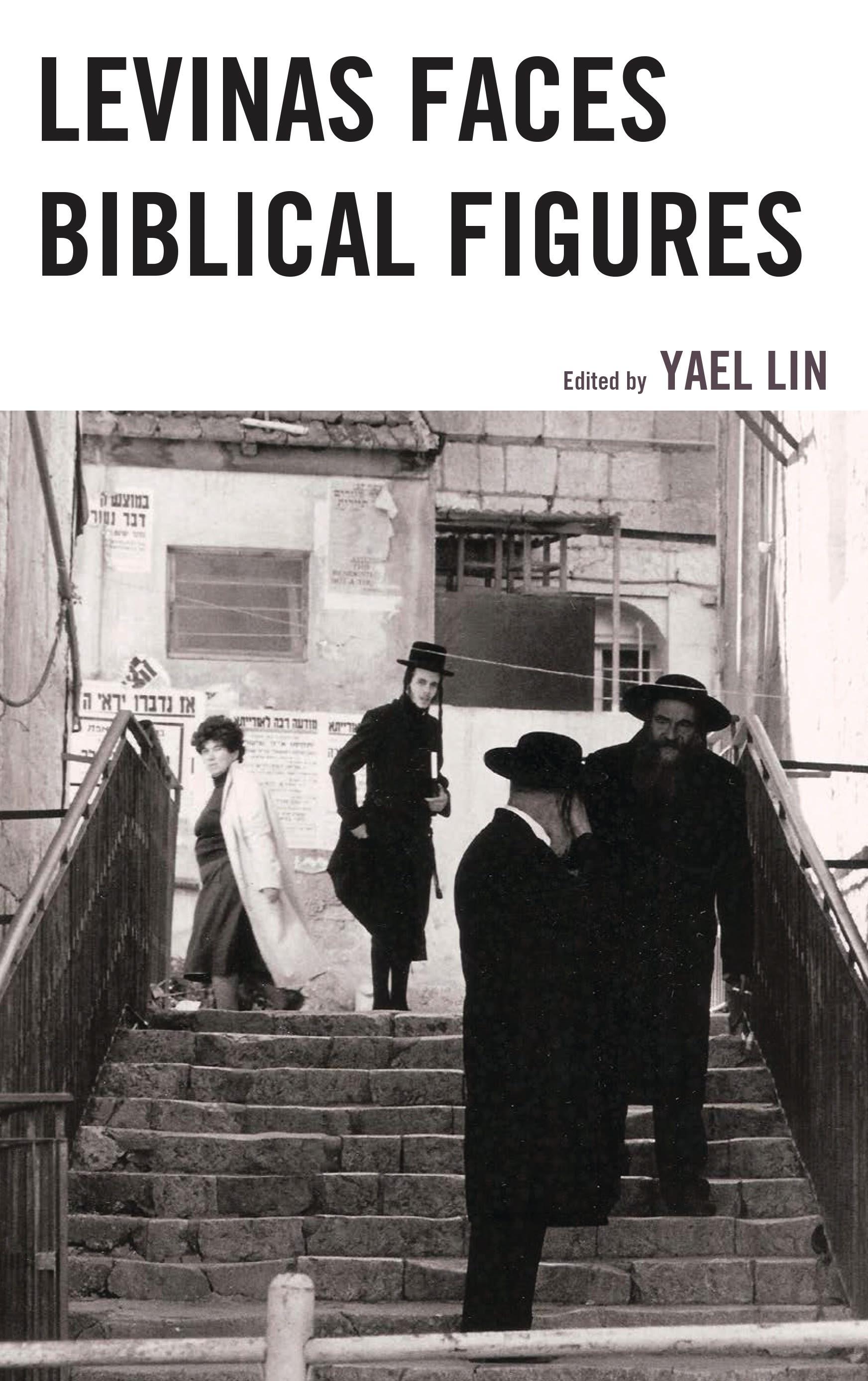
This collection of essays is an attempt to capture the drama of the encounter, of the 'facing' of Levinas and the biblical text. It seeks to link Jewish experience and Levinasian themes such as responsibility, substitution, hospitality, suffering and forgiveness, and at the same time make the biblical text accessible in a new way.
The book offers new insights on the opening up of Levinas's thought and biblical stories to one another; it considers the ways in which Levinas can open up the biblical text to requestioning, and how the biblical text can inform our reading of Levinas. Setting up in dialogue the heteronomic texts – the narrative texts of the bible and Levinas's philosophical texts – allows an enforced and renewed understanding of both. The examination of these issues is pursued from diverse perspectives and disciplines, probing the role biblical figures play in Levinas's thought and the manner by which to approach them. Do the biblical allusions serve in Levinas's thought merely as a rhetorical and literary device, as illustrations of his ideas, or perhaps they have a deeper philosophical meaning, which contributes to his project in general? Do the references to biblical figures work in Levinas's philosophy in a way that other literary figures are incapable of, and how do these references comply with his conflicted attitude towards literature?
The book offers new insights on the opening up of Levinas's thought and biblical stories to one another; it considers the ways in which Levinas can open up the biblical text to requestioning, and how the biblical text can inform our reading of Levinas. Setting up in dialogue the heteronomic texts – the narrative texts of the bible and Levinas's philosophical texts – allows an enforced and renewed understanding of both. The examination of these issues is pursued from diverse perspectives and disciplines, probing the role biblical figures play in Levinas's thought and the manner by which to approach them. Do the biblical allusions serve in Levinas's thought merely as a rhetorical and literary device, as illustrations of his ideas, or perhaps they have a deeper philosophical meaning, which contributes to his project in general? Do the references to biblical figures work in Levinas's philosophy in a way that other literary figures are incapable of, and how do these references comply with his conflicted attitude towards literature?
Pagina's: 236
Categorie: Filosofi
e-ISBN: 9780739182833
Verzendgewicht: 1.2 kg
Verzending binnen: 1-2 dagen
Betaal eenvoudig met kaart, Klarna, Apple Pay of Google Pay. Niet tevreden? Je hebt altijd 14 dagen bedenktijd. Lees meer in onze voorwaarden. Heb je vragen, mail ons dan via hello@memmo.org.
Memmo maakt studeren makkelijker – waar je ook bent ter wereld. Wij brengen je cursusboeken en slimme studietools samen op één plek: samenvattingen, quizzen, podcasts en flashcards. En Ted, je studievriend die antwoord geeft op alles wat je je afvraagt. Meer dan 50.000 studenten studeren hier al – gebouwd om je sneller te laten leren en minder stress te geven.