
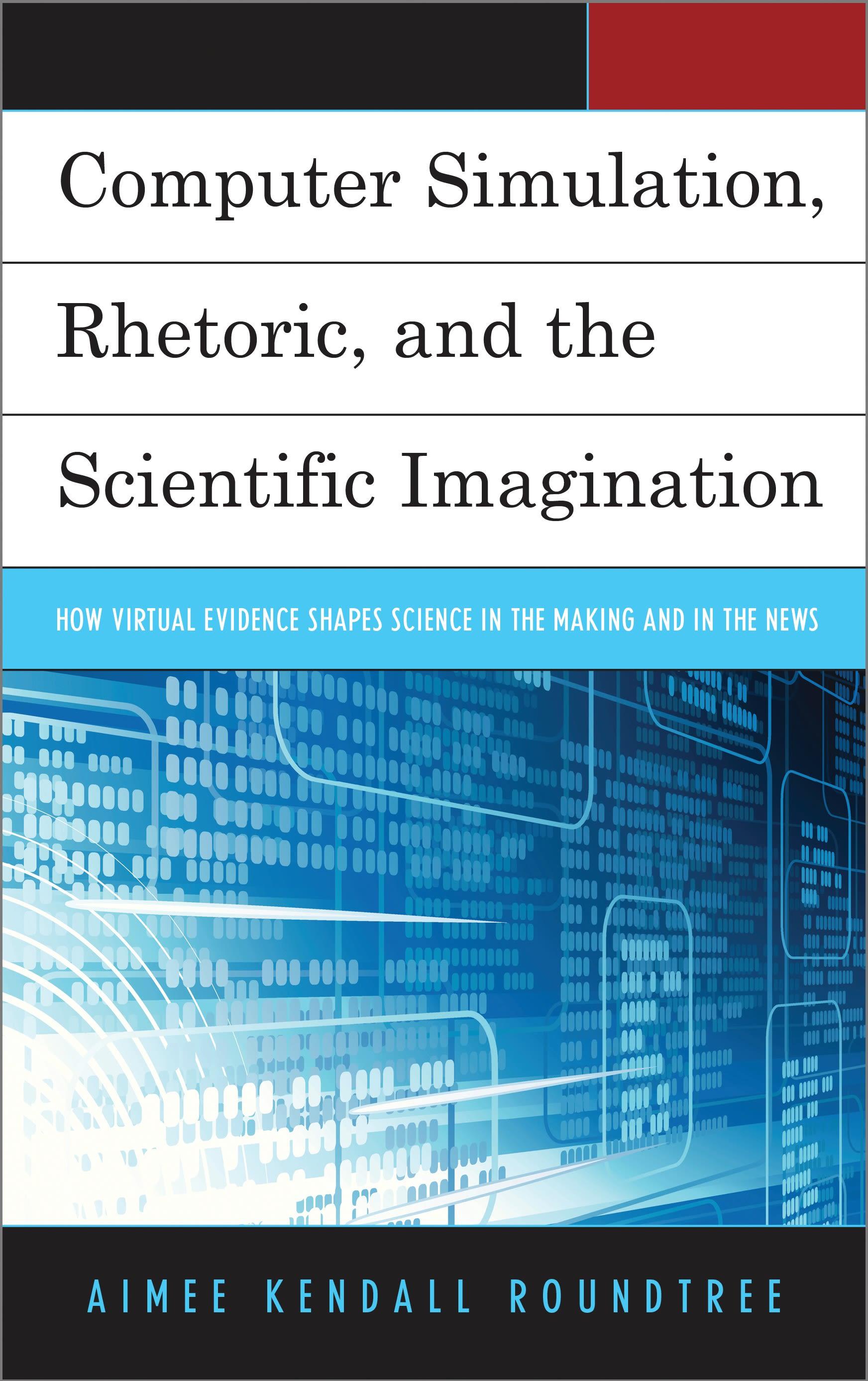
Computer simulations help advance climatology, astrophysics, and other scientific disciplines. They are also at the crux of several high-profile cases of science in the news. How do simulation scientists, with little or no direct observations, make decisions about what to represent? What is the nature of simulated evidence, and how do we evaluate its strength? Aimee Kendall Roundtree suggests answers in Computer Simulation, Rhetoric, and the Scientific Imagination. She interprets simulations in the sciences by uncovering the argumentative strategies that underpin the production and dissemination of simulated findings. She also explains how subjective and social influences do not diminish simulations’ virtue or power to represent the real thing. Along the way, Roundtree situates computer simulations within the scientific imagination alongside paradoxes, thought experiments, and metaphors. A cogent rhetorical analysis, Computer Simulation, Rhetoric, and the Scientific Imagination engages scholars of the rhetoric of science, technology, and new and digital media, but it is also accessible to the general public interested in debates over hurricane preparedness and climate change.
Betaal eenvoudig met kaart, Klarna, Apple Pay of Google Pay. Niet tevreden? Je hebt altijd 14 dagen bedenktijd. Lees meer in onze voorwaarden. Heb je vragen, mail ons dan via hello@memmo.org.
Memmo maakt studeren makkelijker – waar je ook bent ter wereld. Wij brengen je cursusboeken en slimme studietools samen op één plek: samenvattingen, quizzen, podcasts en flashcards. En Ted, je studievriend die antwoord geeft op alles wat je je afvraagt. Meer dan 50.000 studenten studeren hier al – gebouwd om je sneller te laten leren en minder stress te geven.