
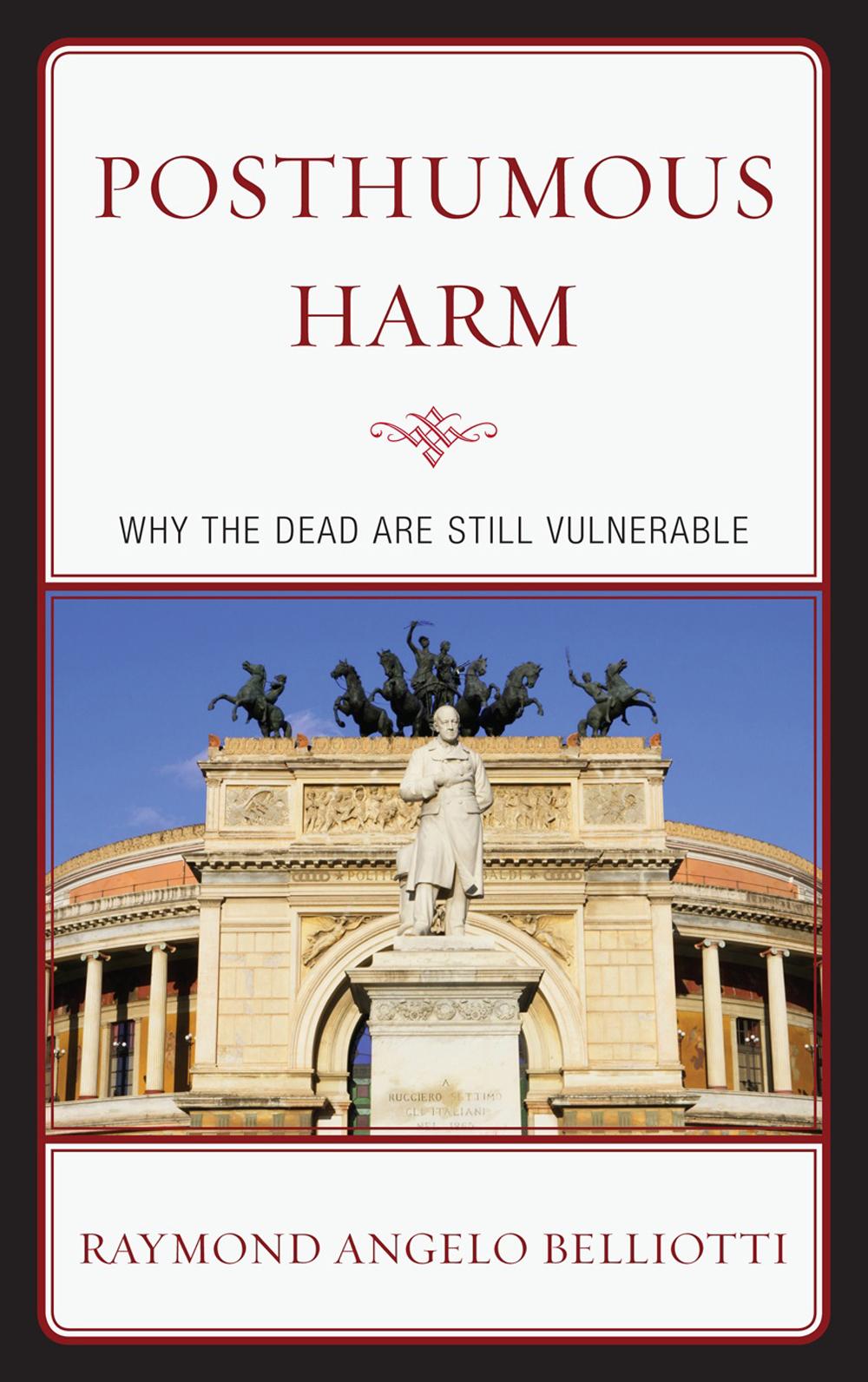
Reasonable people agree that, other things being equal, it is immoral to fail to fulfill deathbed promises, to maliciously defame the dead, and to mistreat corpses. But philosophical controversy swirls over why such acts are morally wrong. Are these acts wrong only because they violate moral norms against breaking promises, lying, and abusing others? Are these acts morally deficient because they wrong the dead? Are these acts morally wrong because they harm or injure the dead? Or are these acts blameworthy because they wrong, harm, or injure those who survive the deaths? Who are the genuine victims, if any, of these morally wrong acts?
When first confronting such questions seriously, we discover paradoxes. On one hand, we are inclined to think that the dead person is in some sense wronged, harmed, or injured by posthumous treachery. After all, when a promise is broken, when someone is maliciously defamed, and when someone’s request concerning the disposition of his remains is dismissed, we are inclined to think of the victims as the promisee, the defamed person, and the ignored person, respectively. On the other hand, in the case of the dead there are no “people” who might be identified as victims. Assuming that death marks finality, once we are dead we are no more. So perhaps the typical moral paradigms dissolve in such cases. Posthumous Harm: Why the Deadare Still Vulnerable addresses these issues and the host of questions surrounding them.
When first confronting such questions seriously, we discover paradoxes. On one hand, we are inclined to think that the dead person is in some sense wronged, harmed, or injured by posthumous treachery. After all, when a promise is broken, when someone is maliciously defamed, and when someone’s request concerning the disposition of his remains is dismissed, we are inclined to think of the victims as the promisee, the defamed person, and the ignored person, respectively. On the other hand, in the case of the dead there are no “people” who might be identified as victims. Assuming that death marks finality, once we are dead we are no more. So perhaps the typical moral paradigms dissolve in such cases. Posthumous Harm: Why the Deadare Still Vulnerable addresses these issues and the host of questions surrounding them.
Pagina's: 192
Categorie: Filosofi
e-ISBN: 9780739171066
Verzendgewicht: 1.2 kg
Verzending binnen: 1-2 dagen
Betaal eenvoudig met kaart, Klarna, Apple Pay of Google Pay. Niet tevreden? Je hebt altijd 14 dagen bedenktijd. Lees meer in onze voorwaarden. Heb je vragen, mail ons dan via hello@memmo.org.
Memmo maakt studeren makkelijker – waar je ook bent ter wereld. Wij brengen je cursusboeken en slimme studietools samen op één plek: samenvattingen, quizzen, podcasts en flashcards. En Ted, je studievriend die antwoord geeft op alles wat je je afvraagt. Meer dan 50.000 studenten studeren hier al – gebouwd om je sneller te laten leren en minder stress te geven.