
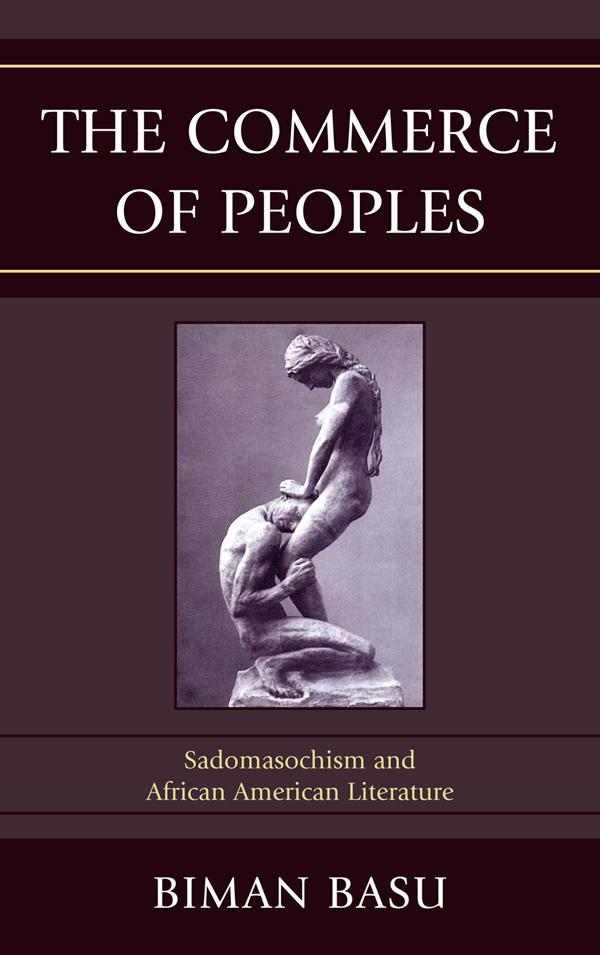
Representations and coverage of S&M have become quite common nowadays, whether we see them in the fashion industry, commercials, the news, on television, film, the internet, and so on. But in the population at large and in the academic community, too, it is still persistently stigmatized. This marginalization, along with its ambivalently persecuted status, is a result, significantly, of a nineteenth century legacy. This legacy begins with Kraftt-Ebing’s designation of sadomasochism, along with gay and lesbian desire, as a perversion, and continues in the popular and expert (mis)understandings which prevail.
More generally, most people today will recognize that all human relations are power relations. Yet most people will also deny this and mask these power relations by invoking all sorts of things, like romantic love, sentimental attachment, companionate marriage, friendship, peace, non-violence, harmony, and the list goes on, ad nauseam. Not that these do not exist in a sadomasochistic relation, but sadomasochists are unflinching in their recognition that all of these are also permeated by power relations. It is not only impossible to purge these relations of power but for sadomasochists it is also undesirable to do so. It is not only more honest to acknowledge the power that saturates these relations but also more instructive in the sense that S&M provides a context in which one learns to exercise power and to submit to it in a responsible way.
Even in scholarly critical and theoretical discussions of S&M, the prevailing opinion is that the power exercised in sadomasochism is not “real.” It is of course not real in the sense that slavery and violence no longer has a legal status. But reality cannot of course be gauged or even approximated by its legal status alone. For most practitioners, it is hard to deny the reality of pain, of humiliation, of degradation, in the moment of its enactment. One can hardly deny the reality of bringing the whip down on someone’s back or of having it sear across one’s buttocks.
More generally, most people today will recognize that all human relations are power relations. Yet most people will also deny this and mask these power relations by invoking all sorts of things, like romantic love, sentimental attachment, companionate marriage, friendship, peace, non-violence, harmony, and the list goes on, ad nauseam. Not that these do not exist in a sadomasochistic relation, but sadomasochists are unflinching in their recognition that all of these are also permeated by power relations. It is not only impossible to purge these relations of power but for sadomasochists it is also undesirable to do so. It is not only more honest to acknowledge the power that saturates these relations but also more instructive in the sense that S&M provides a context in which one learns to exercise power and to submit to it in a responsible way.
Even in scholarly critical and theoretical discussions of S&M, the prevailing opinion is that the power exercised in sadomasochism is not “real.” It is of course not real in the sense that slavery and violence no longer has a legal status. But reality cannot of course be gauged or even approximated by its legal status alone. For most practitioners, it is hard to deny the reality of pain, of humiliation, of degradation, in the moment of its enactment. One can hardly deny the reality of bringing the whip down on someone’s back or of having it sear across one’s buttocks.
Pagina's: 206
Categorie: Kultur-, Genus- & Postkoloniala studier
e-ISBN: 9780739167441
Verzendgewicht: 1.2 kg
Verzending binnen: 1-2 dagen
Betaal eenvoudig met kaart, Klarna, Apple Pay of Google Pay. Niet tevreden? Je hebt altijd 14 dagen bedenktijd. Lees meer in onze voorwaarden. Heb je vragen, mail ons dan via hello@memmo.org.
Memmo maakt studeren makkelijker – waar je ook bent ter wereld. Wij brengen je cursusboeken en slimme studietools samen op één plek: samenvattingen, quizzen, podcasts en flashcards. En Ted, je studievriend die antwoord geeft op alles wat je je afvraagt. Meer dan 50.000 studenten studeren hier al – gebouwd om je sneller te laten leren en minder stress te geven.