
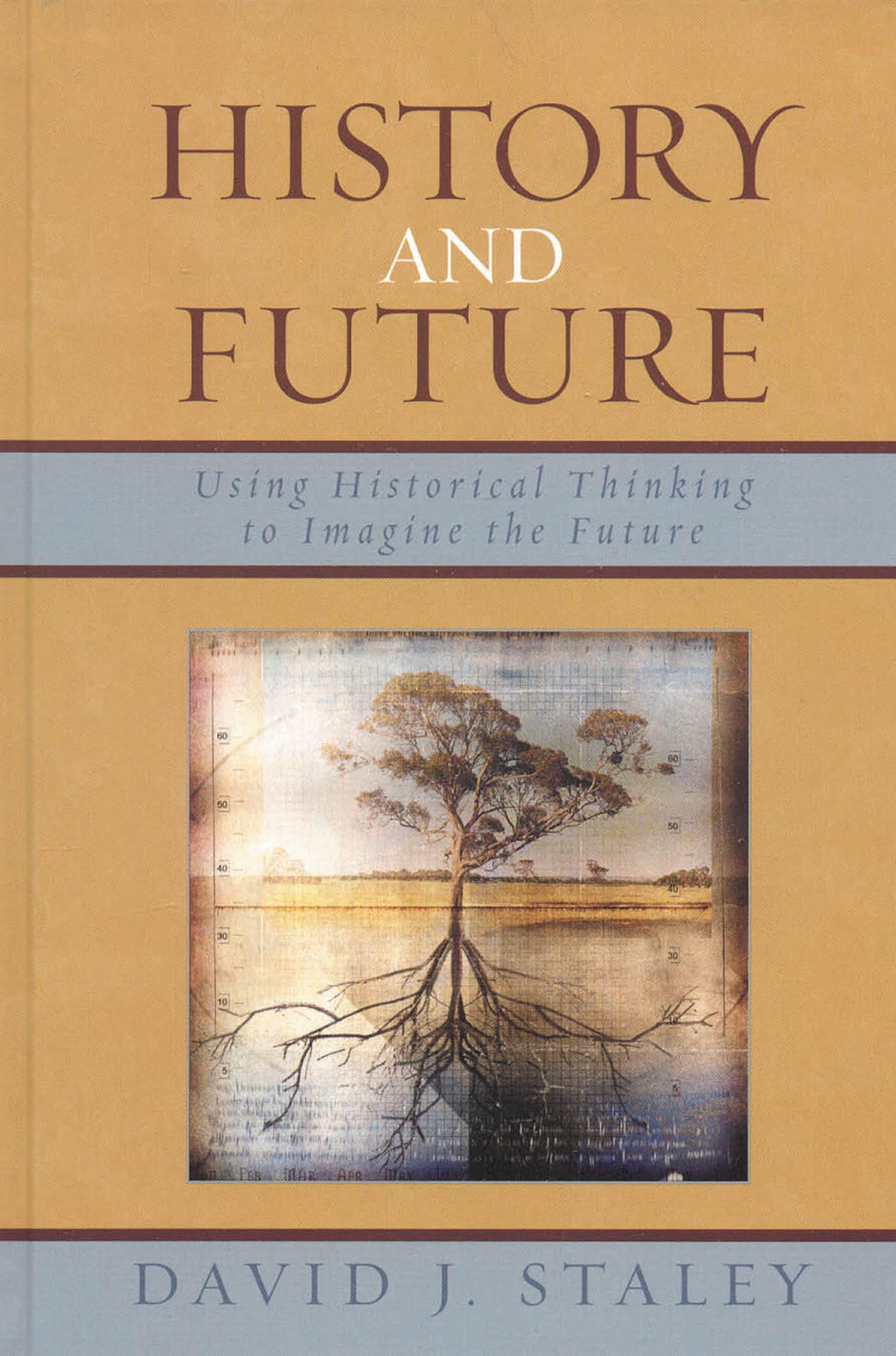
Perhaps the most important histiographic innovation of the twentieth century was the application of the historical method to wider and more expansive areas of the past. Where historians once defined the study of history strictly in terms of politics and the actions and decisions of Great Men, historians today are just as likely to inquire into a much wider domain of the past, from the lives of families and peasants, to more abstract realms such as the history of mentalities and emotions. Historians have applied their method to a wider variety of subjects; regardless of the topic, historians ask questions, seek evidence, draw inferences from that evidence, create representations, and subject these representations to the scrutiny of other historians.
This book severs the historical method from the past altogether by applying that method to a domain outside of the past. The goal of this book is to apply history-as-method to the study of the future, a subject matter domain that most historians have traditionally and vigorously avoided.
Historians have traditionally rejected the idea that we can use the study of history to think about the future. The book reexamines this long held belief, and argues that the historical method is an excellent way to think about and represent the future. At the same time, the book asserts that futurists should not view the future as a scientist might-aiming for predictions and certainties-but rather should view the future in the same way that an historian views the past.
This book severs the historical method from the past altogether by applying that method to a domain outside of the past. The goal of this book is to apply history-as-method to the study of the future, a subject matter domain that most historians have traditionally and vigorously avoided.
Historians have traditionally rejected the idea that we can use the study of history to think about the future. The book reexamines this long held belief, and argues that the historical method is an excellent way to think about and represent the future. At the same time, the book asserts that futurists should not view the future as a scientist might-aiming for predictions and certainties-but rather should view the future in the same way that an historian views the past.
Betaal eenvoudig met kaart, Klarna, Apple Pay of Google Pay. Niet tevreden? Je hebt altijd 14 dagen bedenktijd. Lees meer in onze voorwaarden. Heb je vragen, mail ons dan via hello@memmo.org.
Memmo maakt studeren makkelijker – waar je ook bent ter wereld. Wij brengen je cursusboeken en slimme studietools samen op één plek: samenvattingen, quizzen, podcasts en flashcards. En Ted, je studievriend die antwoord geeft op alles wat je je afvraagt. Meer dan 50.000 studenten studeren hier al – gebouwd om je sneller te laten leren en minder stress te geven.