
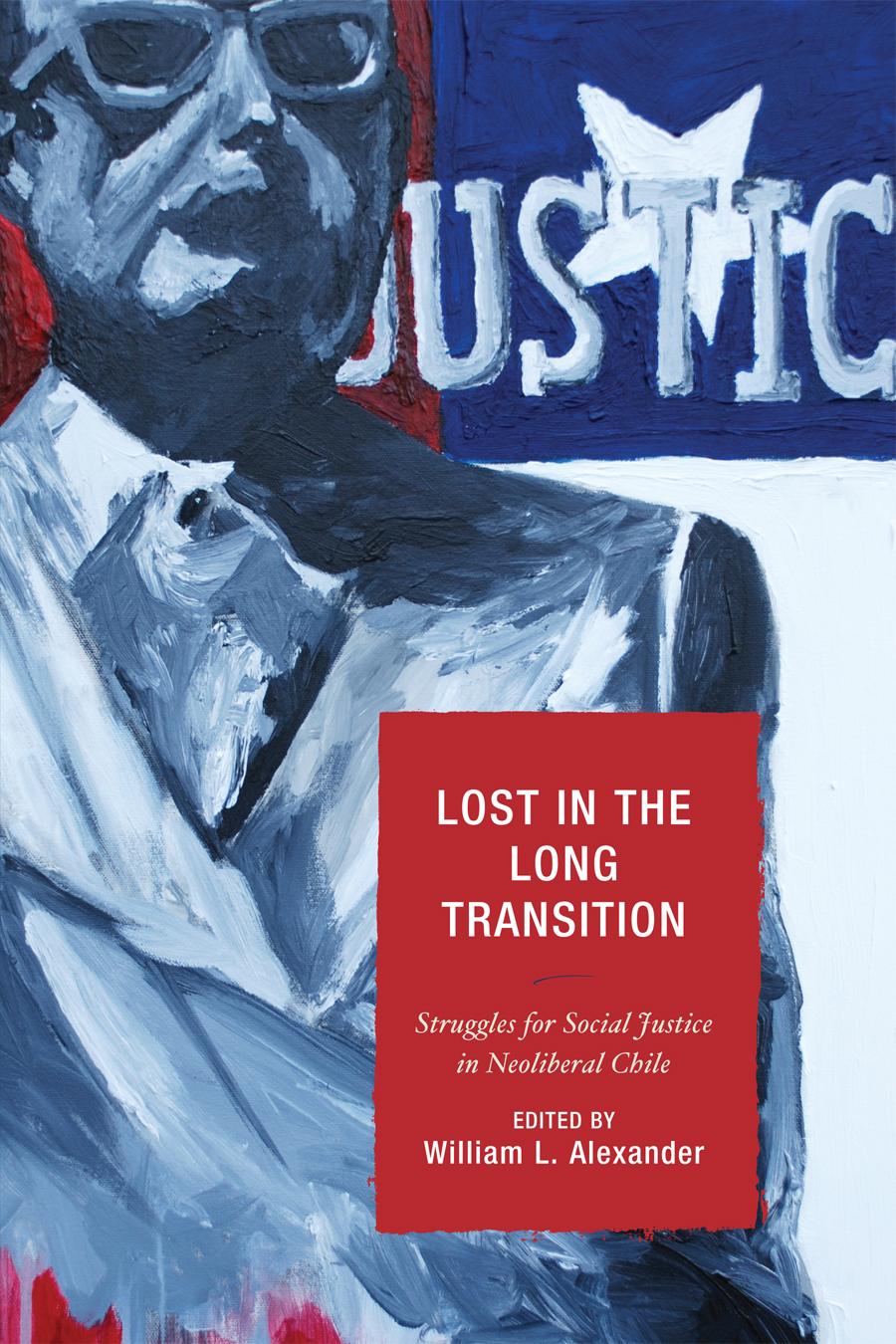
In Lost in the Long Transition, a group of scholars who conducted fieldwork research in post-dictatorship Chile during the transition to democracy critically examine the effects of the country's adherence to neoliberal economic development and social policies. Shifting government responsibility for social services and public resources to the private sector, reducing restrictions on foreign investment, and promoting free trade and export production, neoliberalism began during the Pinochet dictatorship and was adopted across Latin America in the 1980s. With the return of civilian government, the pursuit of justice and equity worked alongside a pact of compromise and an economic model that brought prosperity for some, entrenched poverty for others, and social consequences for all. The authors, who come from the disciplines of cultural anthropology, history, political science, and geography, focus their research perspectives on issues including privatization of water rights in arid lands, tuberculosis and the public health crisis, labor strikes and the changing role of unions, the environmental and cultural impacts of export development initiatives on small-scale fishing communities, natural resource conservation in the private sector, the political ecology of copper, the fight for affordable housing, homelessness and citizenship rights under the judicial system, and the gender experiences of returned exiles. In the years leading up to the global financial meltdown of 2008, many Latin American governments, responding to inequities at home and attempting to pull themselves out of debt dependency, moved away from the Chilean model. This book examines the social costs of that model and the growing resistance to neoliberalism in Chile, providing ethnographic details of the struggles of those excluded from its benefits. This research offers a look at the lives of those whose stories may have otherwise been Lost in the Long Transition.
Betaal eenvoudig met kaart, Klarna, Apple Pay of Google Pay. Niet tevreden? Je hebt altijd 14 dagen bedenktijd. Lees meer in onze voorwaarden. Heb je vragen, mail ons dan via hello@memmo.org.
Memmo maakt studeren makkelijker – waar je ook bent ter wereld. Wij brengen je cursusboeken en slimme studietools samen op één plek: samenvattingen, quizzen, podcasts en flashcards. En Ted, je studievriend die antwoord geeft op alles wat je je afvraagt. Meer dan 50.000 studenten studeren hier al – gebouwd om je sneller te laten leren en minder stress te geven.