
Since the publication of John Rawls's A Theory of Justice in 1971, political philosophers in the English-speaking world have shared a broad consensus that social justice should be understood as a matter of fair distribution of social resources. Many contemporary political philosophers disagree sharply about what would count as a fair distribution of social resources, yet agree that if social resources were to be distributed fairly, then social justice would exist.
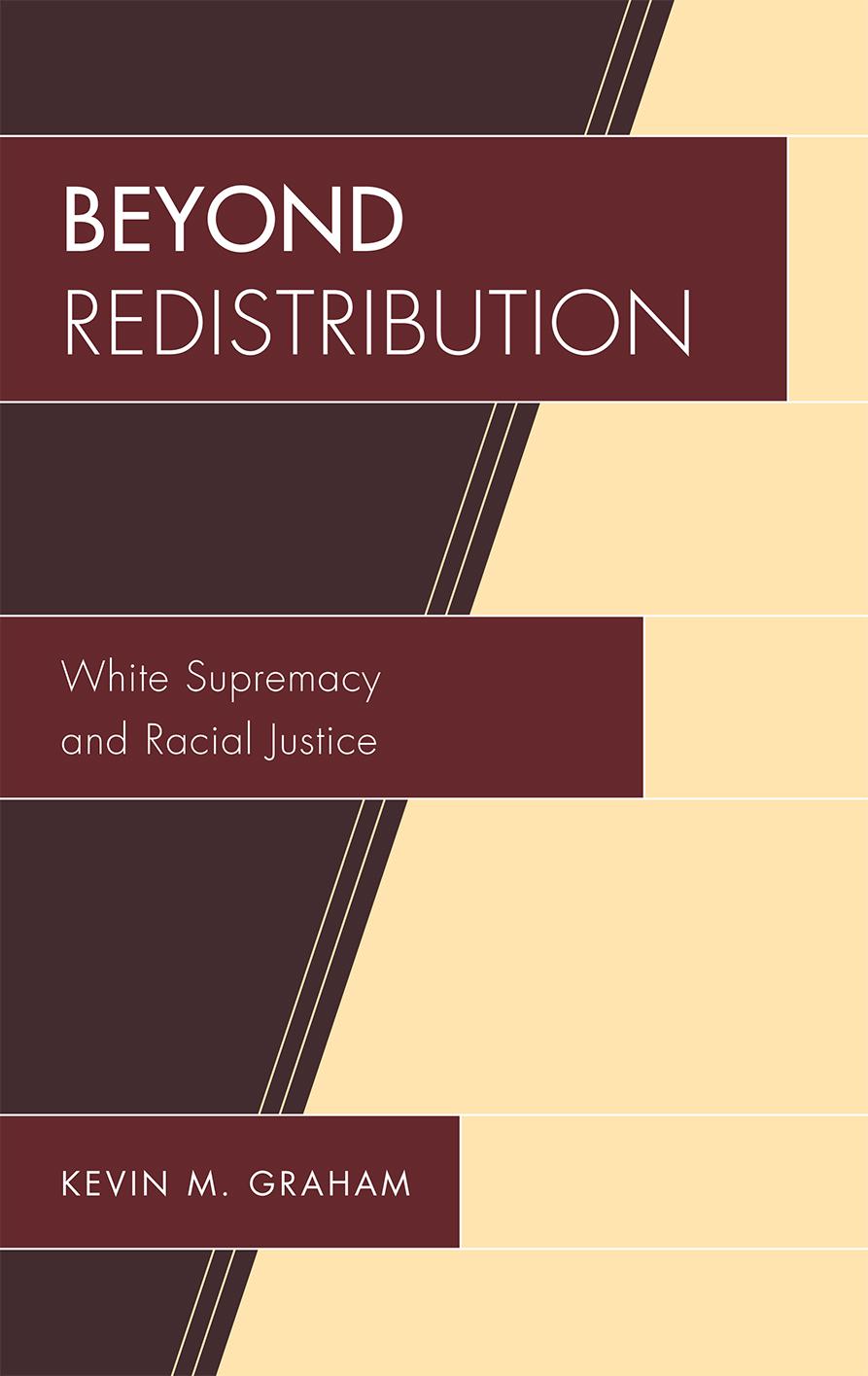
In Beyond Redistribution, Kevin M. Graham argues that political theories operating on a distributive understanding of social justice fail to address adequately certain forms of social injustice related to race. Graham argues that political philosophy could understand race-related injustice more fully by shifting its focus away from distributive inequities between whites and nonwhites and toward white supremacy, the unfair power relationships that allow whites to dominate and oppress nonwhites. Beyond Redistribution offers a careful, detailed critique of the positions of leading contemporary liberal political philosophers on race-related issues of social justice. Graham's analysis of the racial politics of police violence and public education in Omaha, Nebraska, vividly illustrates why the search for racial justice in the United States must move beyond redistribution.
In Beyond Redistribution, Kevin M. Graham argues that political theories operating on a distributive understanding of social justice fail to address adequately certain forms of social injustice related to race. Graham argues that political philosophy could understand race-related injustice more fully by shifting its focus away from distributive inequities between whites and nonwhites and toward white supremacy, the unfair power relationships that allow whites to dominate and oppress nonwhites. Beyond Redistribution offers a careful, detailed critique of the positions of leading contemporary liberal political philosophers on race-related issues of social justice. Graham's analysis of the racial politics of police violence and public education in Omaha, Nebraska, vividly illustrates why the search for racial justice in the United States must move beyond redistribution.
Pagina's: 146
Categorie: Filosofi
e-ISBN: 9780739130988
Verzendgewicht: 1.2 kg
Verzending binnen: 1-2 dagen
Betaal eenvoudig met kaart, Klarna, Apple Pay of Google Pay. Niet tevreden? Je hebt altijd 14 dagen bedenktijd. Lees meer in onze voorwaarden. Heb je vragen, mail ons dan via hello@memmo.org.
Memmo maakt studeren makkelijker – waar je ook bent ter wereld. Wij brengen je cursusboeken en slimme studietools samen op één plek: samenvattingen, quizzen, podcasts en flashcards. En Ted, je studievriend die antwoord geeft op alles wat je je afvraagt. Meer dan 50.000 studenten studeren hier al – gebouwd om je sneller te laten leren en minder stress te geven.