
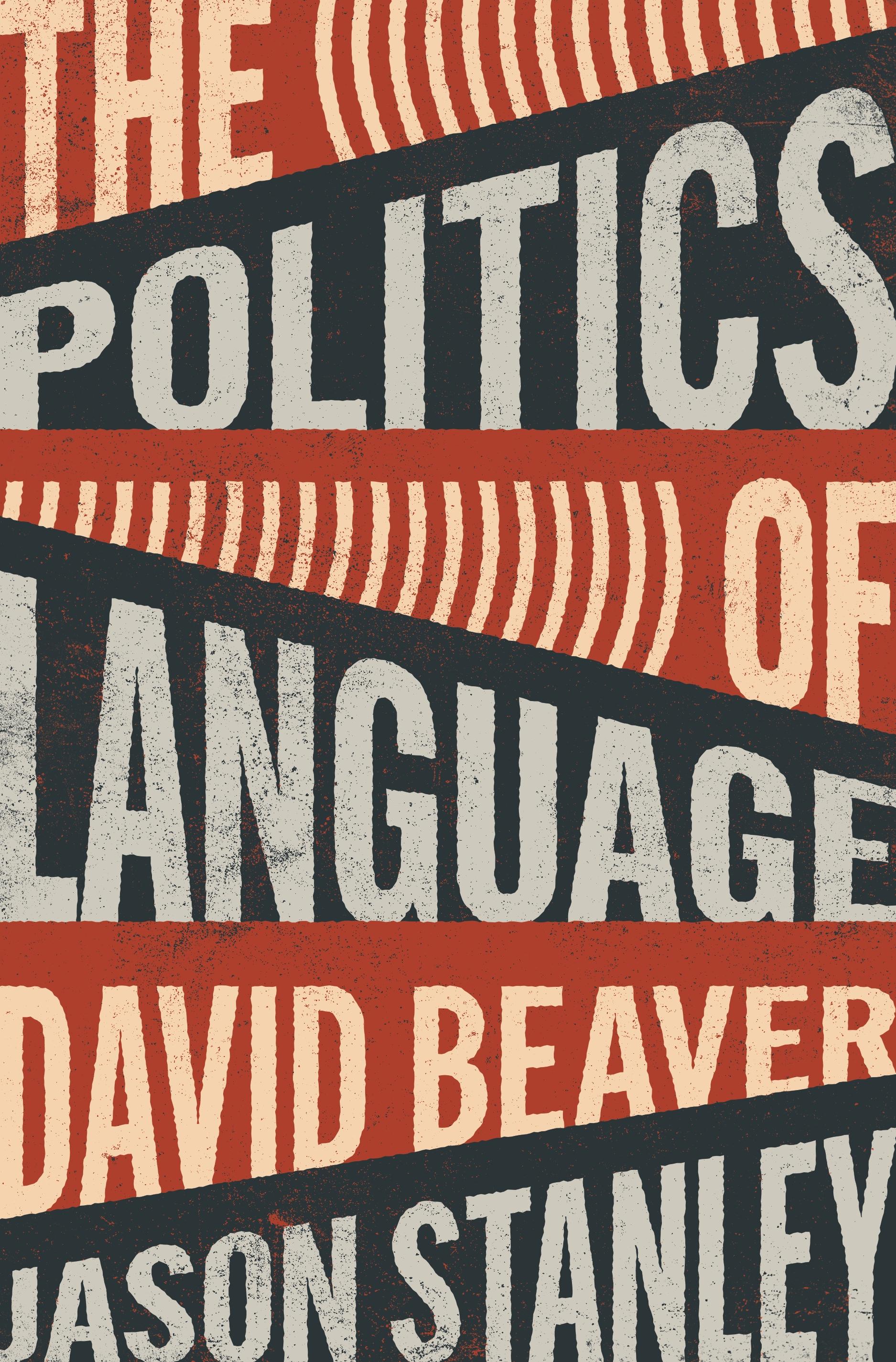
A provocative case for the inherently political nature of language
In The Politics of Language, David Beaver and Jason Stanley present a radical new approach to the theory of meaning, offering an account of communication in which political and social identity, affect, and shared practices play as important a role as information. This new view of language, they argue, has dramatic consequences for free speech, democracy, and a range of other areas in which speech plays a central role.
Drawing on a wealth of disciplines, The Politics of Language argues that the function of speech—whether in dialogue, larger group interactions, or mass communication—is to attune people to something, be it a shared reality, emotion, or identity. Reconceptualizing the central ideas of pragmatics and semantics, Beaver and Stanley apply their account to a range of phenomena that defy standard frameworks in linguistics and philosophy of language—from dog whistles and covert persuasion to echo chambers and genocidal speech. The authors use their framework to show that speech is inevitably political because all communication is imbued with the resonances of particular ideologies and their normative perspectives on reality.
At a time when democracy is under attack, authoritarianism is on the rise, and diversity and equality are being demanded, The Politics of Language offers a powerful new vision of the language of politics, ideology, and protest.
Betaal eenvoudig met kaart, Klarna, Apple Pay of Google Pay. Niet tevreden? Je hebt altijd 14 dagen bedenktijd. Lees meer in onze voorwaarden. Heb je vragen, mail ons dan via hello@memmo.org.
Memmo maakt studeren makkelijker – waar je ook bent ter wereld. Wij brengen je cursusboeken en slimme studietools samen op één plek: samenvattingen, quizzen, podcasts en flashcards. En Ted, je studievriend die antwoord geeft op alles wat je je afvraagt. Meer dan 50.000 studenten studeren hier al – gebouwd om je sneller te laten leren en minder stress te geven.