
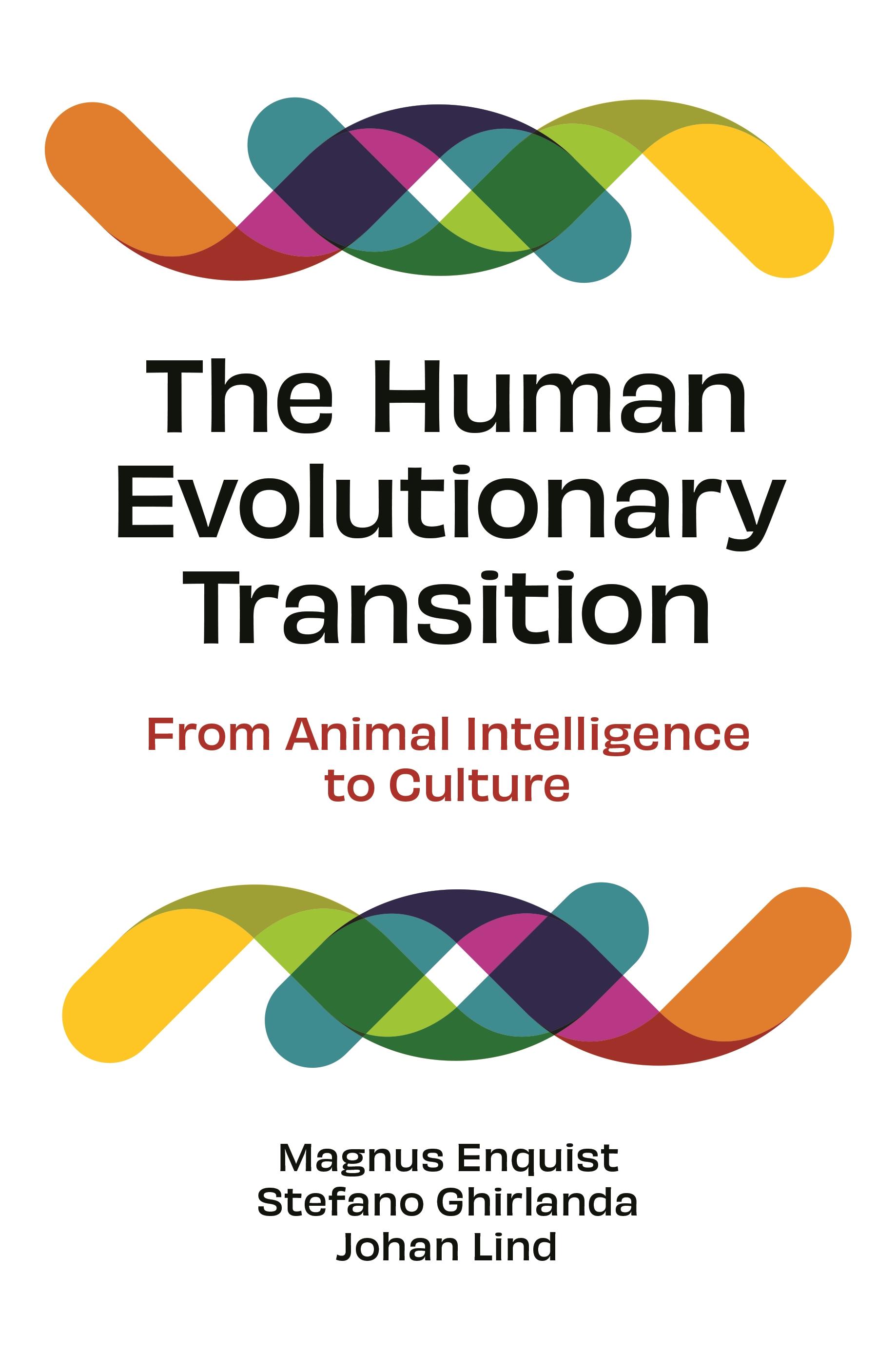
A major new theory of why human intelligence has not evolved in other species
The Human Evolutionary Transition offers a unified view of the evolution of intelligence, presenting a bold and provocative new account of how animals and humans have followed two powerful yet very different evolutionary paths to intelligence. This incisive book shows how animals rely on robust associative mechanisms that are guided by genetic information, which enable animals to sidestep complex problems in learning and decision making but ultimately limit what they can learn. Humans embody an evolutionary transition to a different kind of intelligence, one that relies on behavioral and mental flexibility. The book argues that flexibility is useless to most animals because they lack sufficient opportunities to learn new behavioral and mental skills. Humans find these opportunities in lengthy childhoods and through culture.
Blending the latest findings in fields ranging from psychology to evolutionary anthropology, The Human Evolutionary Transition draws on computational analyses of the problems organisms face, extensive overviews of empirical data on animal and human learning, and mathematical modeling and computer simulations of hypotheses about intelligence. This compelling book demonstrates that animal and human intelligence evolved from similar selection pressures while identifying bottlenecks in evolution that may explain why human-like intelligence is so rare.
Betaal eenvoudig met kaart, Klarna, Apple Pay of Google Pay. Niet tevreden? Je hebt altijd 14 dagen bedenktijd. Lees meer in onze voorwaarden. Heb je vragen, mail ons dan via hello@memmo.org.
Memmo maakt studeren makkelijker – waar je ook bent ter wereld. Wij brengen je cursusboeken en slimme studietools samen op één plek: samenvattingen, quizzen, podcasts en flashcards. En Ted, je studievriend die antwoord geeft op alles wat je je afvraagt. Meer dan 50.000 studenten studeren hier al – gebouwd om je sneller te laten leren en minder stress te geven.