
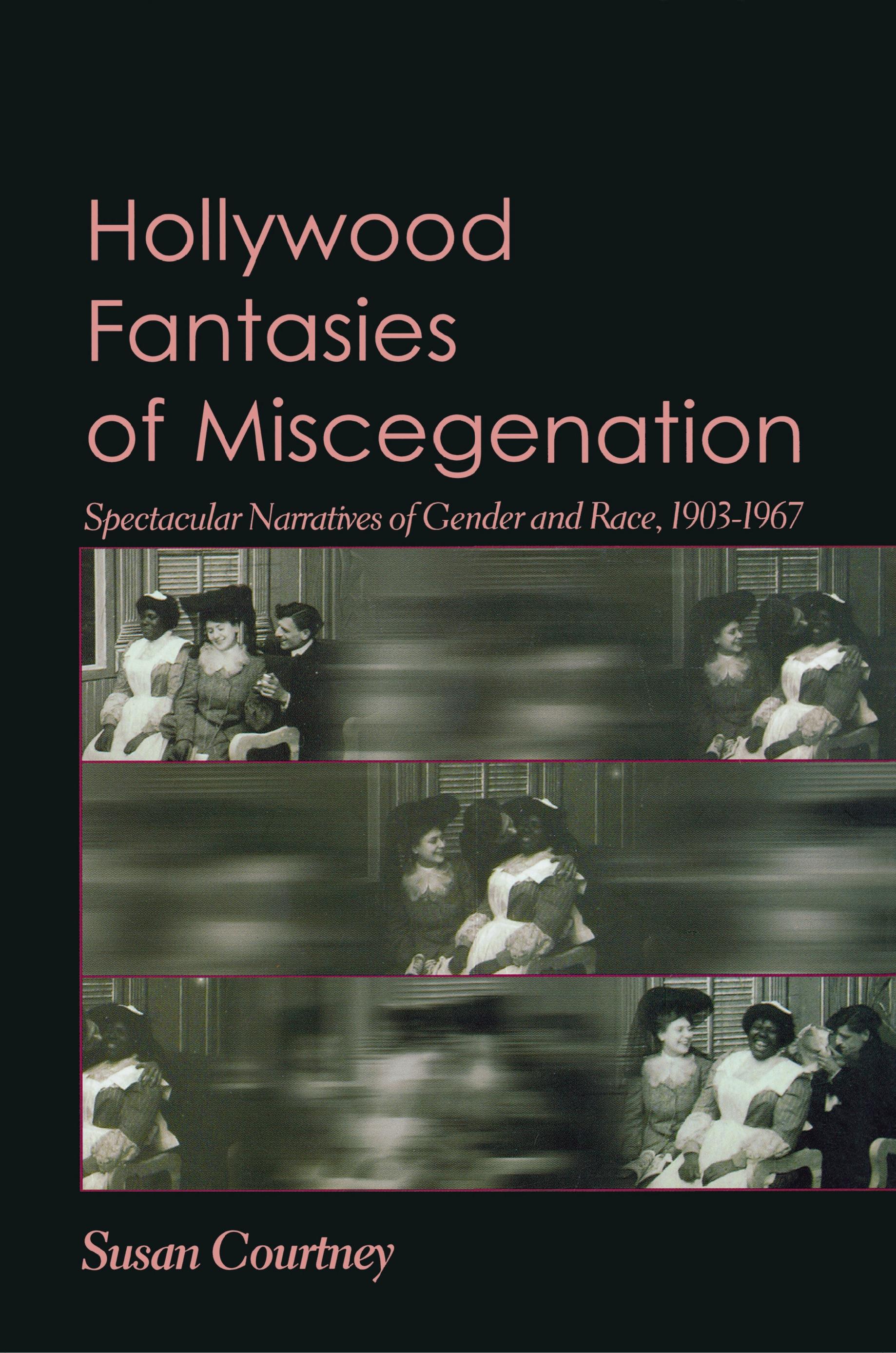
Hollywood Fantasies of Miscegenation analyzes white fantasies of interracial desire in the history of popular American film. From the first interracial screen kiss of 1903, through the Production Code's nearly thirty-year ban on depictions of "miscegenation," to the contemplation of mixed marriage in Guess Who's Coming to Dinner (1967), this book demonstrates a long, popular, yet underexamined record of cultural fantasy at the movies.
With ambitious new readings of well-known films like D.W. Griffith's 1915 epic The Birth of a Nation and of key forgotten films and censorship documents, Susan Courtney argues that dominant fantasies of miscegenation have had a profound impact on the form and content of American cinema.
What does it mean, Courtney asks, that the image of the black rapist became a virtual cliché, while the sexual exploitation of black women by white men under slavery was perpetually repressed? What has this popular film legacy invited spectators to remember and forget? How has it shaped our conceptions of, and relationships to, race and gender?
Richly illustrated with more than 140 images, Hollywood Fantasies of Miscegenation carefully attends to cinematic detail, revising theories of identity and spectatorship as it expands critical histories of race, sex, and film. Courtney's new research on the Production Code's miscegenation clause also makes an important contribution, inviting us to consider how that clause was routinely interpreted and applied, and with what effects.
Betaal eenvoudig met kaart, Klarna, Apple Pay of Google Pay. Niet tevreden? Je hebt altijd 14 dagen bedenktijd. Lees meer in onze voorwaarden. Heb je vragen, mail ons dan via hello@memmo.org.
Memmo maakt studeren makkelijker – waar je ook bent ter wereld. Wij brengen je cursusboeken en slimme studietools samen op één plek: samenvattingen, quizzen, podcasts en flashcards. En Ted, je studievriend die antwoord geeft op alles wat je je afvraagt. Meer dan 50.000 studenten studeren hier al – gebouwd om je sneller te laten leren en minder stress te geven.