
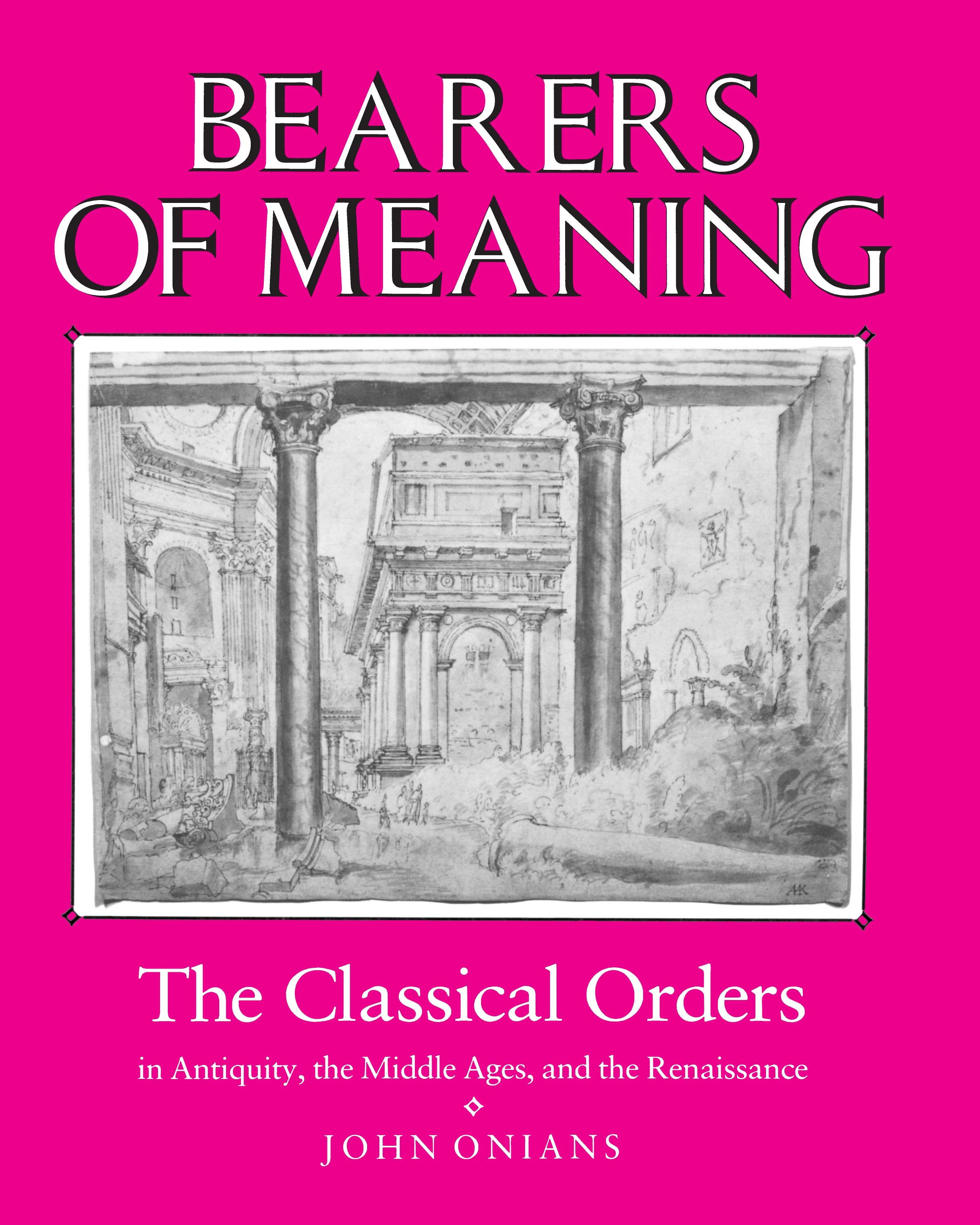
For all those interested in the relationship between ideas and the built environment, John Onians provides a lively illustrated account of the range of meanings that Western culture has assigned to the Classical orders. Onians shows that during the 2,000 years from their first appearance in ancient Greece through their codification in Renaissance Italy, the orders--the columns and capitals known as Doric, Ionic, Corinthian, Tuscan, and Composite--were made to serve expressive purposes, engaging the viewer in a continuing visual dialogue.
Betaal eenvoudig met kaart, Klarna, Apple Pay of Google Pay. Niet tevreden? Je hebt altijd 14 dagen bedenktijd. Lees meer in onze voorwaarden. Heb je vragen, mail ons dan via hello@memmo.org.
Memmo maakt studeren makkelijker – waar je ook bent ter wereld. Wij brengen je cursusboeken en slimme studietools samen op één plek: samenvattingen, quizzen, podcasts en flashcards. En Ted, je studievriend die antwoord geeft op alles wat je je afvraagt. Meer dan 50.000 studenten studeren hier al – gebouwd om je sneller te laten leren en minder stress te geven.