
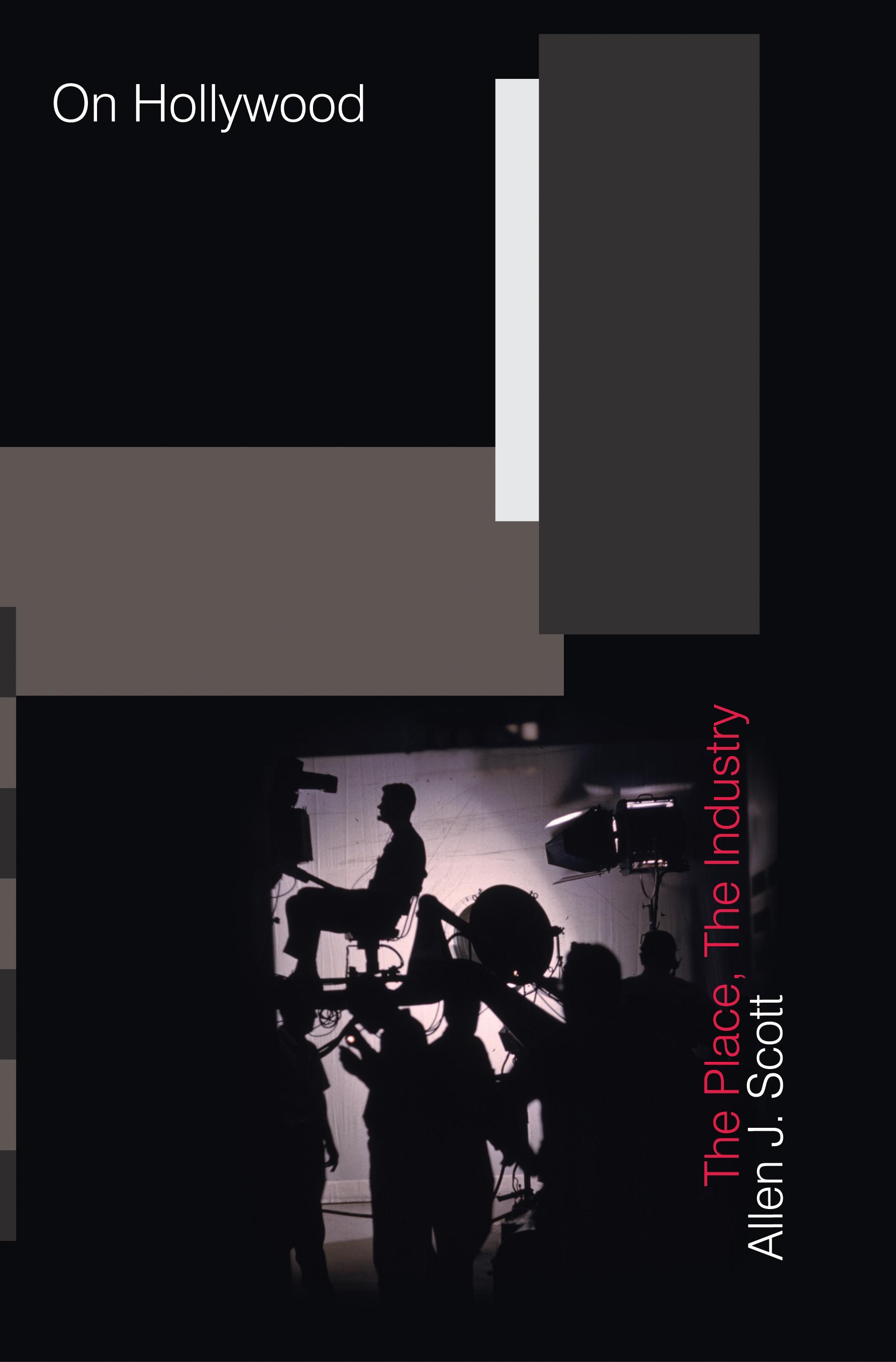
Why is the U.S. motion picture industry concentrated in Hollywood and why does it remain there in the age of globalization? Allen Scott uses the tools of economic geography to explore these questions and to provide a number of highly original answers. The conceptual roots of his analysis go back to Alfred Marshall's theory of industrial districts and pick up on modern ideas about business clusters as sites of efficient and innovative production.
On Hollywood builds on this work by adding major new empirical elements. By examining the history of motion-picture production from the early twentieth century to the present through this analytic lens, Scott is able to show why the industry (which was initially focused on New York) had shifted the majority of its production to Southern California by 1919. He also addresses in detail the bases of Hollywood's long-standing creative energies and competitive advantages. At the same time, the book explores the steady globalization of Hollywood's market reach as well as the cultural and political dilemmas posed by this phenomenon.
On Hollywood will appeal not only to general readers with an interest in the motion-picture industry, but also to economic geographers, business professionals, regional development practitioners, and cultural theorists as well.
Betaal eenvoudig met kaart, Klarna, Apple Pay of Google Pay. Niet tevreden? Je hebt altijd 14 dagen bedenktijd. Lees meer in onze voorwaarden. Heb je vragen, mail ons dan via hello@memmo.org.
Memmo maakt studeren makkelijker – waar je ook bent ter wereld. Wij brengen je cursusboeken en slimme studietools samen op één plek: samenvattingen, quizzen, podcasts en flashcards. En Ted, je studievriend die antwoord geeft op alles wat je je afvraagt. Meer dan 50.000 studenten studeren hier al – gebouwd om je sneller te laten leren en minder stress te geven.