
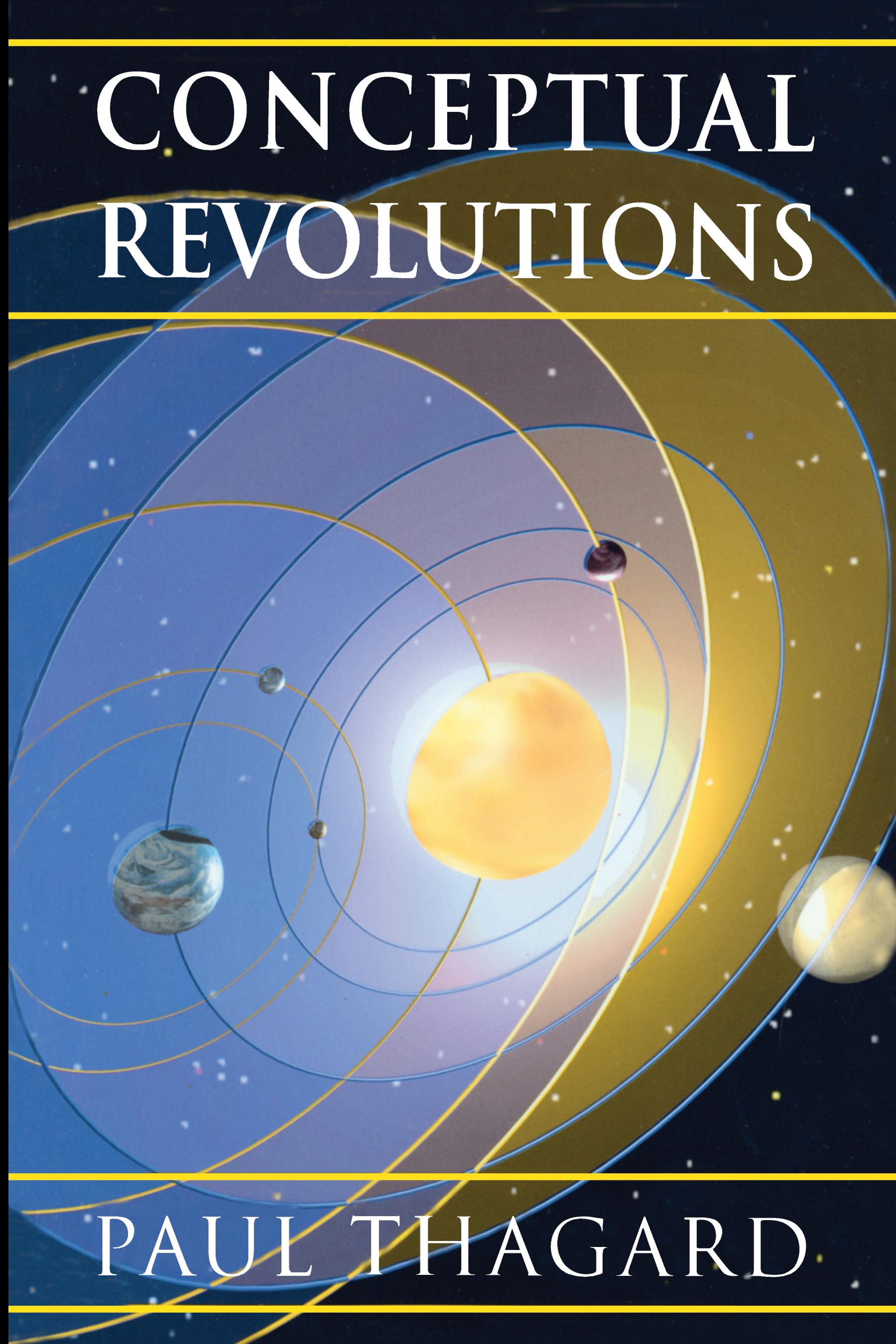
In this path-breaking work, Paul Thagard draws on the history and philosophy of science, cognitive psychology, and the field of artificial intelligence to develop a theory of conceptual change capable of accounting for all major scientific revolutions. The history of science contains dramatic episodes of revolutionary change in which whole systems of concepts have been replaced by new systems. Thagard provides a new and comprehensive perspective on the transformation of scientific conceptual systems.
Thagard examines the Copernican and the Darwinian revolutions and the emergence of Newton's mechanics, Lavoisier's oxygen theory, Einstein's theory of relativity, quantum theory, and the geological theory of plate tectonics. He discusses the psychological mechanisms by which new concepts and links between them are formed, and advances a computational theory of explanatory coherence to show how new theories can be judged to be superior to previous ones.
Betaal eenvoudig met kaart, Klarna, Apple Pay of Google Pay. Niet tevreden? Je hebt altijd 14 dagen bedenktijd. Lees meer in onze voorwaarden. Heb je vragen, mail ons dan via hello@memmo.org.
Memmo maakt studeren makkelijker – waar je ook bent ter wereld. Wij brengen je cursusboeken en slimme studietools samen op één plek: samenvattingen, quizzen, podcasts en flashcards. En Ted, je studievriend die antwoord geeft op alles wat je je afvraagt. Meer dan 50.000 studenten studeren hier al – gebouwd om je sneller te laten leren en minder stress te geven.