
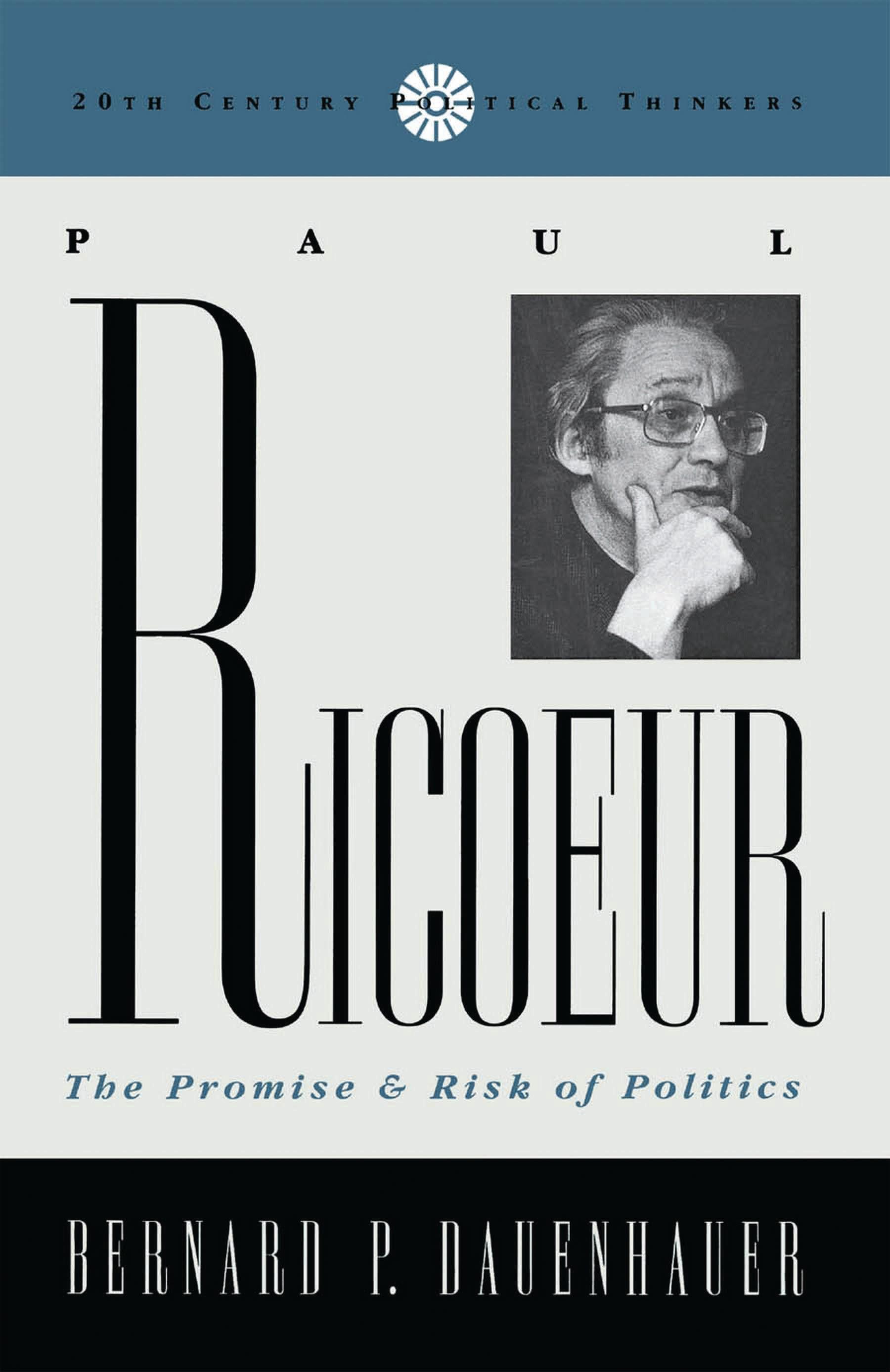
Paul Ricoeur, with Rawls, Walzer, and Habermas as some of his main interlocutors, has developed a substantial and distinctive body of political thought. On the one hand, it articulates a rich conception of the paradoxical character of the domain of politics. On the other, it provides a fresh approach to such major topics as the relationship among politics, economics, and ethics and between concern for universal human rights and respect for cultural plurality. His work, rooted as it is in Aristotle, Kant, and Hegel, also provides resources for a fruitful rethinking of the issues at stake in the liberal-communitarian debate.
Betaal eenvoudig met kaart, Klarna, Apple Pay of Google Pay. Niet tevreden? Je hebt altijd 14 dagen bedenktijd. Lees meer in onze voorwaarden. Heb je vragen, mail ons dan via hello@memmo.org.
Memmo maakt studeren makkelijker – waar je ook bent ter wereld. Wij brengen je cursusboeken en slimme studietools samen op één plek: samenvattingen, quizzen, podcasts en flashcards. En Ted, je studievriend die antwoord geeft op alles wat je je afvraagt. Meer dan 50.000 studenten studeren hier al – gebouwd om je sneller te laten leren en minder stress te geven.