
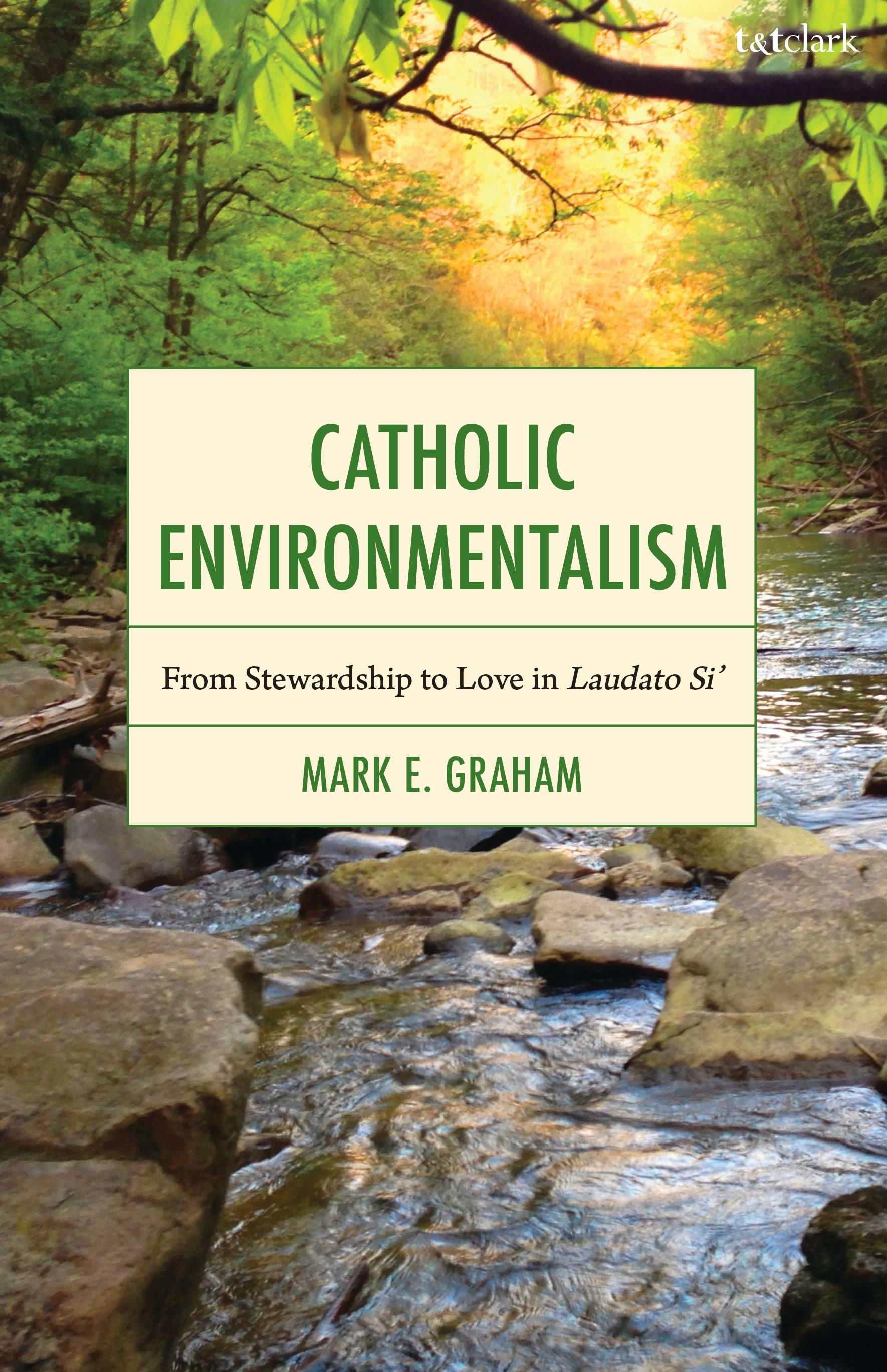
Contemporary Catholic environmentalism is at a crossroads, both theologically and politically. While the first half of the 20th century saw only fleeting references to environmental concerns in papal encyclicals, Pope John Paul II's 1990 New Year's Day address, later titled The Ecological Crisis, marked a pivotal shift. His stark warnings about the planet's mounting ecological challenges galvanized the Catholic theological community, prompting numerous regional bishops' statements that highlighted pressing local environmental issues. By the mid-1990s, Catholic environmentalism had evolved into a distinct theological discourse and a burgeoning political movement, attracting support from both church hierarchy and lay Catholics worldwide.
Despite Pope John Paul II's efforts to root Catholic environmental thought in the stewardship paradigm, his success in securing theological consensus was limited. While Pope Benedict XVI endorsed this model, many Catholic theologians and scholars voiced significant reservations. Some critiqued its vague theological underpinnings, others lamented its inherent anthropocentrism, and still others sought a broader scriptural foundation for environmental ethics. These critiques signaled a growing desire for an alternative framework.
With the publication of Laudato Si in 2015, Pope Francis ushered in a new era of Catholic environmentalism. His encyclical reaffirmed the theological and moral urgency of ecological issues while challenging humanity's unchecked technological optimism and deep-seated anthropocentrism. At the heart of his vision is the idea that all creation manifests divine love, calling Catholics to embrace a theocentric environmental ethic. This book builds upon Laudato Si, offering a fresh theological framework that moves beyond stewardship toward a more expansive, love-centered approach to creation care.
Despite Pope John Paul II's efforts to root Catholic environmental thought in the stewardship paradigm, his success in securing theological consensus was limited. While Pope Benedict XVI endorsed this model, many Catholic theologians and scholars voiced significant reservations. Some critiqued its vague theological underpinnings, others lamented its inherent anthropocentrism, and still others sought a broader scriptural foundation for environmental ethics. These critiques signaled a growing desire for an alternative framework.
With the publication of Laudato Si in 2015, Pope Francis ushered in a new era of Catholic environmentalism. His encyclical reaffirmed the theological and moral urgency of ecological issues while challenging humanity's unchecked technological optimism and deep-seated anthropocentrism. At the heart of his vision is the idea that all creation manifests divine love, calling Catholics to embrace a theocentric environmental ethic. This book builds upon Laudato Si, offering a fresh theological framework that moves beyond stewardship toward a more expansive, love-centered approach to creation care.
Pagina's: 232
Categorie: Religion & Teologi
e-ISBN: 9780567726001
Verzendgewicht: 1.2 kg
Verzending binnen: 1-2 dagen
Betaal eenvoudig met kaart, Klarna, Apple Pay of Google Pay. Niet tevreden? Je hebt altijd 14 dagen bedenktijd. Lees meer in onze voorwaarden. Heb je vragen, mail ons dan via hello@memmo.org.
Memmo maakt studeren makkelijker – waar je ook bent ter wereld. Wij brengen je cursusboeken en slimme studietools samen op één plek: samenvattingen, quizzen, podcasts en flashcards. En Ted, je studievriend die antwoord geeft op alles wat je je afvraagt. Meer dan 50.000 studenten studeren hier al – gebouwd om je sneller te laten leren en minder stress te geven.