
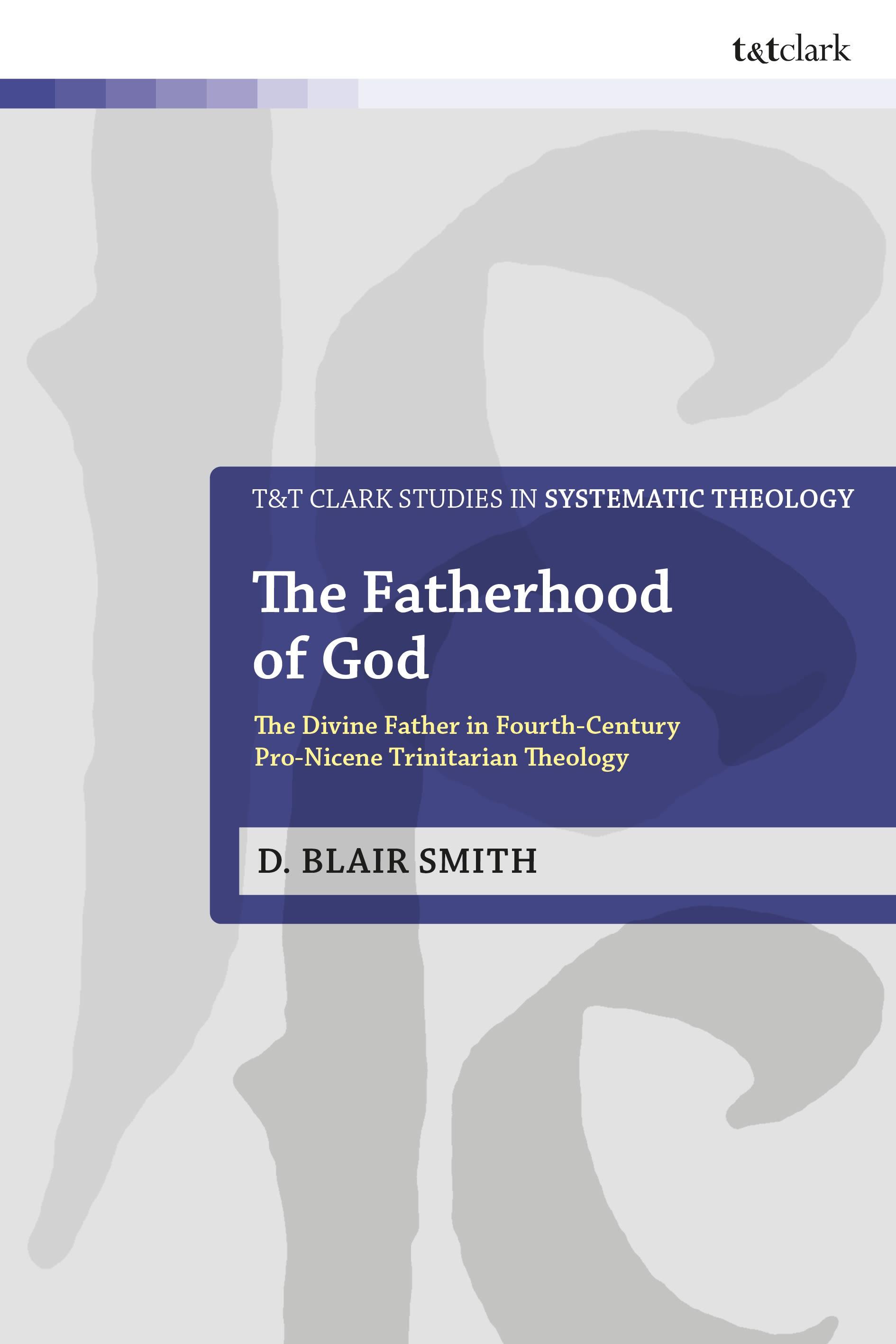
This work explores what the formative writers of the fourth century said about divine fatherhood in order to address a key subject in Trinitarian debate in modern theology.
D. Blair Smith examines the Father within classical Trinitarian thought. The question of the fatherhood of God occupied several 20th – 21st century theologians who sought to retrieve fourth-century Trinitarian developments in order to inform their systematic concerns. Smith explores the foundational period and engages with a number of the formative 'pro-Nicene' voices of Athanasius of Alexandria, Hilary of Poitiers, Gregory of Nazianzus, and Basil of Caesarea. This book then examines the crucial theological space given to eternal generation of the Son, divine simplicity, the coinherence of the persons, inseparability of operations, and even the Holy Spirit in order to understand the distinctiveness of the Father within the Trinity.
Smith argues Basil represents the most integrative pro-Nicene account of divine fatherhood, providing sharpness to the mature pro-Nicene Trinitarian categories emerging within this era and critically applies insights gleaned from the pro-Nicene development to questions raised by modern readings of the 'first' person of the Trinity as well as identify trailhead for further inquiry on the fatherhood of God within contemporary Trinitarian thought.
D. Blair Smith examines the Father within classical Trinitarian thought. The question of the fatherhood of God occupied several 20th – 21st century theologians who sought to retrieve fourth-century Trinitarian developments in order to inform their systematic concerns. Smith explores the foundational period and engages with a number of the formative 'pro-Nicene' voices of Athanasius of Alexandria, Hilary of Poitiers, Gregory of Nazianzus, and Basil of Caesarea. This book then examines the crucial theological space given to eternal generation of the Son, divine simplicity, the coinherence of the persons, inseparability of operations, and even the Holy Spirit in order to understand the distinctiveness of the Father within the Trinity.
Smith argues Basil represents the most integrative pro-Nicene account of divine fatherhood, providing sharpness to the mature pro-Nicene Trinitarian categories emerging within this era and critically applies insights gleaned from the pro-Nicene development to questions raised by modern readings of the 'first' person of the Trinity as well as identify trailhead for further inquiry on the fatherhood of God within contemporary Trinitarian thought.
Betaal eenvoudig met kaart, Klarna, Apple Pay of Google Pay. Niet tevreden? Je hebt altijd 14 dagen bedenktijd. Lees meer in onze voorwaarden. Heb je vragen, mail ons dan via hello@memmo.org.
Memmo maakt studeren makkelijker – waar je ook bent ter wereld. Wij brengen je cursusboeken en slimme studietools samen op één plek: samenvattingen, quizzen, podcasts en flashcards. En Ted, je studievriend die antwoord geeft op alles wat je je afvraagt. Meer dan 50.000 studenten studeren hier al – gebouwd om je sneller te laten leren en minder stress te geven.