
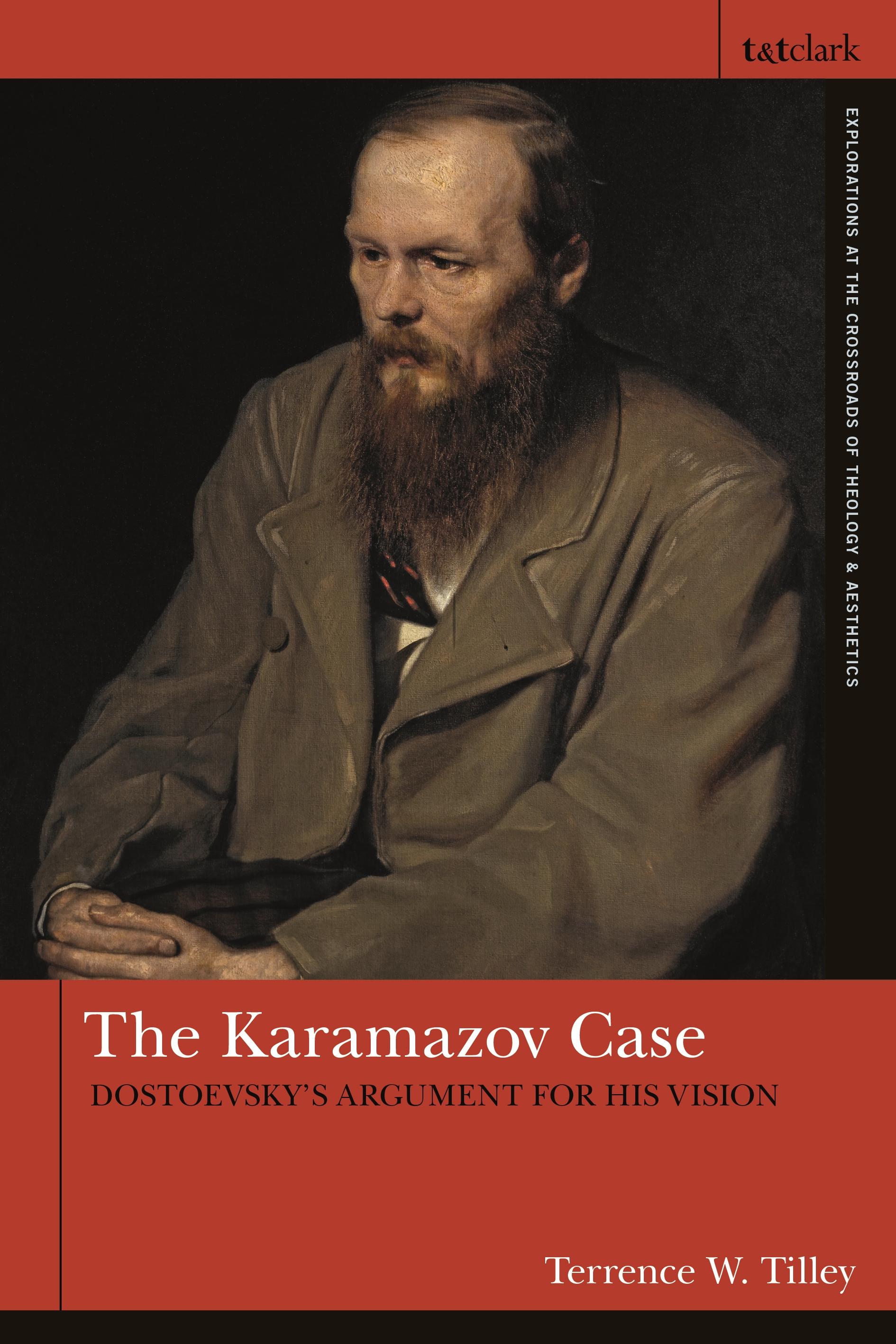
This is a new interpretation of Dostoevsky's novel The Brothers Karamazov that scrutinizes it as a performative event (the “polyphony” of the novel) revealing its religious, philosophical, and social meanings through the interplay of mentalités or worldviews that constitute an aesthetic whole. This way of discerning the novel's social vision of sobornost' (a unity between harmony and freedom), its vision of hope, and its more subtle sacramental presuppositions, raises Tilley's interpretation beyond the standard “theology and literature” treatments of the novel and interpretations that treat the novel as providing solutions to philosophical problems.
Tilley develops Bakhtin's thoughtful analysis of the polyphony of the novel using communication theory and readers/hearer response criticism, and by using Bakhtin's operatic image of polyphony to show the error of taking "faith vs. reason", argues that at the end of the novel, the characters learned to carry on, in a quiet shared commitment to memory and hope.
Tilley develops Bakhtin's thoughtful analysis of the polyphony of the novel using communication theory and readers/hearer response criticism, and by using Bakhtin's operatic image of polyphony to show the error of taking "faith vs. reason", argues that at the end of the novel, the characters learned to carry on, in a quiet shared commitment to memory and hope.
Betaal eenvoudig met kaart, Klarna, Apple Pay of Google Pay. Niet tevreden? Je hebt altijd 14 dagen bedenktijd. Lees meer in onze voorwaarden. Heb je vragen, mail ons dan via hello@memmo.org.
Memmo maakt studeren makkelijker – waar je ook bent ter wereld. Wij brengen je cursusboeken en slimme studietools samen op één plek: samenvattingen, quizzen, podcasts en flashcards. En Ted, je studievriend die antwoord geeft op alles wat je je afvraagt. Meer dan 50.000 studenten studeren hier al – gebouwd om je sneller te laten leren en minder stress te geven.