
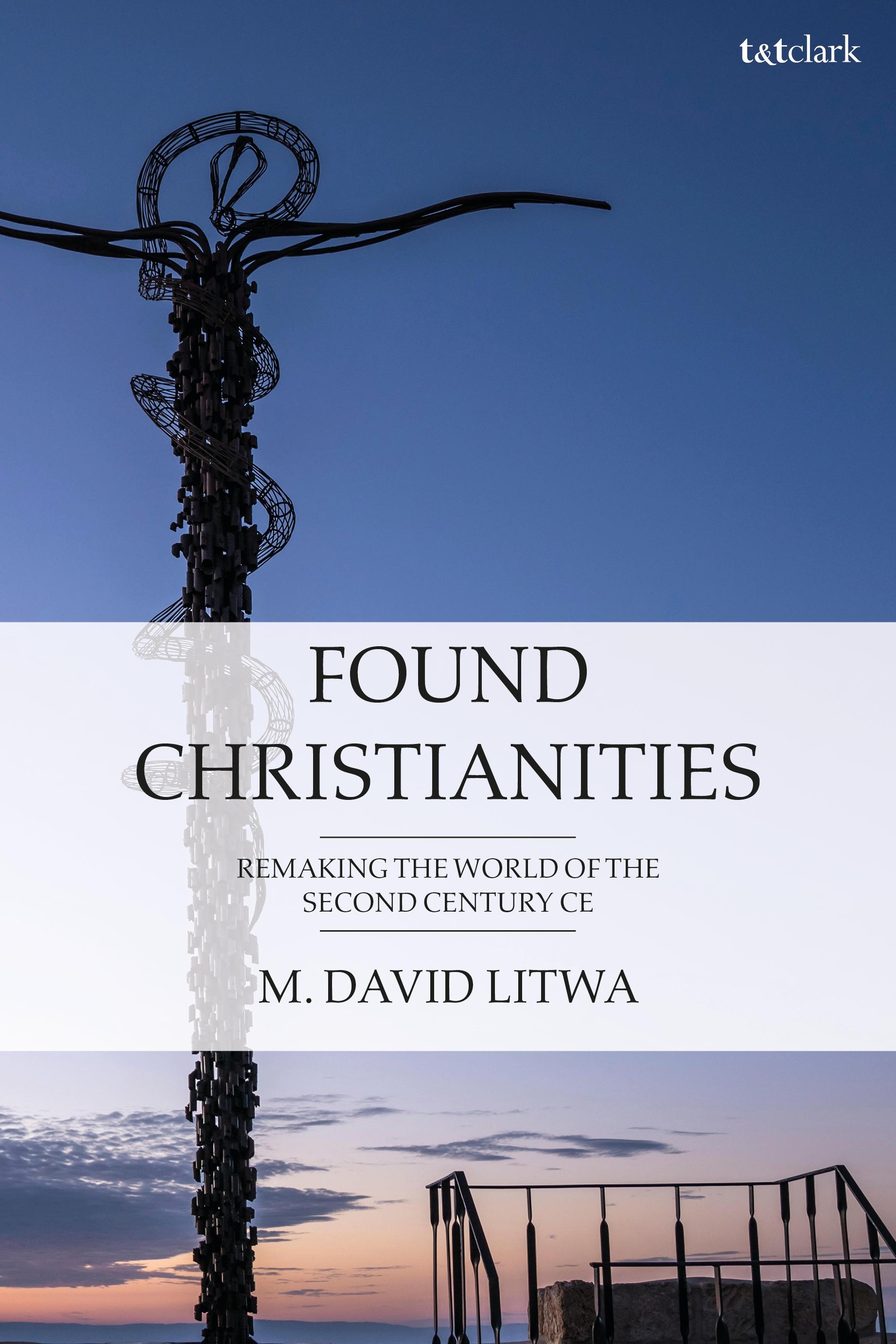
M. David Litwa tells the stories of the early Christians whose religious identity was either challenged or outright denied. In the second century many different groups and sects claimed to be the only Orthodox or authentic version of Christianity, and Litwa shows how those groups and figures on the side of developing Christian Orthodoxy often dismissed other versions of Christianity by refusing to call them “Christian”. However, the writings and treatises against these groups contain fascinating hints of what they believed, and why they called themselves Christian.
Litwa outlines these different groups and the controversies that surrounded them, presenting readers with an overview of the vast tapestry of beliefs that made up second century Christianity. By moving beyond notions of “gnostic”, “heretical” and “orthodox” Litwa allows these “lost Christianities” to speak for themselves. He also questions the notion of some Christian identities “surviving” or “perishing”, arguing that all second century "Catholic" groups look very different to any form of modern Roman Catholicism.
Litwa shows that countless discourses, ideas, and practices are continually recycled and adapted throughout time in the building of Christian identities, and indeed that the influence of so-called “lost” Christianities can still be felt today.
Litwa outlines these different groups and the controversies that surrounded them, presenting readers with an overview of the vast tapestry of beliefs that made up second century Christianity. By moving beyond notions of “gnostic”, “heretical” and “orthodox” Litwa allows these “lost Christianities” to speak for themselves. He also questions the notion of some Christian identities “surviving” or “perishing”, arguing that all second century "Catholic" groups look very different to any form of modern Roman Catholicism.
Litwa shows that countless discourses, ideas, and practices are continually recycled and adapted throughout time in the building of Christian identities, and indeed that the influence of so-called “lost” Christianities can still be felt today.
Betaal eenvoudig met kaart, Klarna, Apple Pay of Google Pay. Niet tevreden? Je hebt altijd 14 dagen bedenktijd. Lees meer in onze voorwaarden. Heb je vragen, mail ons dan via hello@memmo.org.
Memmo maakt studeren makkelijker – waar je ook bent ter wereld. Wij brengen je cursusboeken en slimme studietools samen op één plek: samenvattingen, quizzen, podcasts en flashcards. En Ted, je studievriend die antwoord geeft op alles wat je je afvraagt. Meer dan 50.000 studenten studeren hier al – gebouwd om je sneller te laten leren en minder stress te geven.