
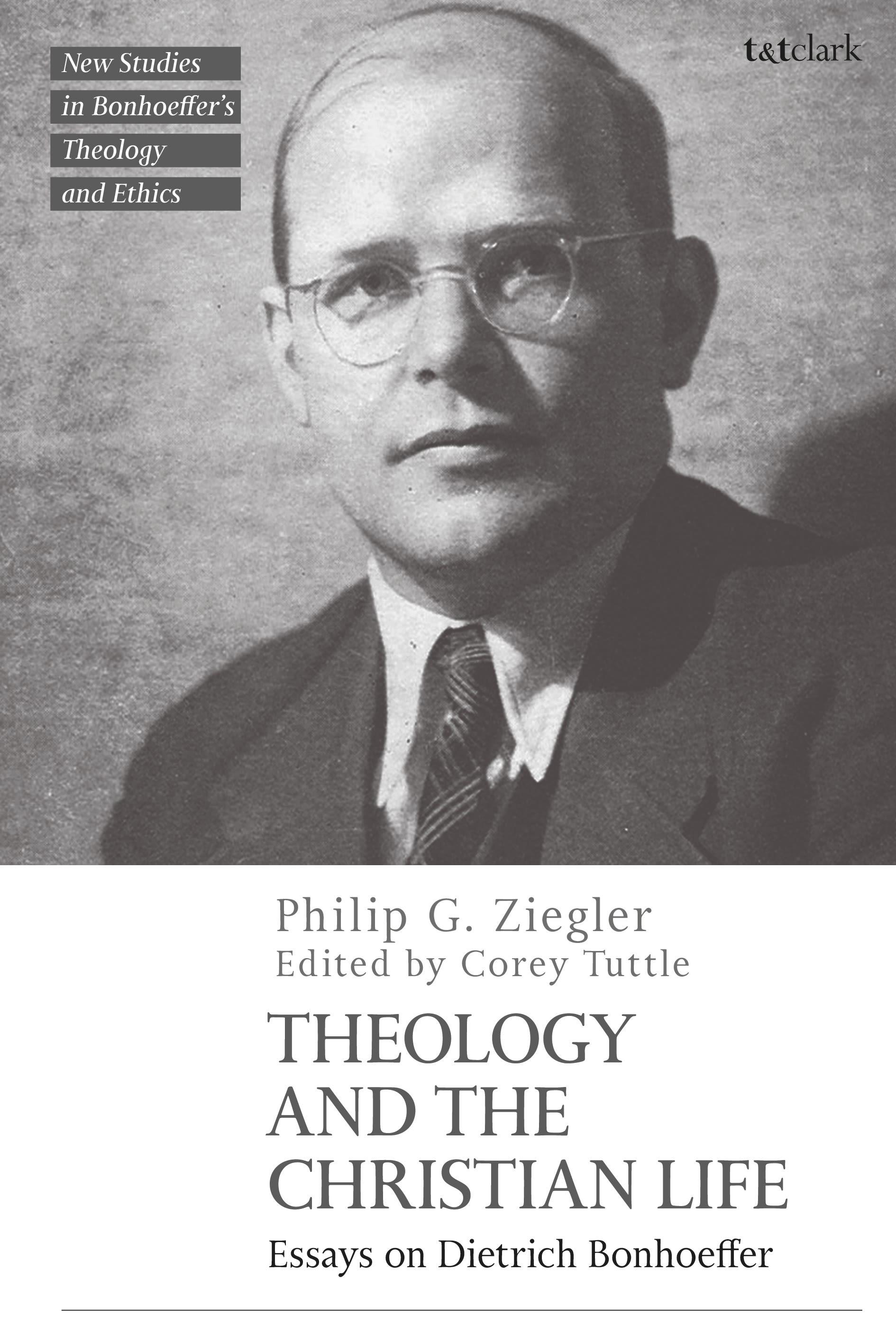
Offering a series of studies on key aspects of the Bonhoeffer's theology, this book emphasizes the biblical texture and dogmatic depth of his work and its continuing legacy.
The first part of the volume explores Bonhoeffer's work in Christology, Theology proper, and related doctrines. Ziegler argues that Bonhoeffer's fundamental orientation in theology and ethics is best captured and expressed when he is understood as theology of the Word of God. He offers an exposition of the commonly neglected Part II of Nachfolge, in its treatment of Pauline New Testament texts, as well as Bonhoeffer's promeity compared with the work of Kierkegaard. Ziegler examines Bonhoeffer's extended essay and biblical study on the theme of temptation, and concentrates on the role of eschatological concepts and themes in the Letters and Papers from Prison.
In its second part, the book explores elements of Bonhoeffer's ethical and political thinking, emphasizing throughout the deeply dogmatic substance and orientation of his work in these fields. This part offers explicit discussion of Bonhoeffer's ethics and his interpretation of soteriology, his reading and understanding of the Decalogue for Christian life and ethics, his views of the political service of the church and of Christians; and sustained reading and reflection on one of Bonhoeffer's final prison poems, Voices in the Night.
The first part of the volume explores Bonhoeffer's work in Christology, Theology proper, and related doctrines. Ziegler argues that Bonhoeffer's fundamental orientation in theology and ethics is best captured and expressed when he is understood as theology of the Word of God. He offers an exposition of the commonly neglected Part II of Nachfolge, in its treatment of Pauline New Testament texts, as well as Bonhoeffer's promeity compared with the work of Kierkegaard. Ziegler examines Bonhoeffer's extended essay and biblical study on the theme of temptation, and concentrates on the role of eschatological concepts and themes in the Letters and Papers from Prison.
In its second part, the book explores elements of Bonhoeffer's ethical and political thinking, emphasizing throughout the deeply dogmatic substance and orientation of his work in these fields. This part offers explicit discussion of Bonhoeffer's ethics and his interpretation of soteriology, his reading and understanding of the Decalogue for Christian life and ethics, his views of the political service of the church and of Christians; and sustained reading and reflection on one of Bonhoeffer's final prison poems, Voices in the Night.
Betaal eenvoudig met kaart, Klarna, Apple Pay of Google Pay. Niet tevreden? Je hebt altijd 14 dagen bedenktijd. Lees meer in onze voorwaarden. Heb je vragen, mail ons dan via hello@memmo.org.
Memmo maakt studeren makkelijker – waar je ook bent ter wereld. Wij brengen je cursusboeken en slimme studietools samen op één plek: samenvattingen, quizzen, podcasts en flashcards. En Ted, je studievriend die antwoord geeft op alles wat je je afvraagt. Meer dan 50.000 studenten studeren hier al – gebouwd om je sneller te laten leren en minder stress te geven.